


Behind the Icons: The Story of Three Classic Handbags
Some bags are more than just an accessory. With timeless design, fine craftsmanship and fascinating stories, they have become some of the fashion world’s most coveted icons. We look back at the stories behind three of the world’s best-known handbags – the Louis Vuitton Speedy, Chanel Classic Flap and Hermès Birkin.
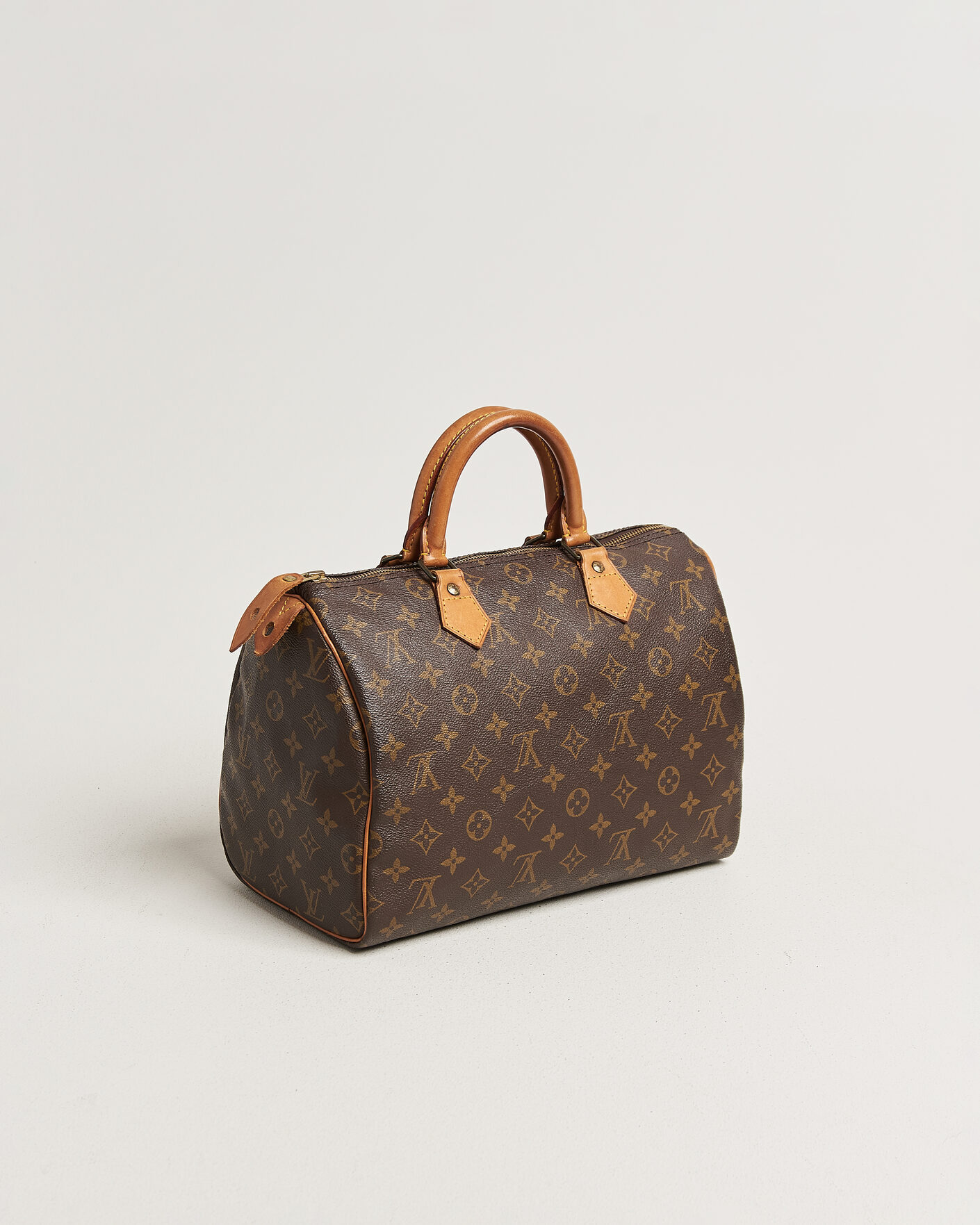
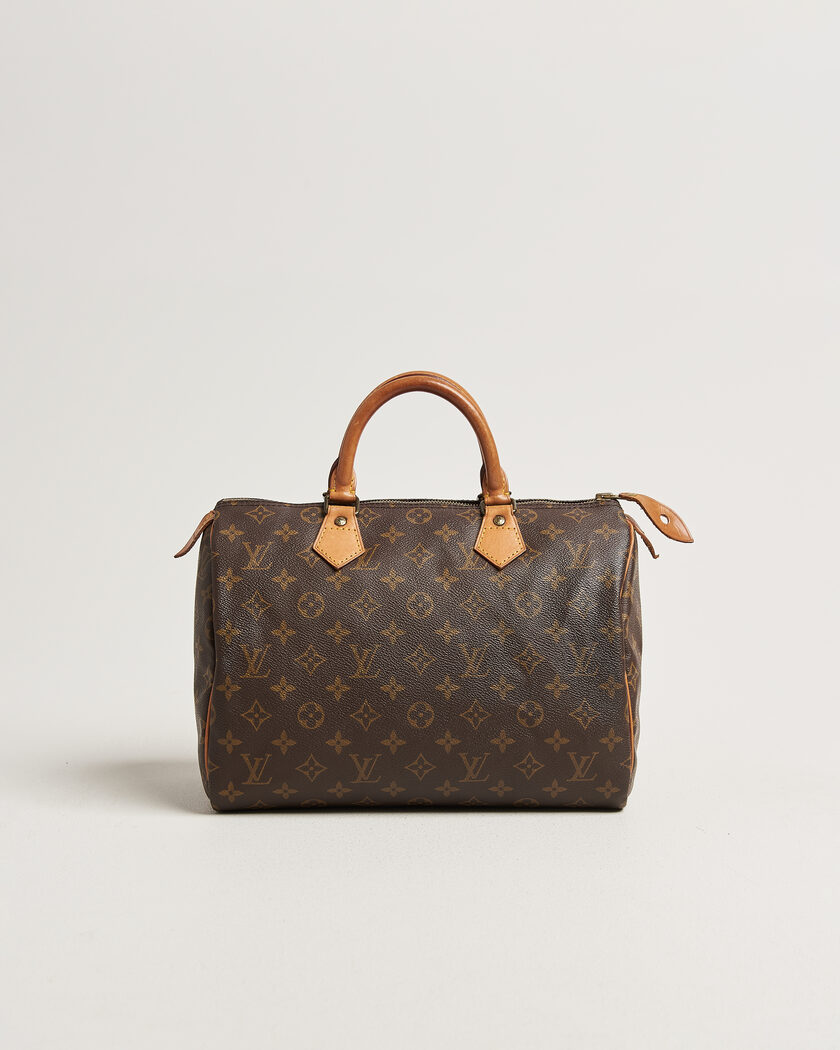
Louis Vuitton Speedy – from travel bag to fashion icon
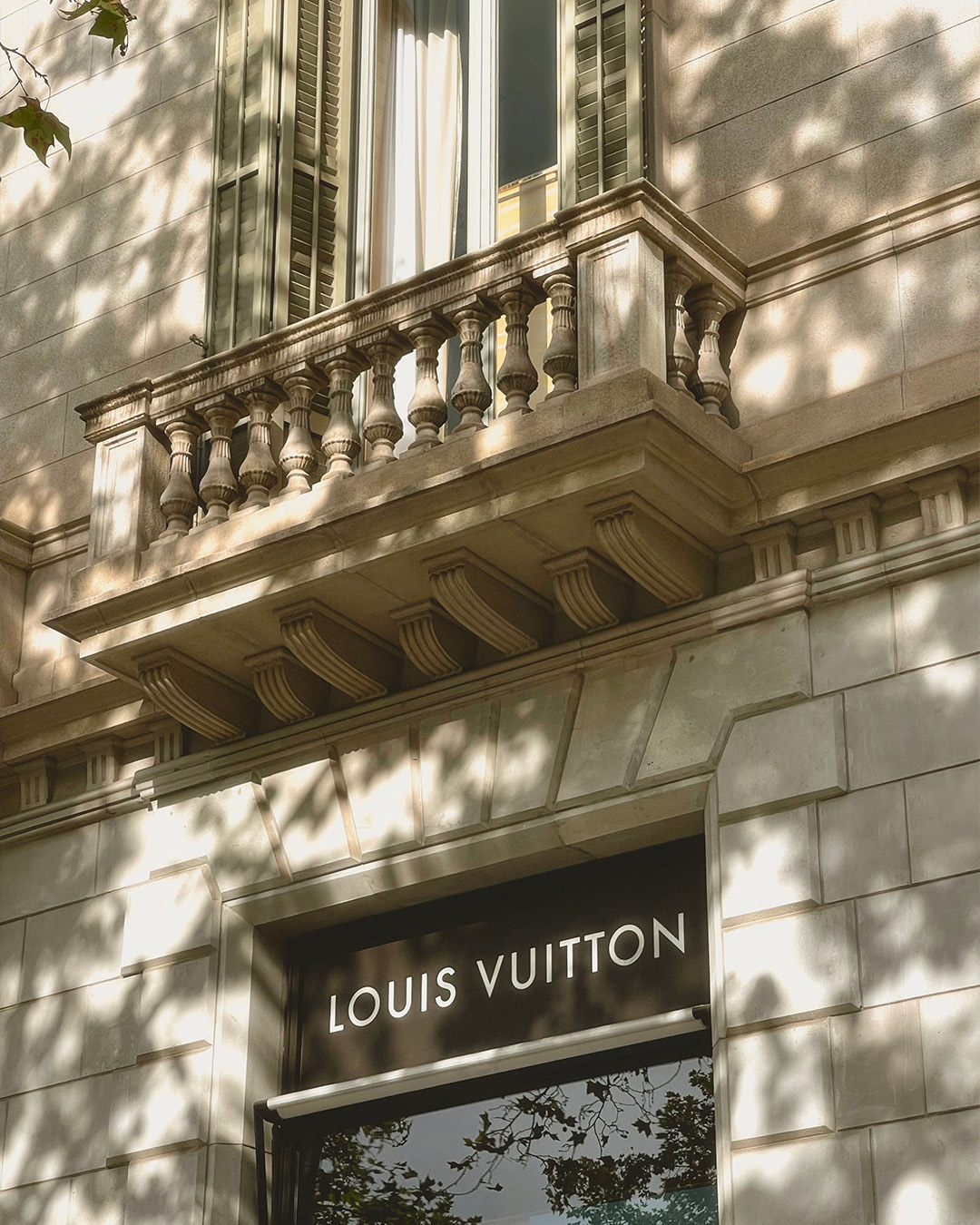
Long before Louis Vuitton became synonymous with exclusive handbags, the French fashion house had established itself as a pioneer in travel bags and trunks. But its real breakthrough came when the brand began making handbags.
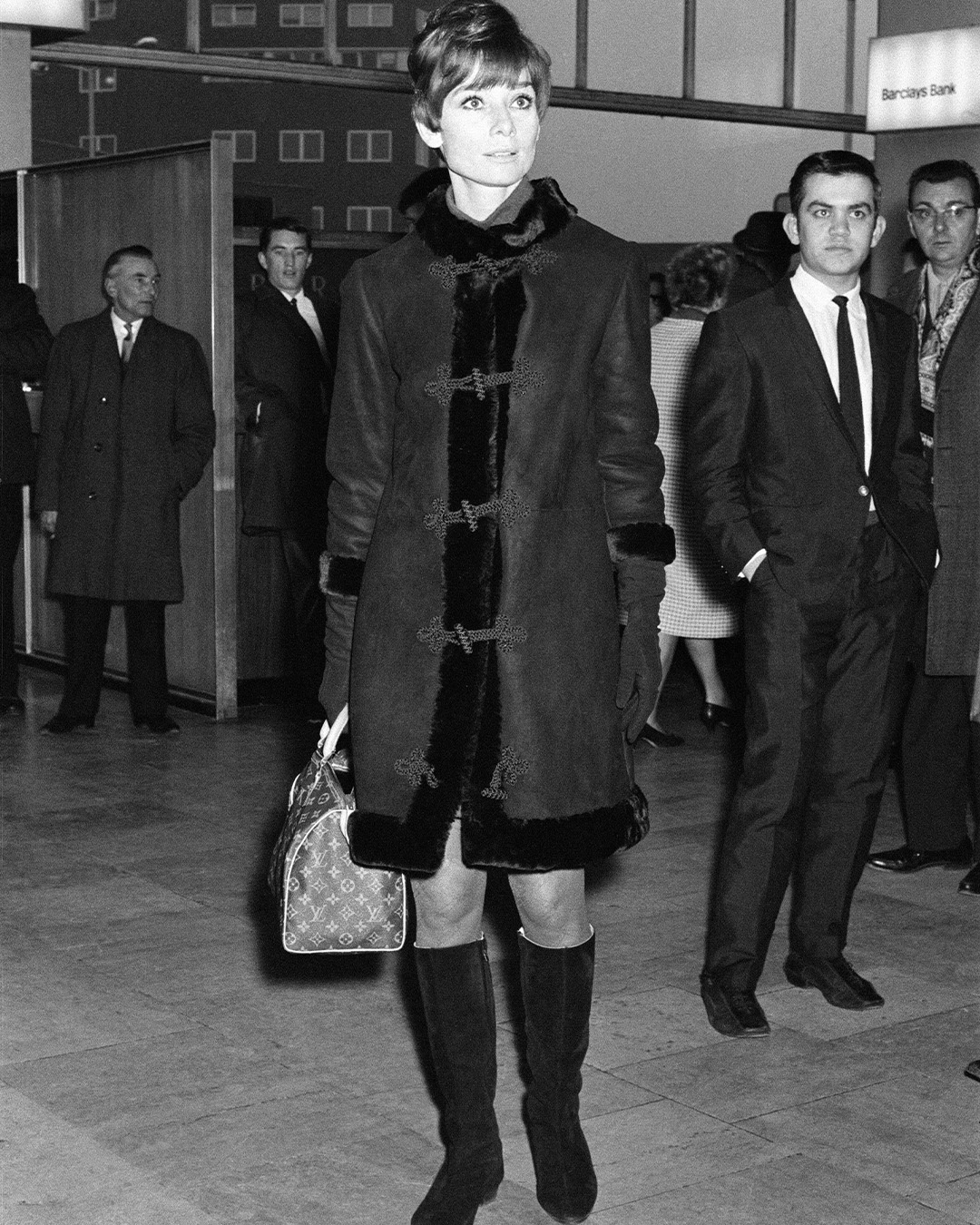
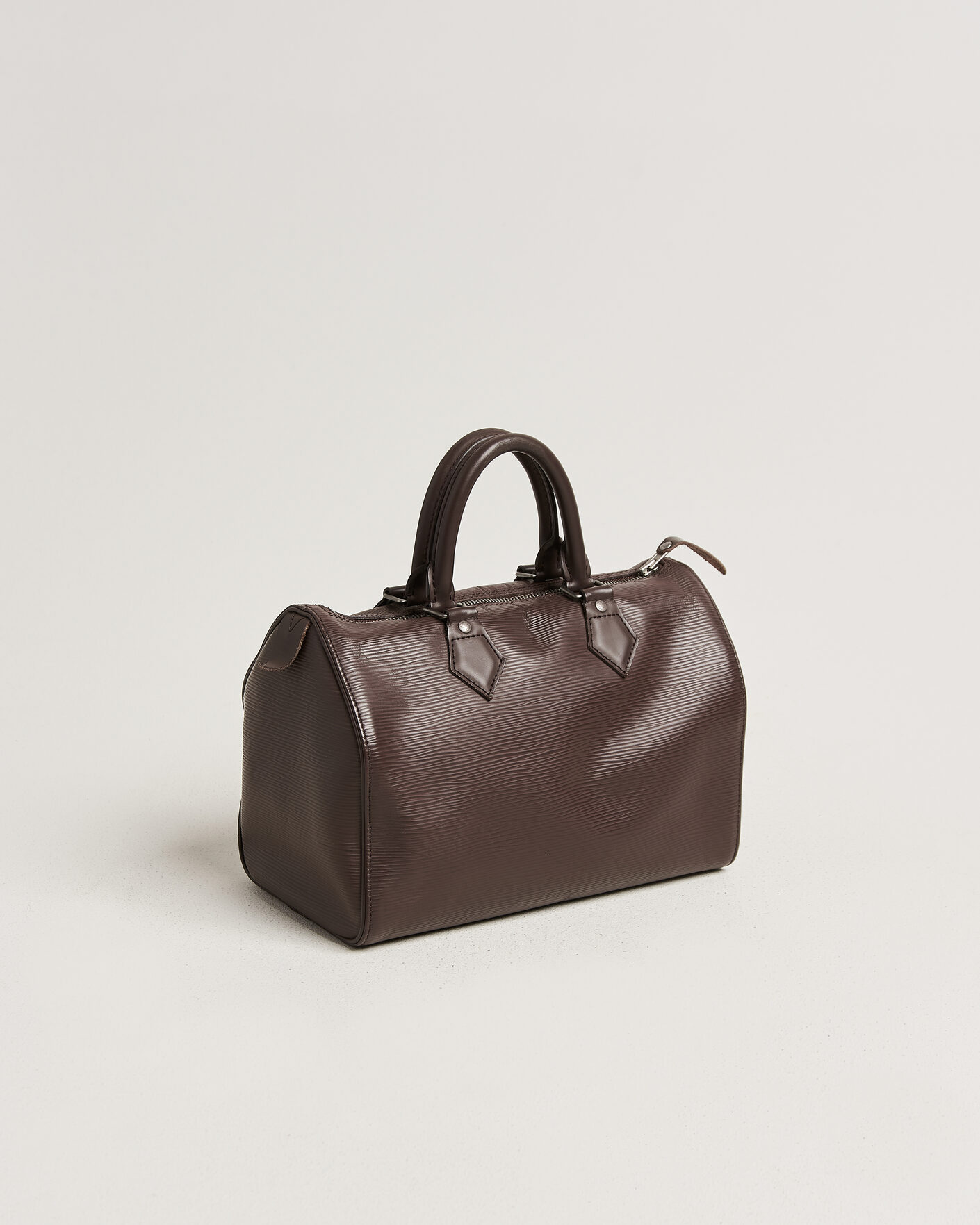
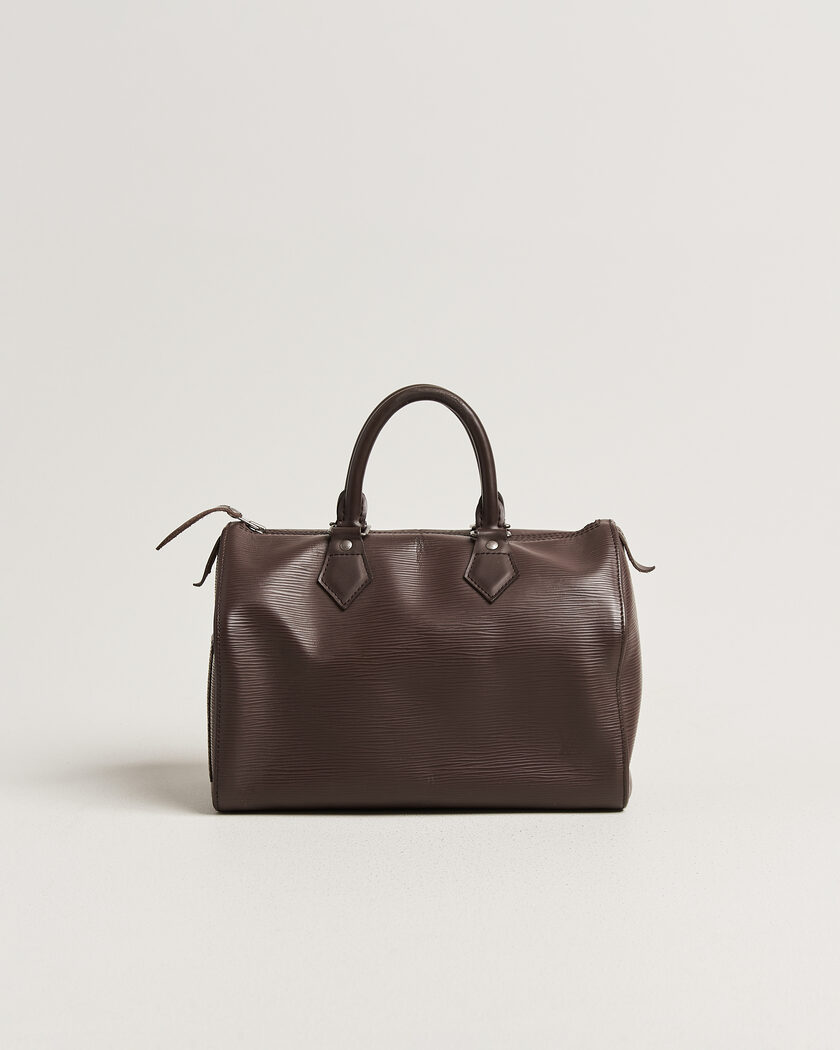
The Speedy made its debut in the 1930s under the name “Express”. Its design drew inspiration from Louis Vuitton’s classic Keepall, but in a smaller format. Initially made in a 30 cm size, the bag was later also introduced in 35 and 40 cm versions.
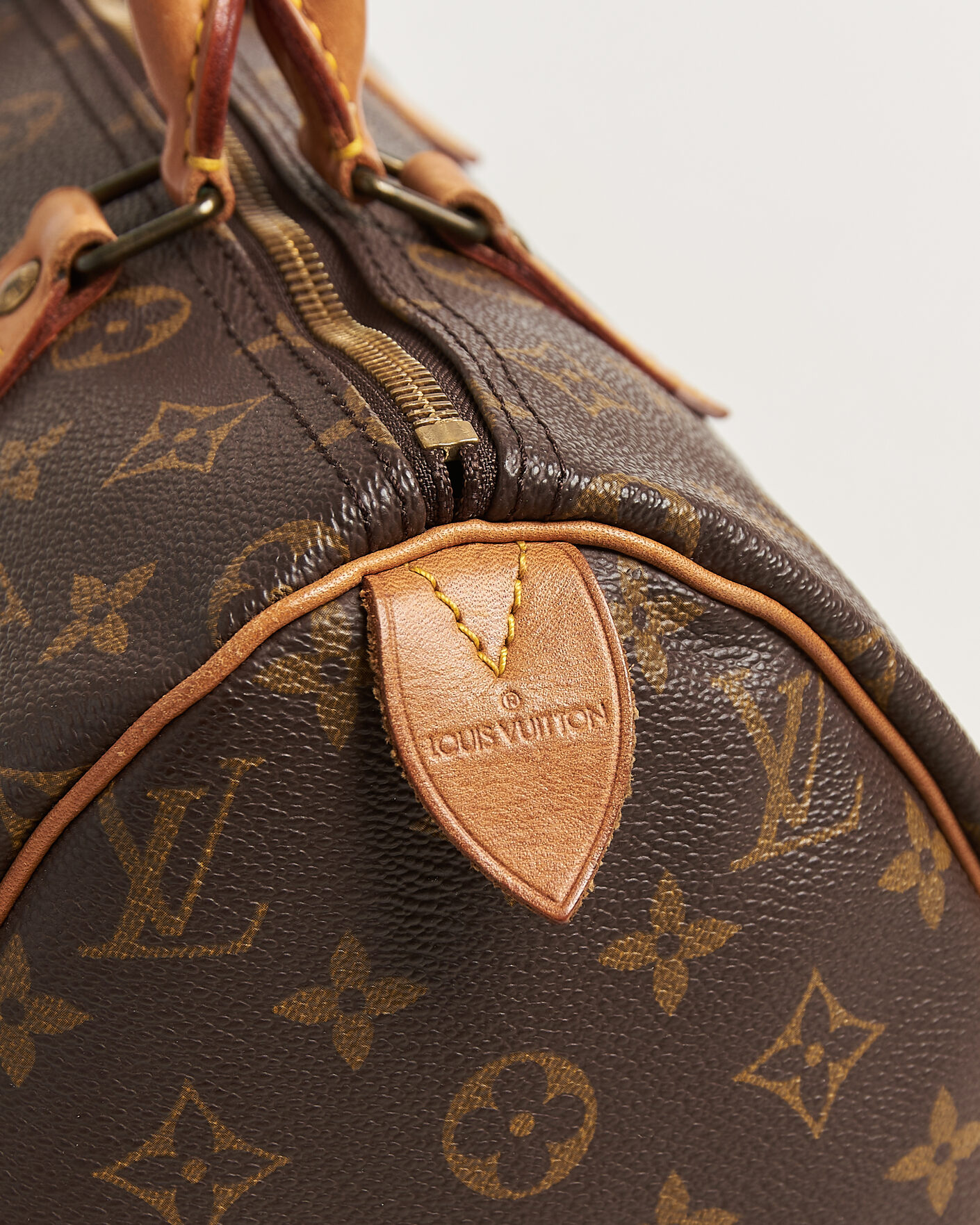
In the 1960s, American actress Audrey Hepburn is said to have requested a smaller version of the bag, leading the brand to create the Speedy 25. The size quickly became sought-after and has remained popular to this day.
Over the years, the Speedy has appeared in a wide range of colours, materials and designs. The model has also been given new life through high-profile artist collaborations, including one with Japanese artist Takashi Murakami, whose playful cherry motifs brought a colourful touch to the classic bag.






Chanel Classic Flap – a bag with hidden details
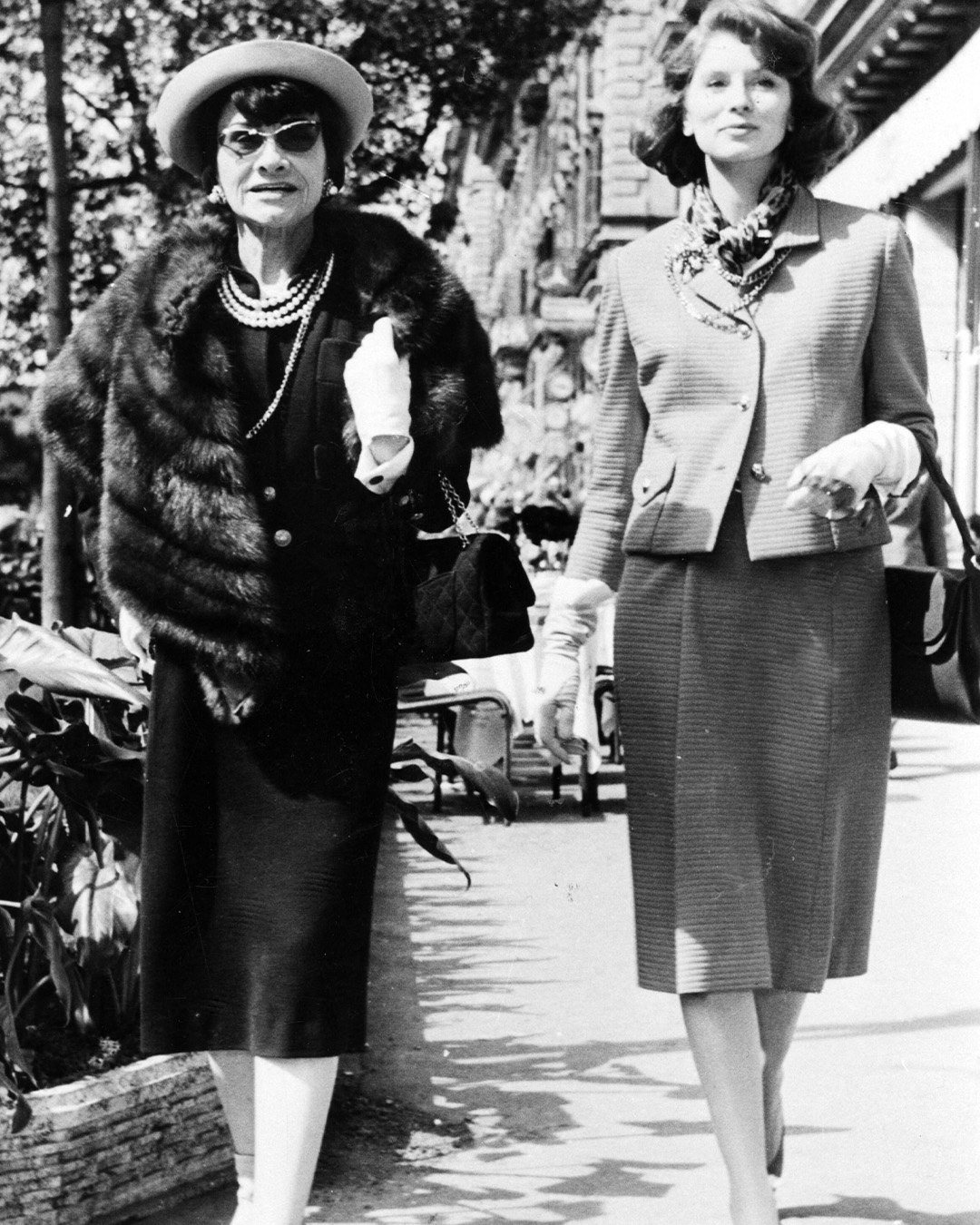
The French fashion house opened its first boutique at 21 Rue Cambon in Paris in 1910. Here, Gabrielle “Coco” Chanel, the brand’s founder, designed and made hats for women. A few years later, the range expanded to include clothing, which quickly became a success. After the First World War, however, the brand would revolutionise women’s fashion through its use of jersey fabrics.
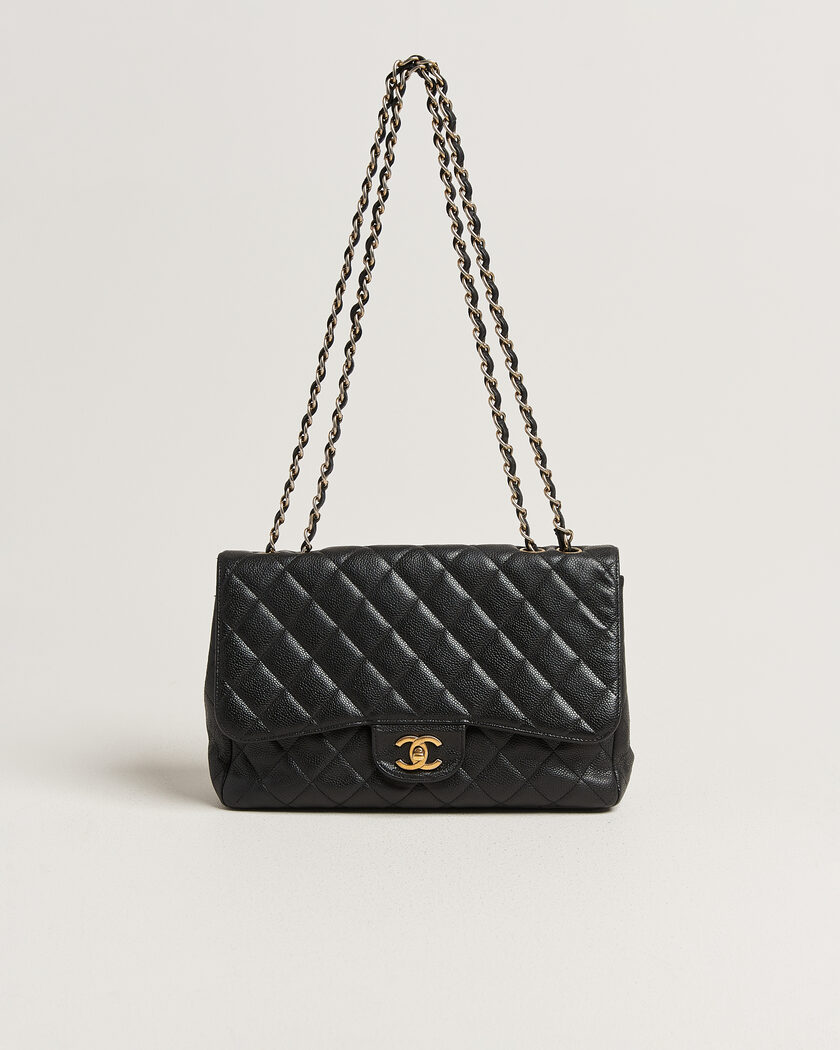
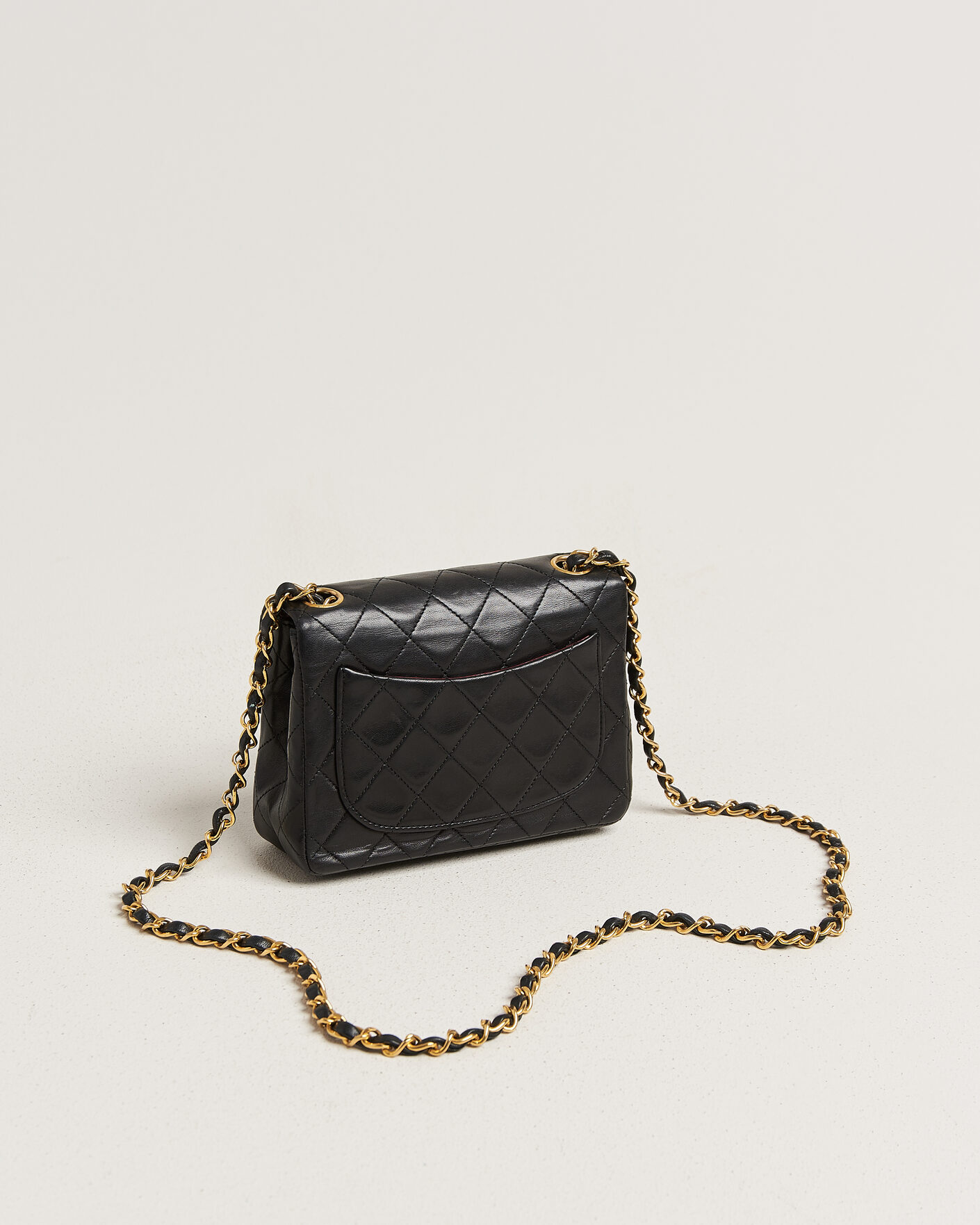
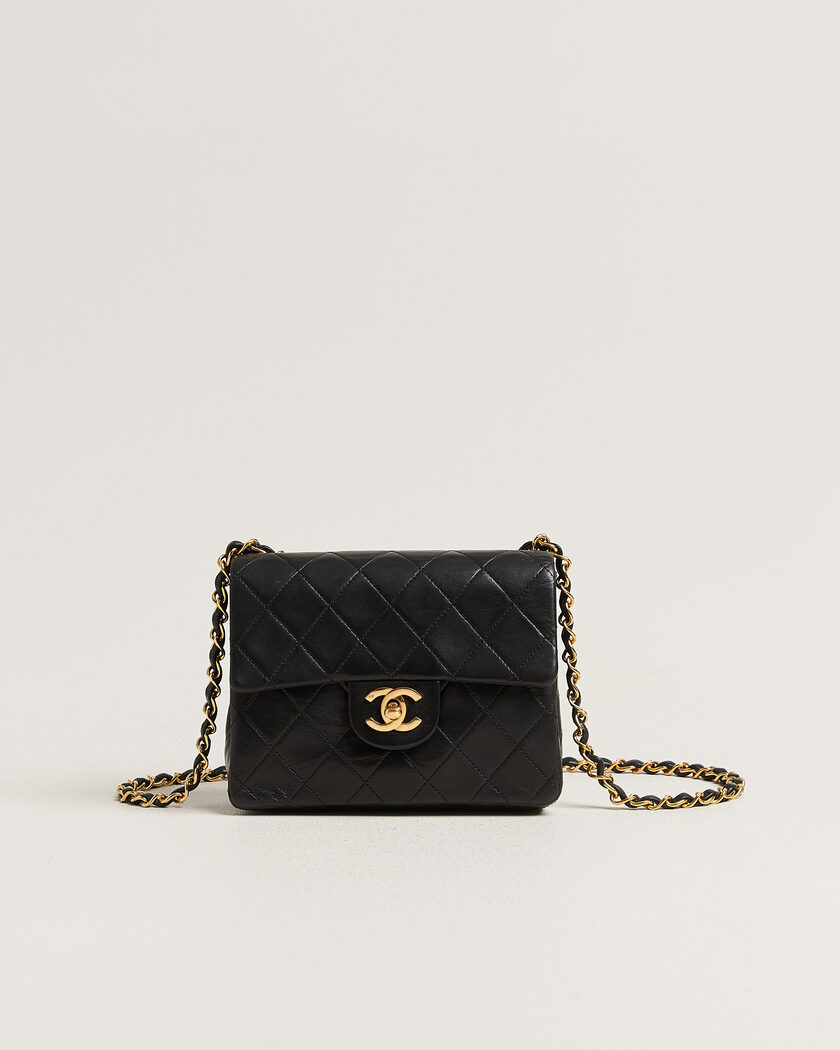
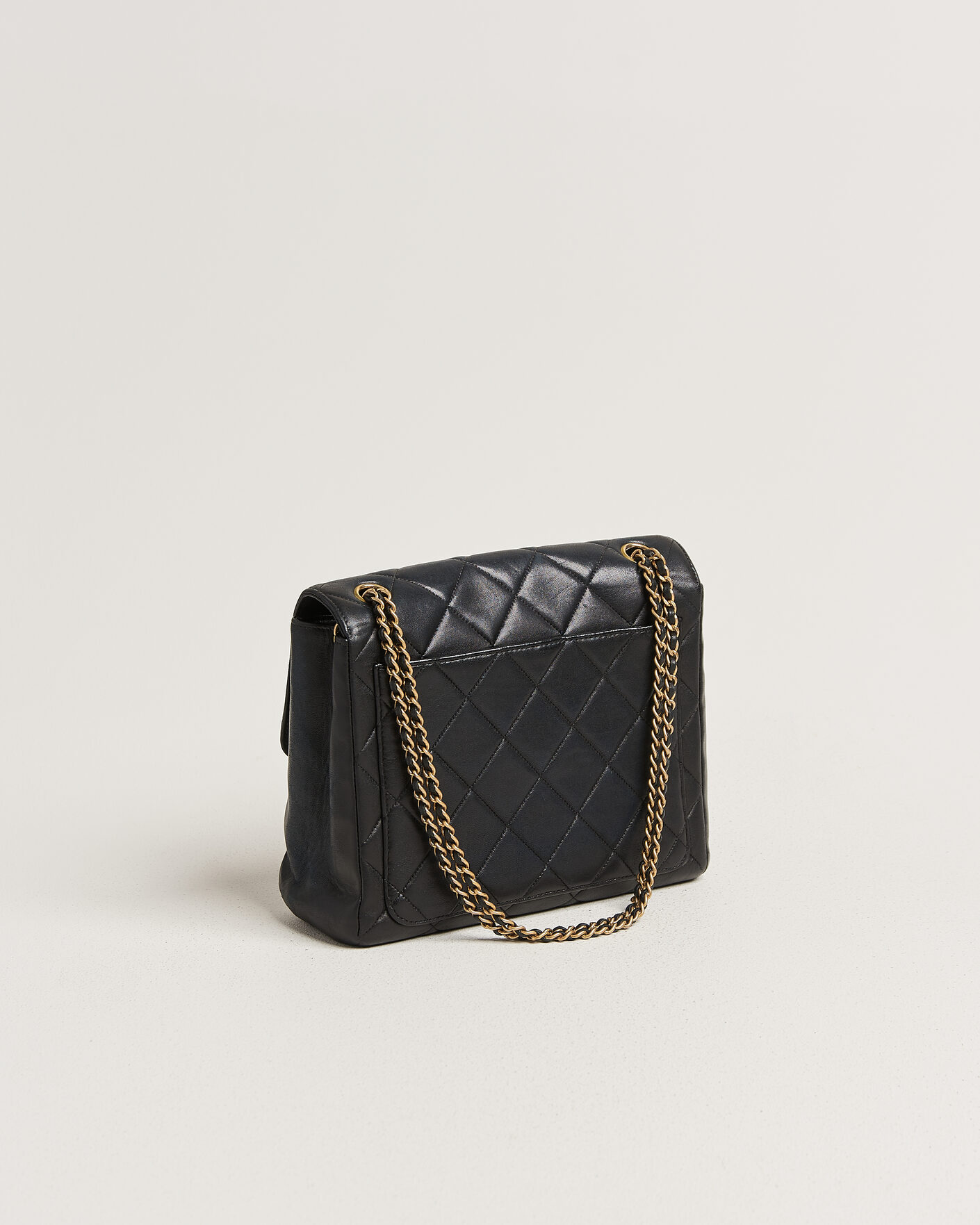
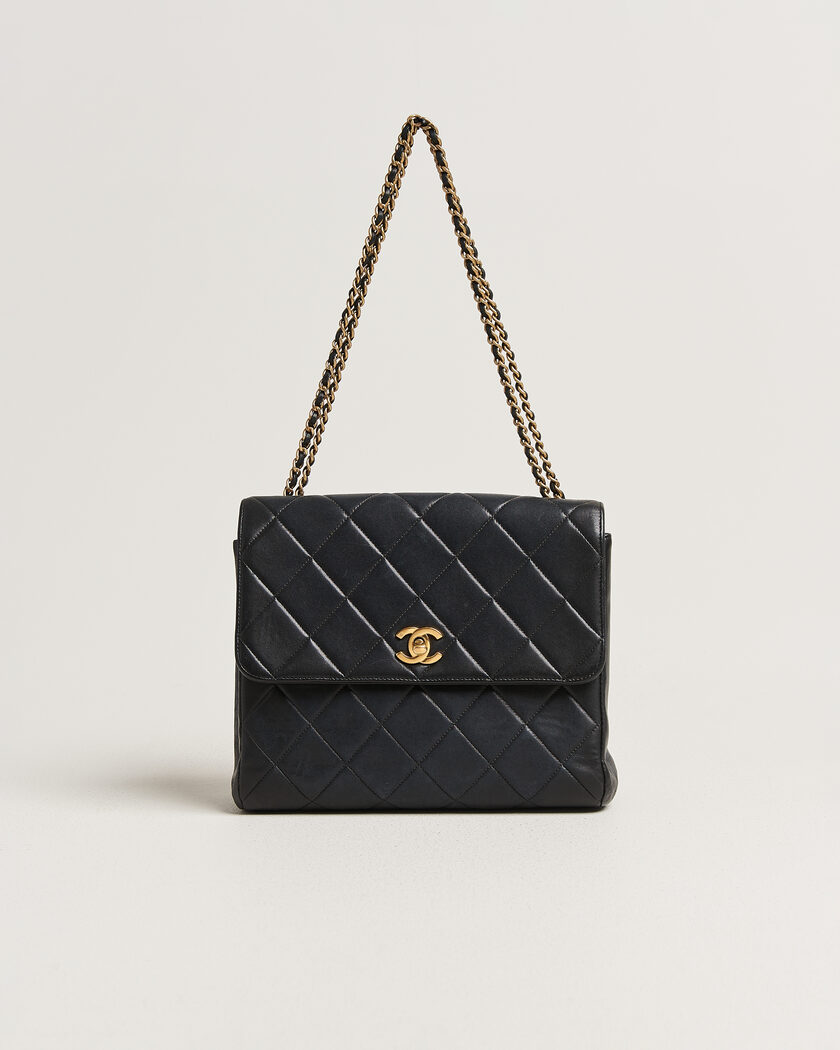
Chanel began making handbags as early as the 1920s. They followed the prevailing ideals of the time: small bags, with or without handles, intended to be carried in the hand. In 1955, Gabrielle wanted to free women’s hands and created the iconic 2.55 handbag, the predecessor of the hugely popular Classic Flap Bag.
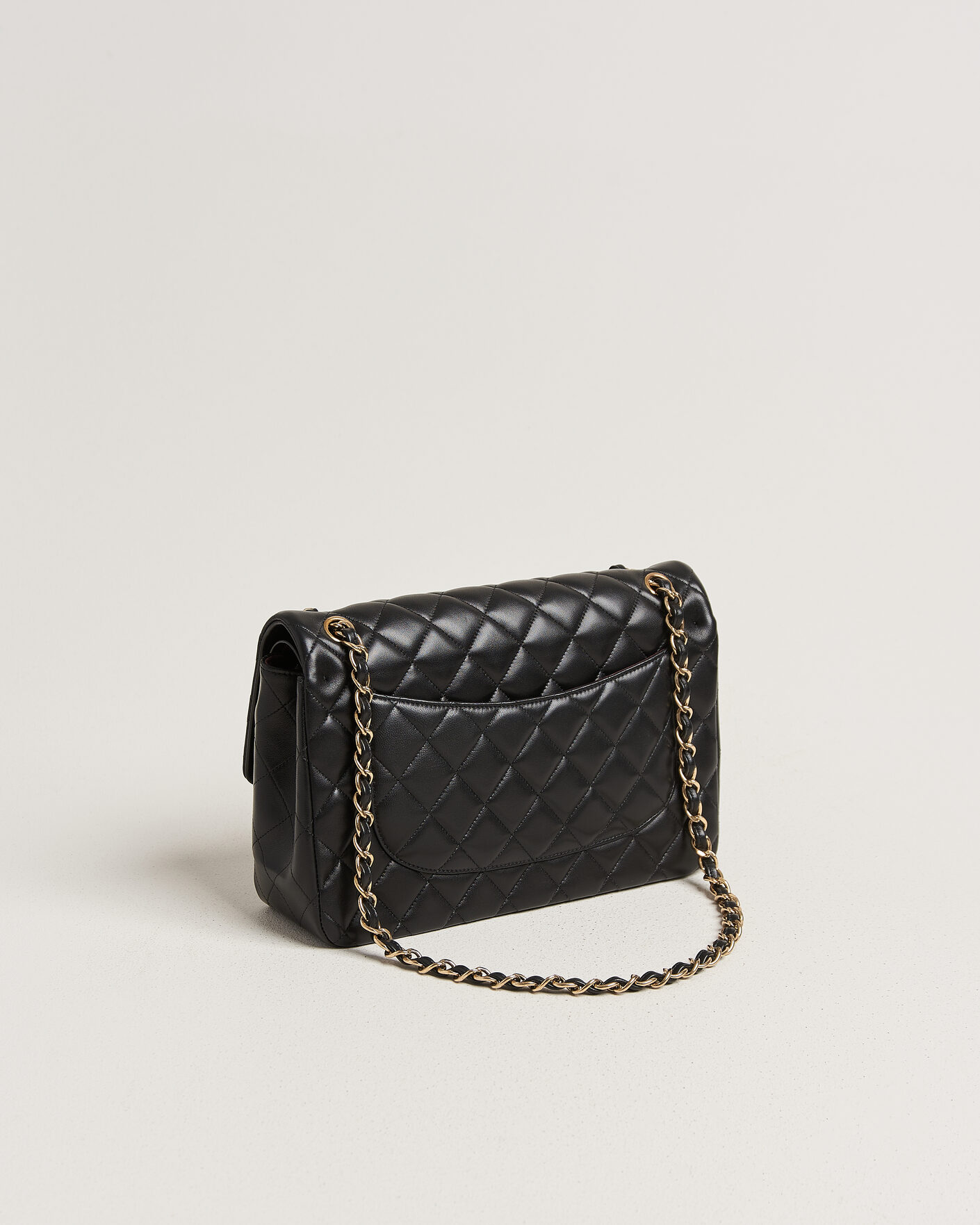
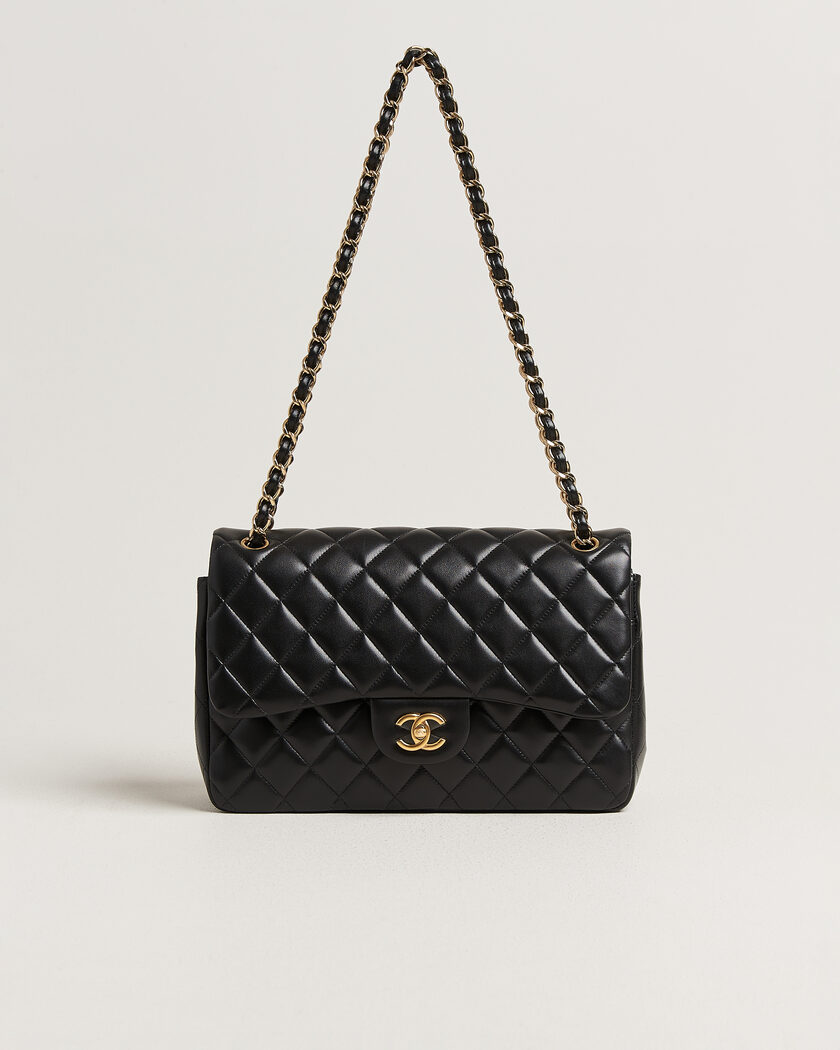
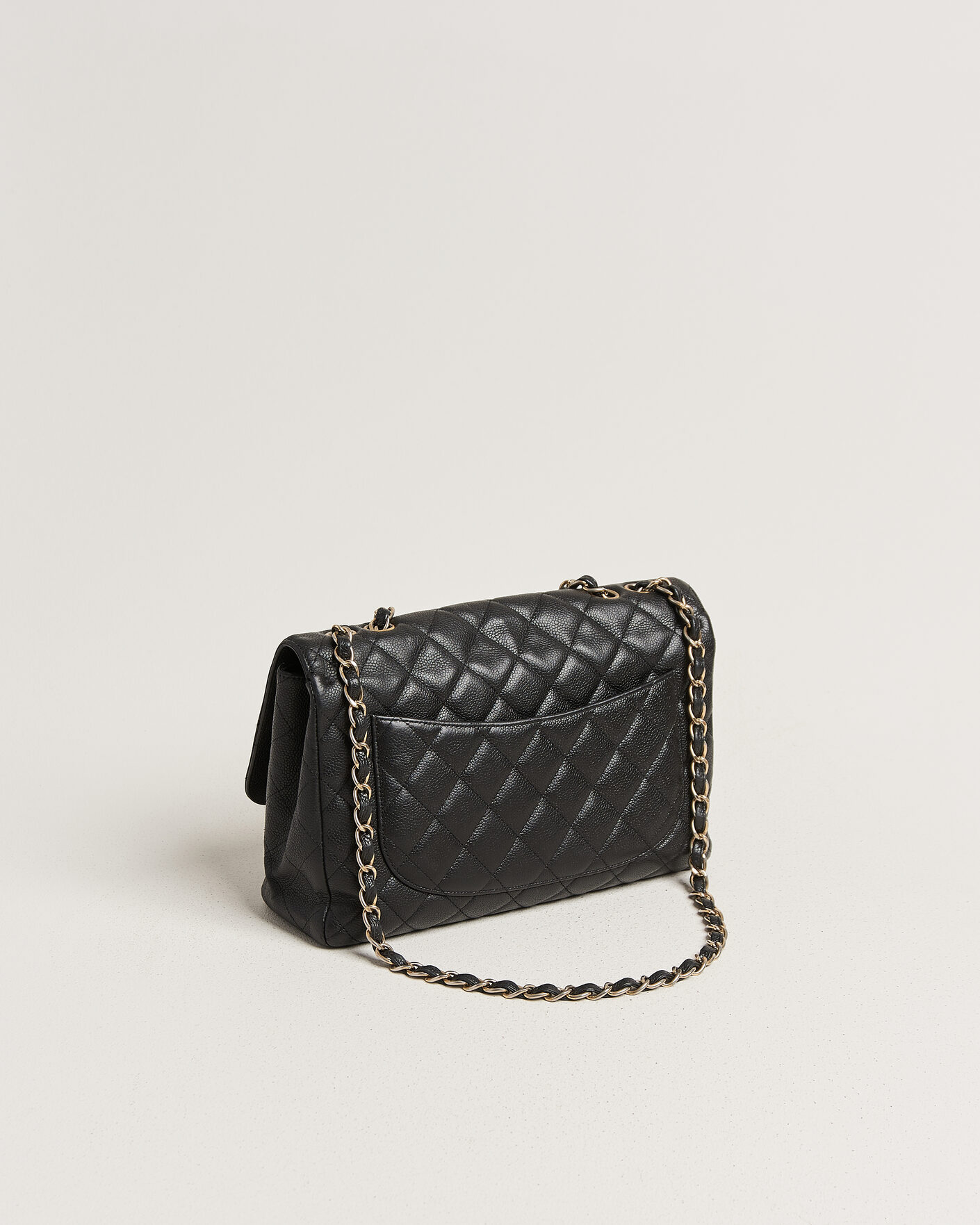
The bag was made in quilted leather, with a distinctive diamond pattern said to have been inspired by Gabrielle Chanel’s passion for horses and riding. The interior was lined in a deep burgundy shade, said to be linked to the uniforms she wore while growing up at the convent in Aubazine, France. The bag’s distinctive chain is also associated with her convent years, specifically the chains the staff used to carry their keys. The truly groundbreaking feature, however, was the long shoulder chain, which allowed the bag to be worn over the shoulder, leaving the hands free.
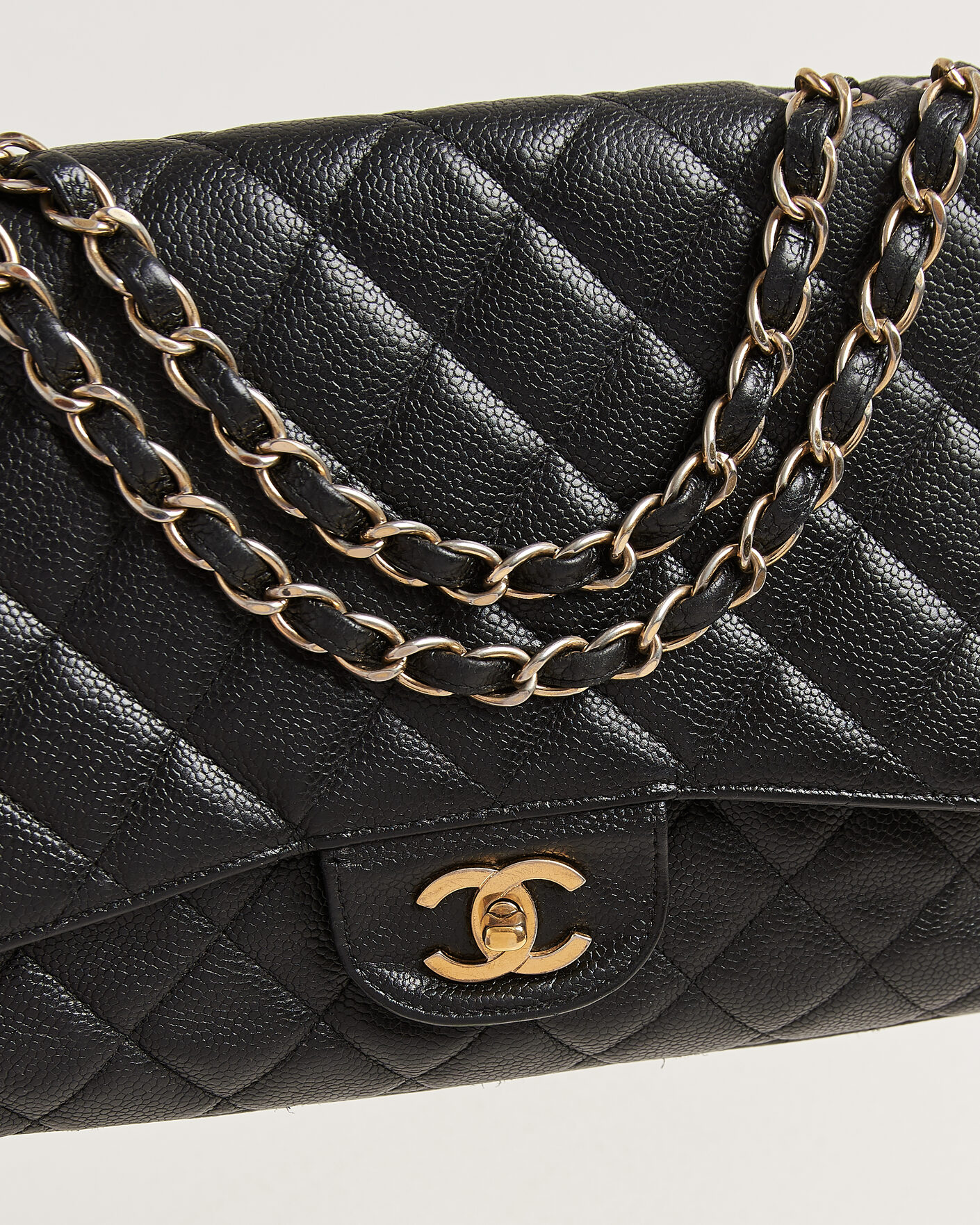
In the 1980s, Karl Lagerfeld took over as creative director at Chanel and launched the Classic Double Flap bag. A tribute to the earlier 2.55, it replaced the original clasp with the iconic CC logo and updated the shoulder chain with a leather strap woven through the metal links. Today, the bag is available in a wide range of colours and materials, with calfskin and caviar leather among the most sought-after. In recent years, the model has also seen significant price increases, further cementing its position as one of the fashion world’s most iconic luxury bags.


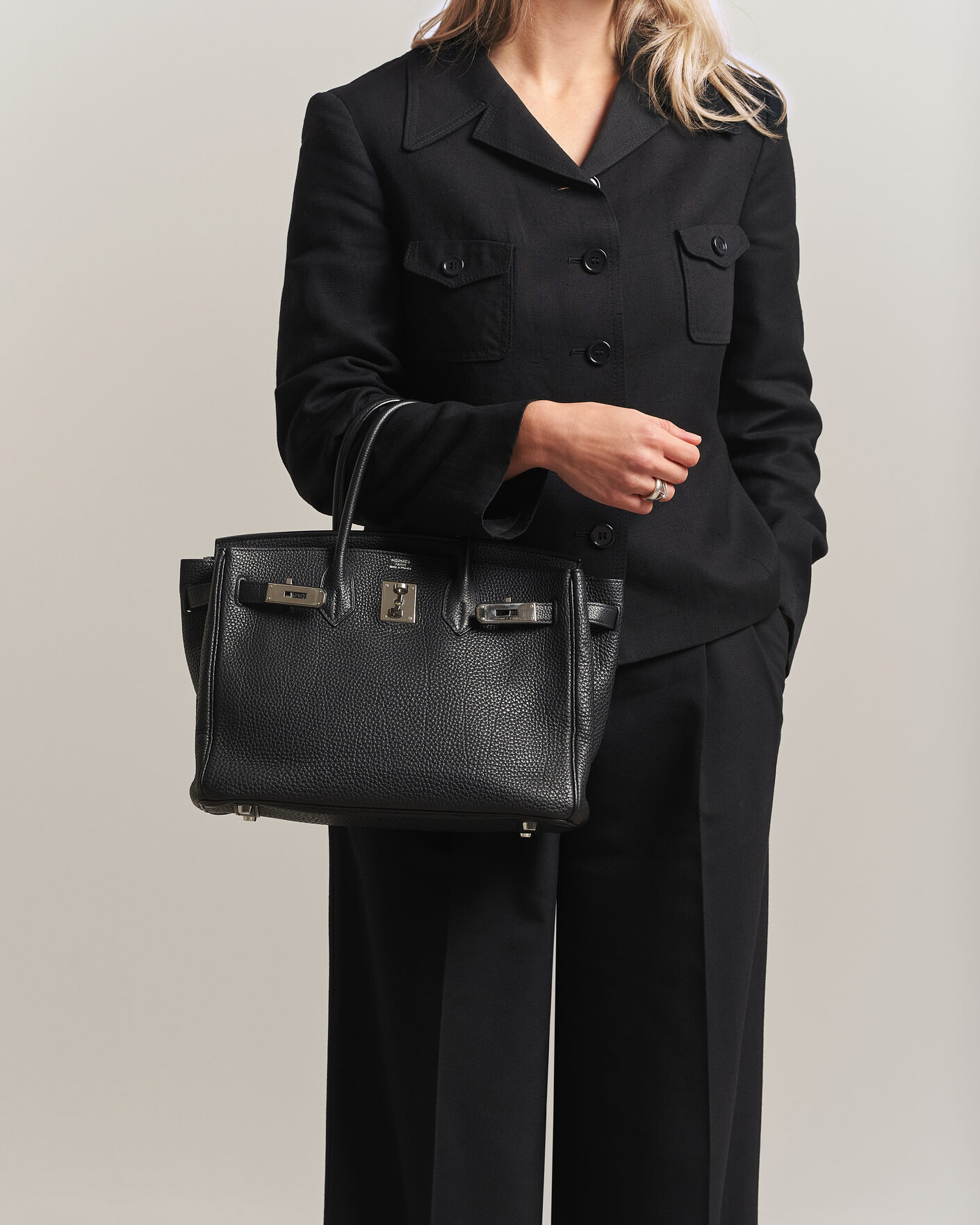
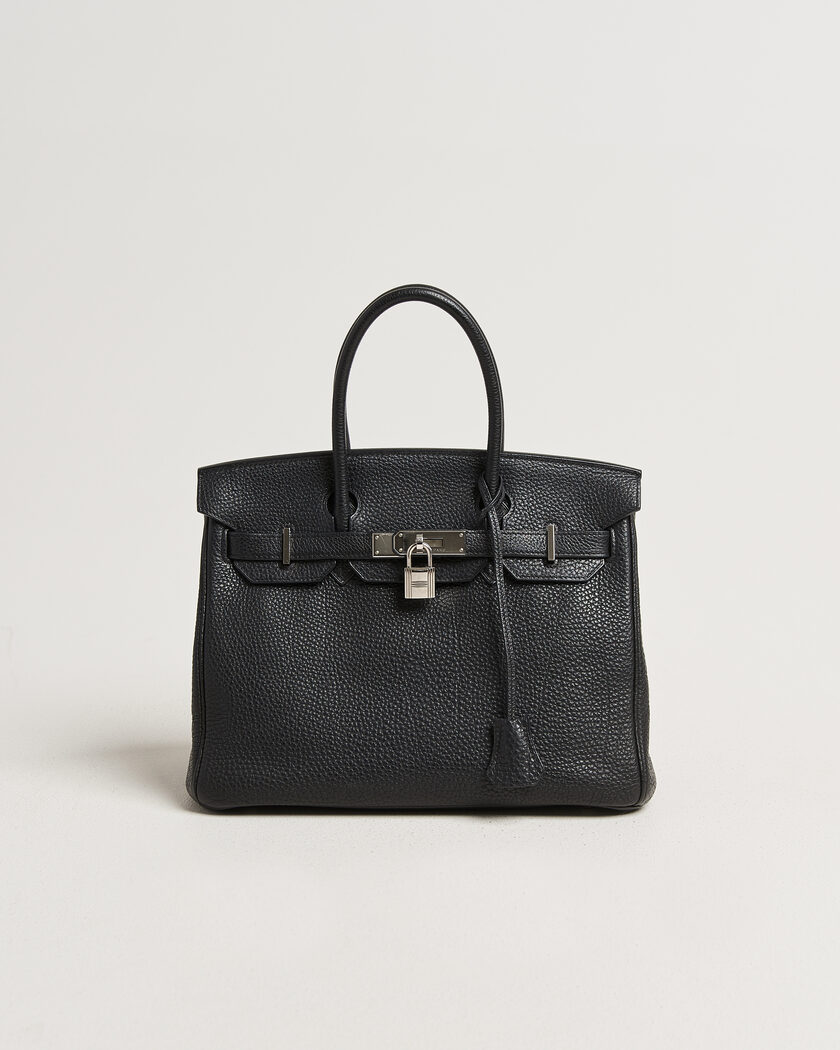
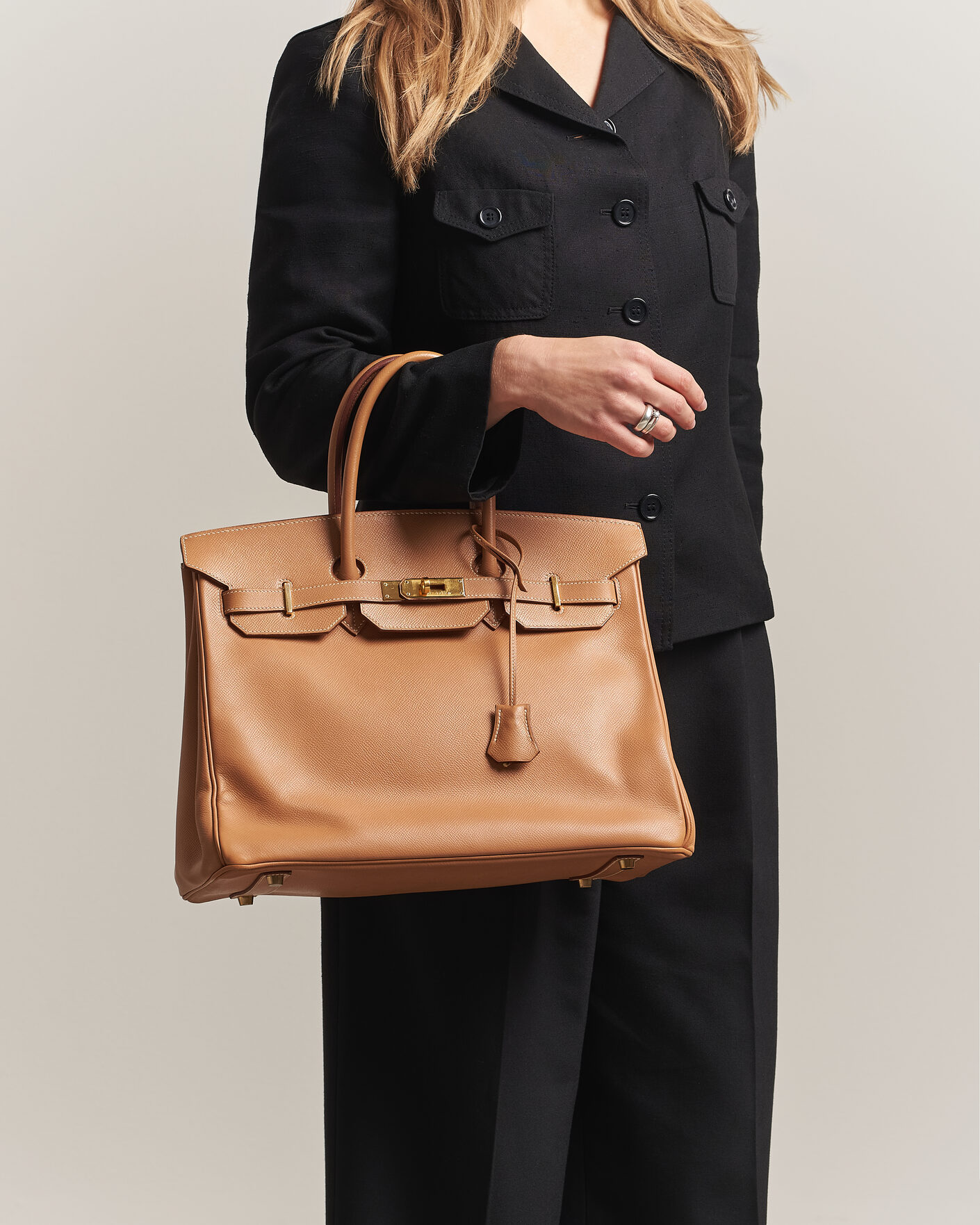
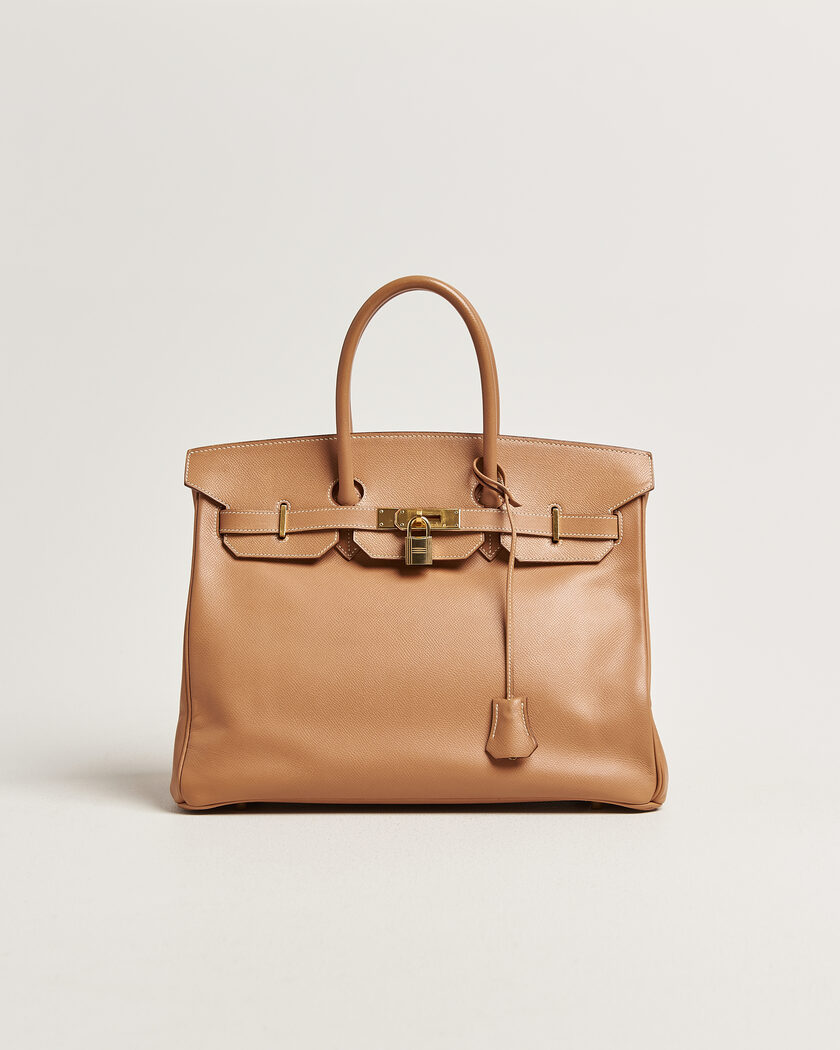
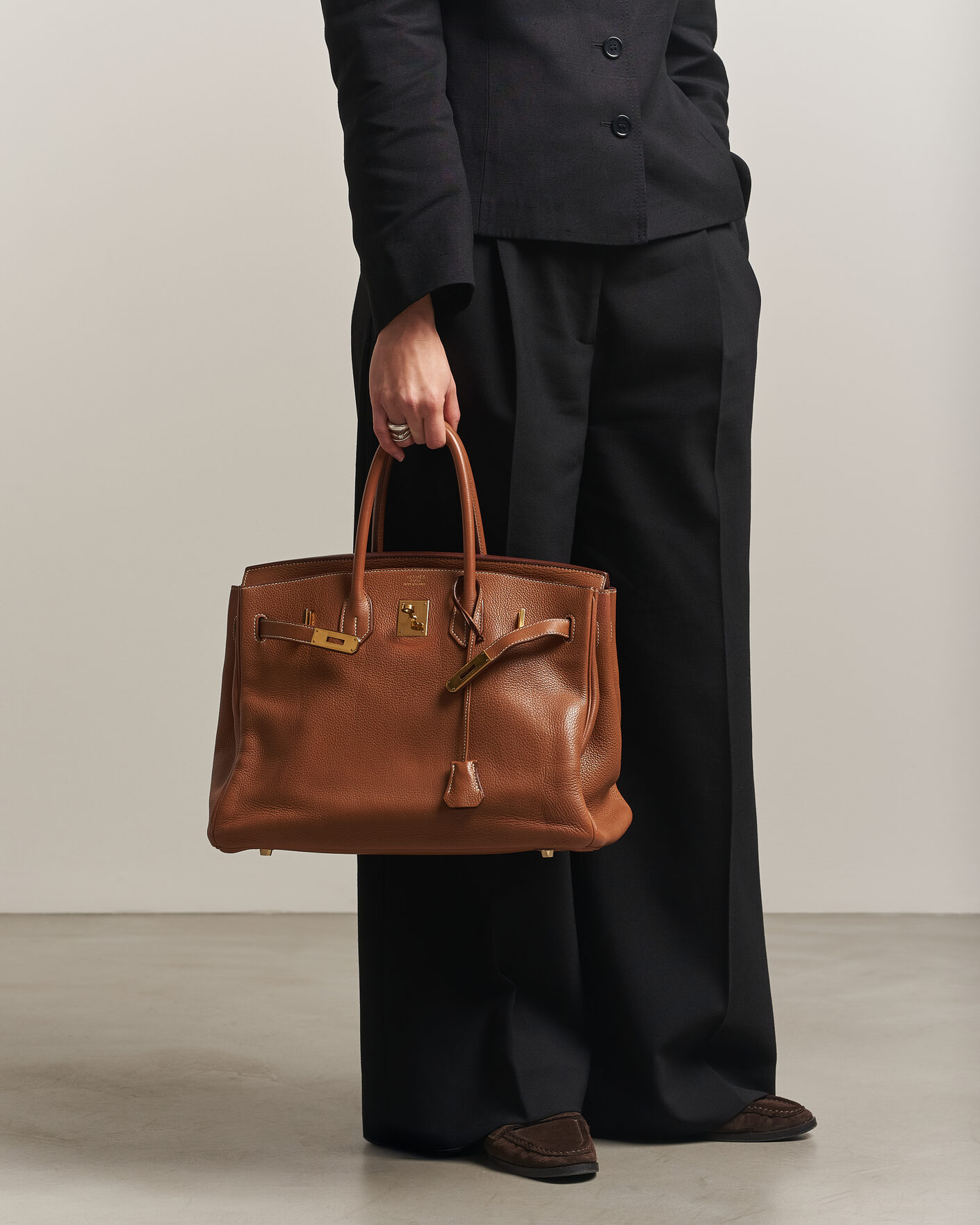
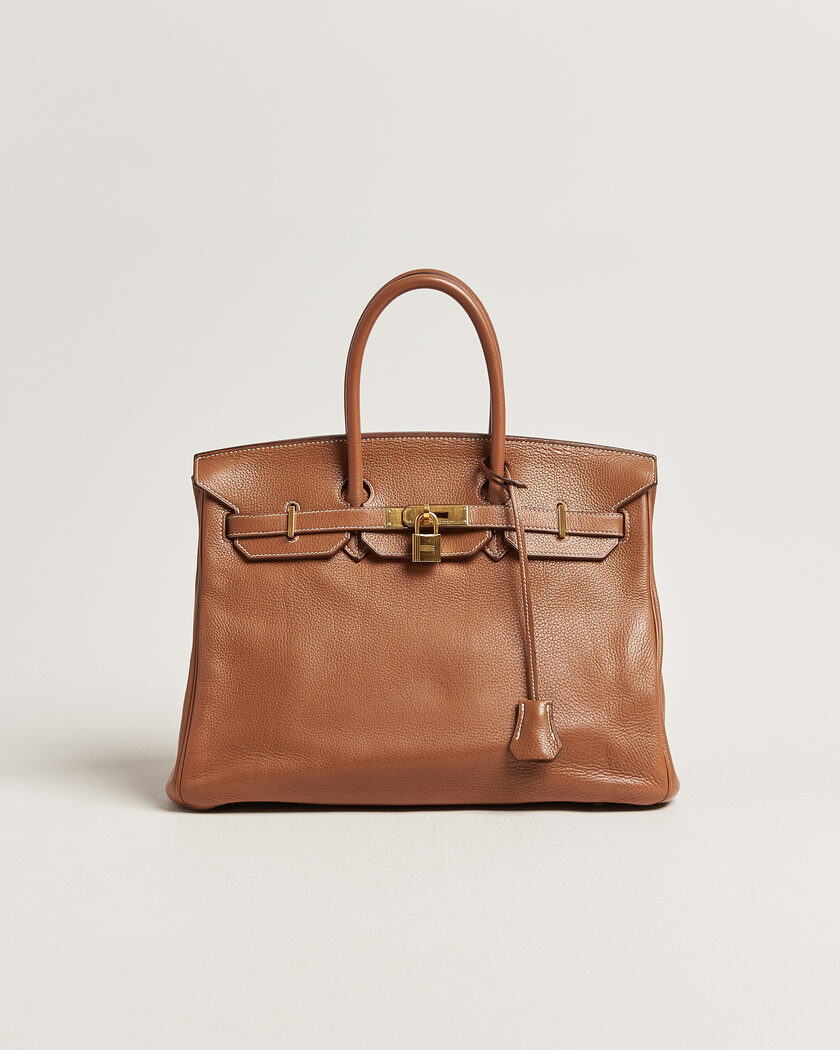
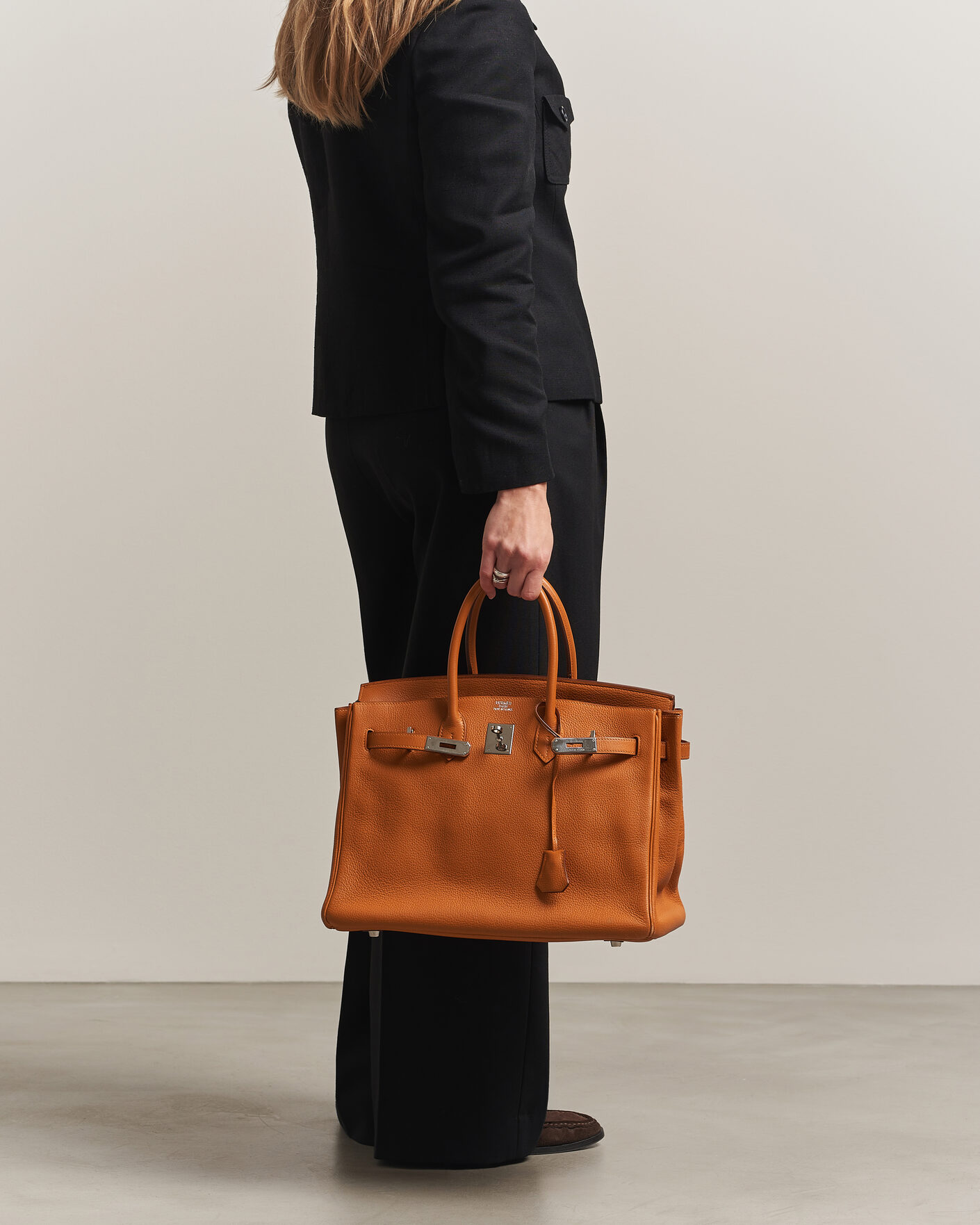
Hermès Birkin
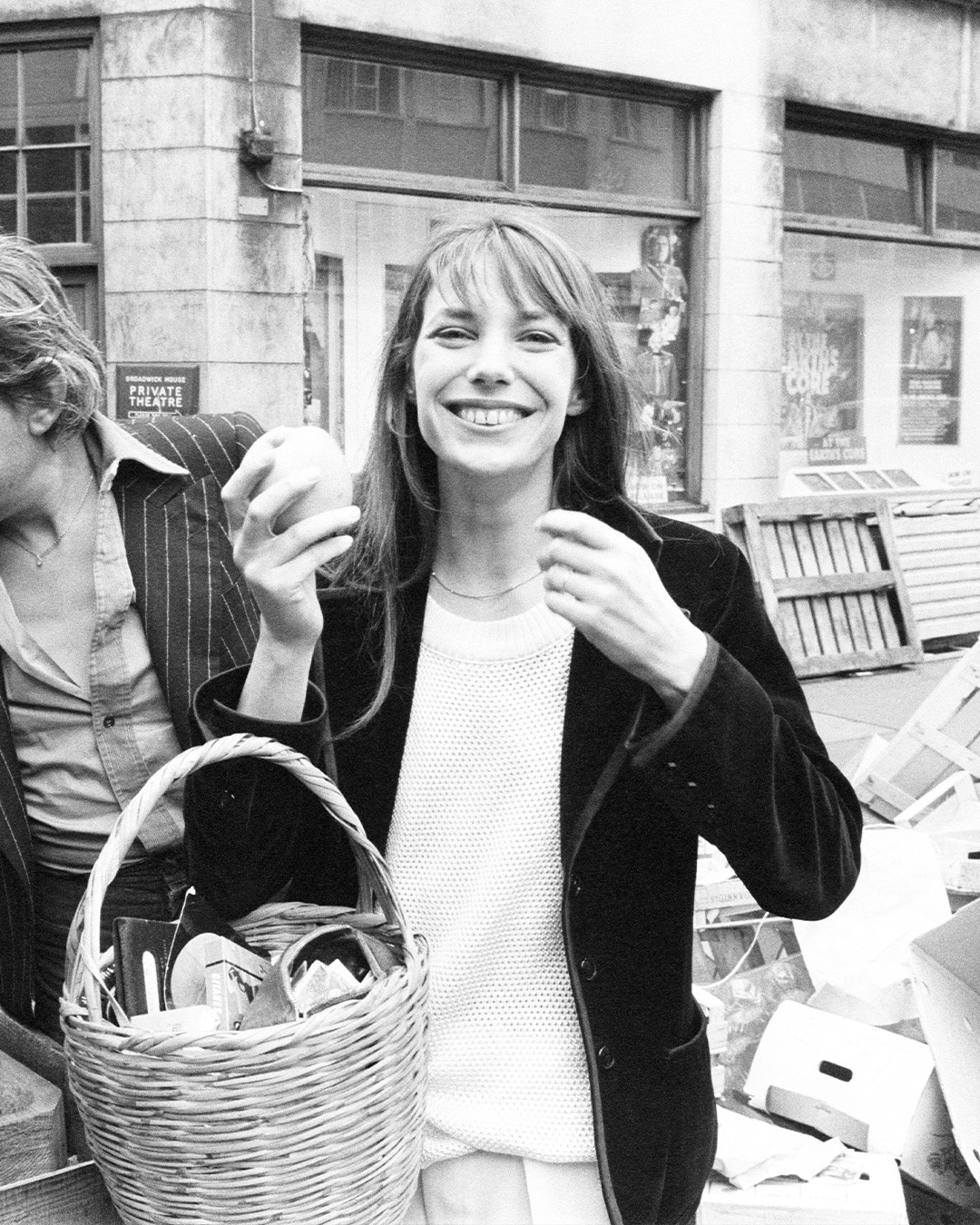
The story of the Hermès Birkin began on a plane in the early 1980s. British-French actress Jane Birkin was sitting beside Jean-Louis Dumas, then head of Hermès, when the contents of her bag spilled out. The conversation that followed centred on the difficulty of finding a spacious yet elegant handbag.
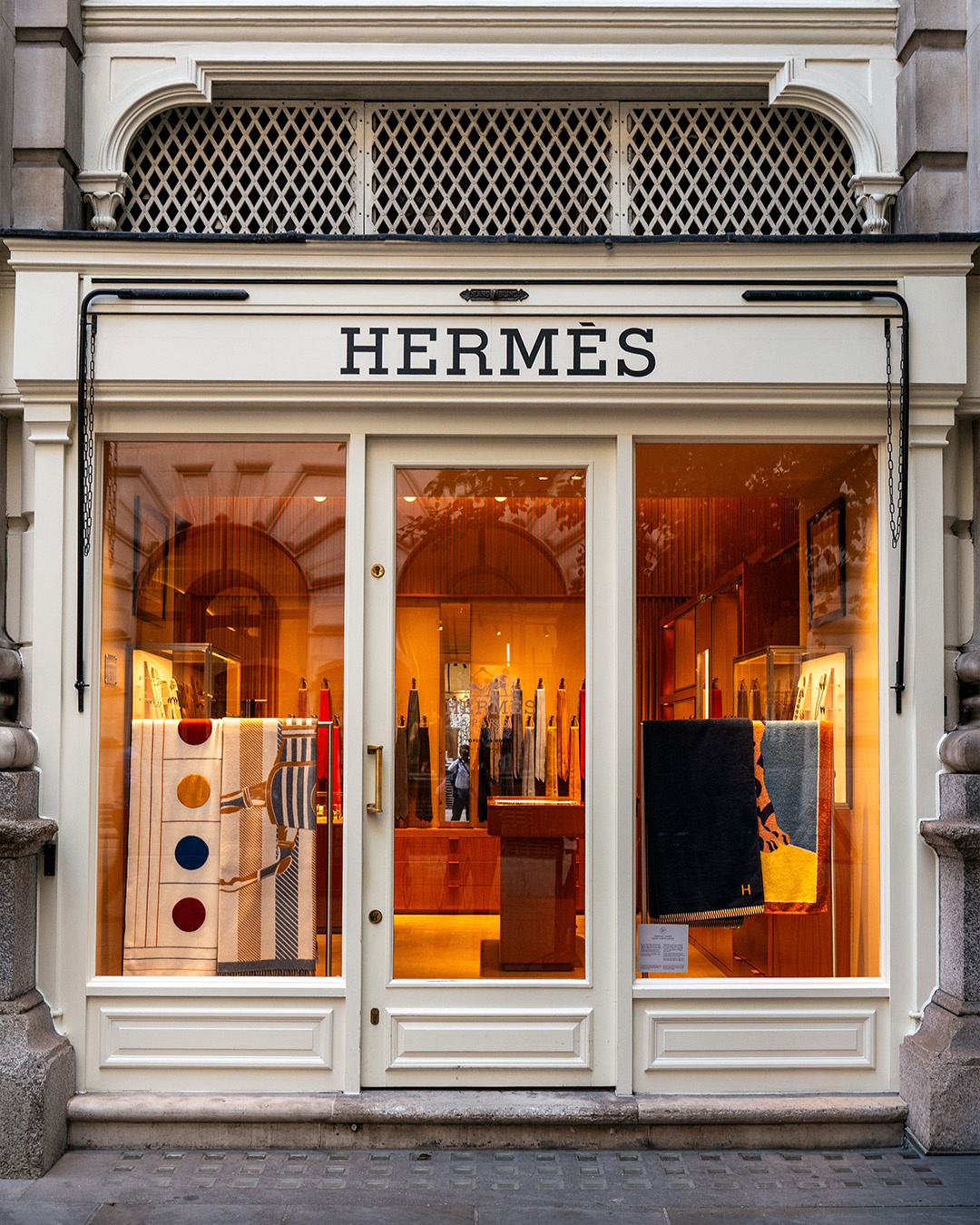
Even before the Birkin bag was created, Hermès had established itself as one of the world’s leading luxury brands, known for its fine leather craftsmanship, exclusive saddlery and iconic Sac à Dépêches bag. The bag was later renamed the Kelly after American actress and princess Grace Kelly was photographed using it to conceal her pregnant belly from the press.
Jane Birkin, who often carried her belongings in a wicker basket, told Dumas how difficult it was to find a handbag that could hold everything a young mother needed. She wanted a practical, elegant bag, about four times the size of the classic Kelly model. During the flight, an initial sketch was drawn on an airline sick bag, and the idea for the iconic Birkin bag was born.
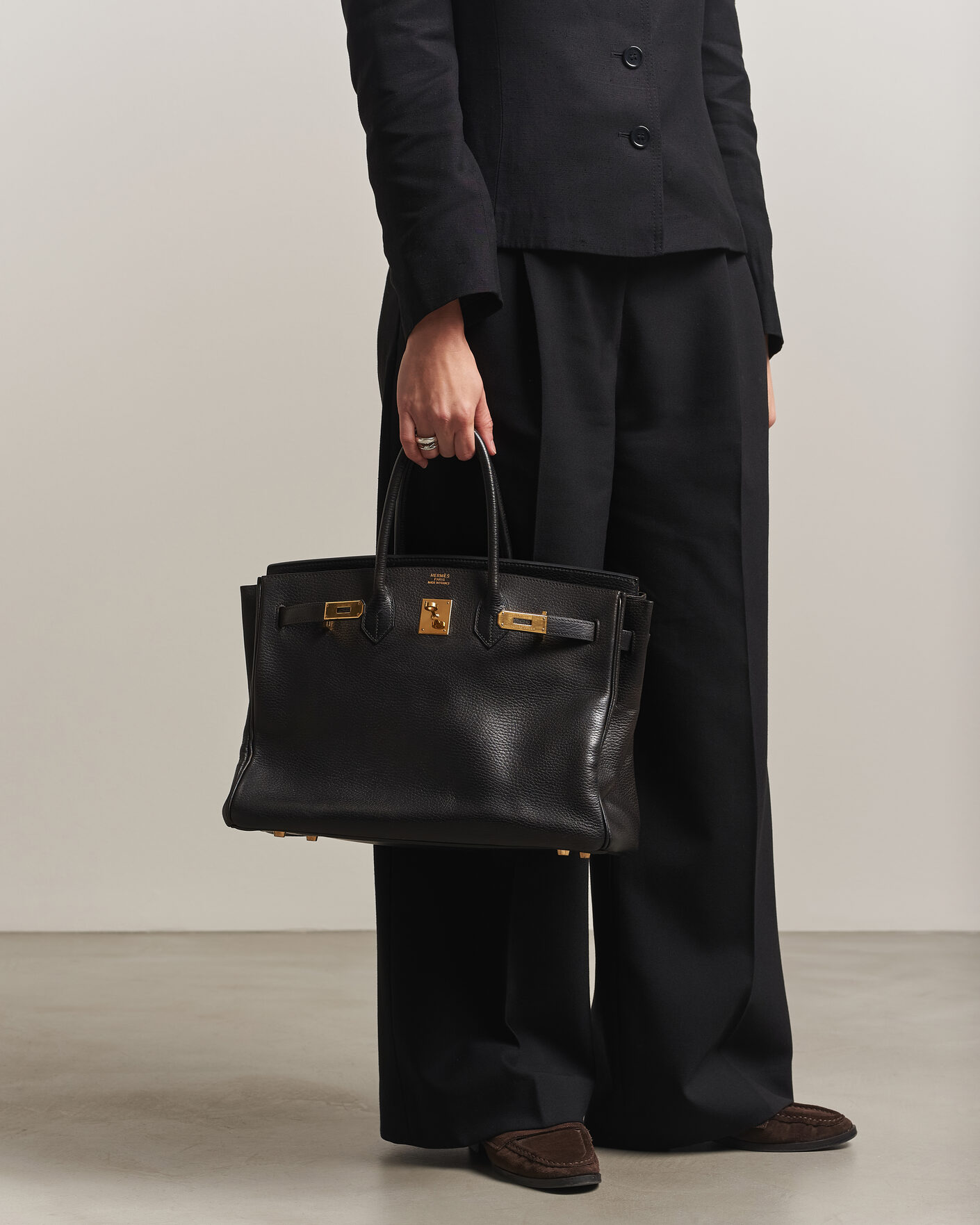
Jane’s original Birkin was made in black Box Calf leather with gold-coloured hardware. It had the same width and height as a Birkin 35, but the depth of a Birkin 40, along with a fixed shoulder strap that sets it apart from today’s models. Today, the Birkin is made in a wide range of sizes, colours and leathers, with Togo, Epsom and Clemence among the best-known. With its limited availability and high demand, the bag has achieved an almost mythical cult status and become one of the fashion world’s most coveted luxury accessories.


Related reading
-
Guide: Choose the Right Bag and Pack Smart for Every Trip
-
Louis Vuitton Keepall – A must in every man's travel wardrobe?
-
Essential bags to invest in
-
Meanwhile in London Pt. 3: Four Places Worth a Stop – From London to Nottingham
-
Factory visit at Astorflex: Father, son, and the family legacy
-
Paraboot - From farmers shoe to culture icon