1 item added to cart







Gianni Agnelli and the Art of Wearing the Watch Over the Cuff
Gianni Agnelli did more than build the Fiat empire – he rewrote the rules for how a well-dressed man can wear his style. With his watch nonchalantly worn over the cuff, he turned a detail into a signature that still inspires.
Photo: Alamy
Text: Joakim Rönnqvist
Dressing stylishly can be an art with many invisible rules. Many spend years learning them, and the rest of their lives trying not to break them. But now and then, someone emerges who does the opposite, without it being provocative.
Gianni Agnelli was one such person.
And, as often is the case with such individuals, everything can be traced back to one single thing. A detail that really shouldn't matter – but changes how everything is perceived.
The Italian industrialist and Fiat heir was, for several decades, one of Europe's most photographed men. His style was studied as meticulously as his business decisions. And amid tailored suits, slim ties, and discreet accessories, there was one detail that stood out more than any other.
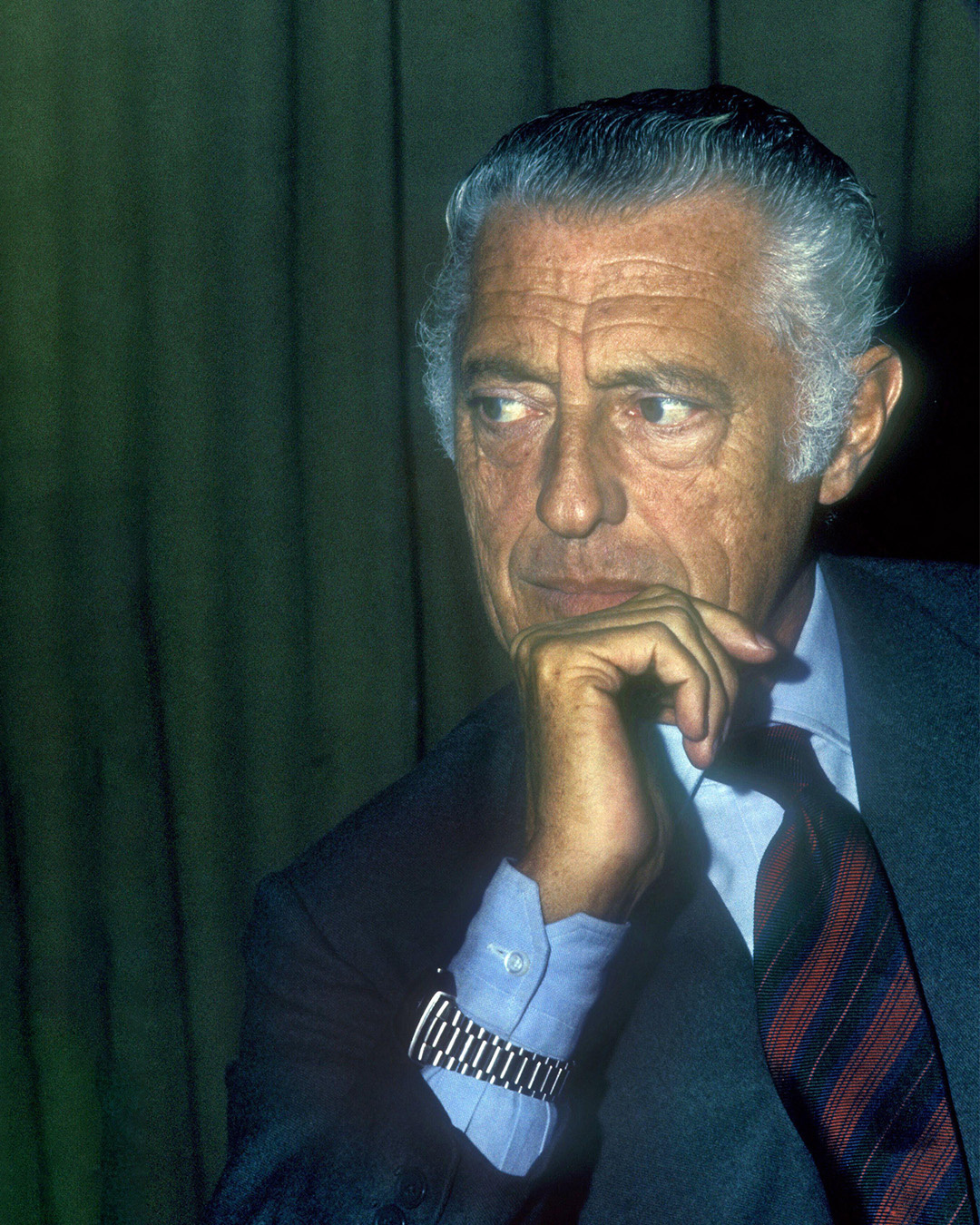
He wore his watch over his shirt cuff. It was a seemingly small style infraction – but it would become one of the most memorable within modern menswear.
20%
20%
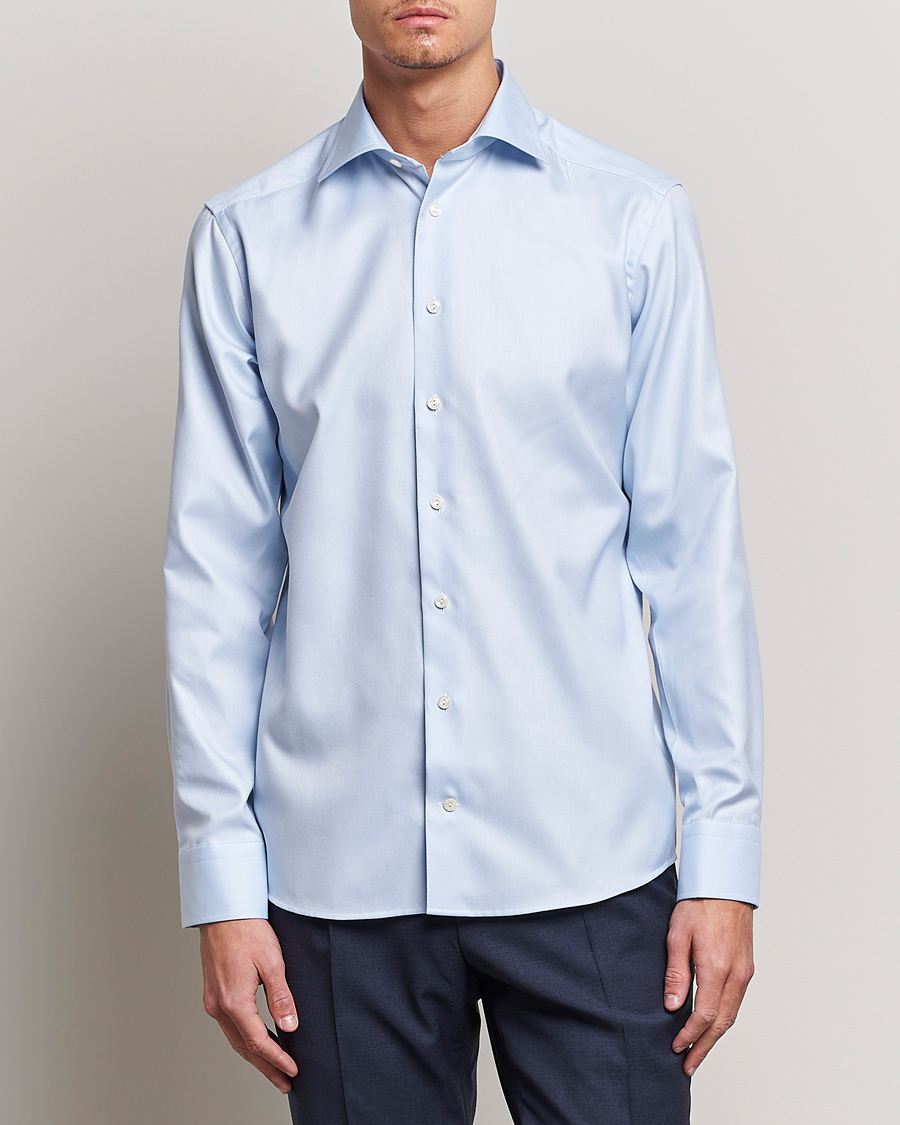
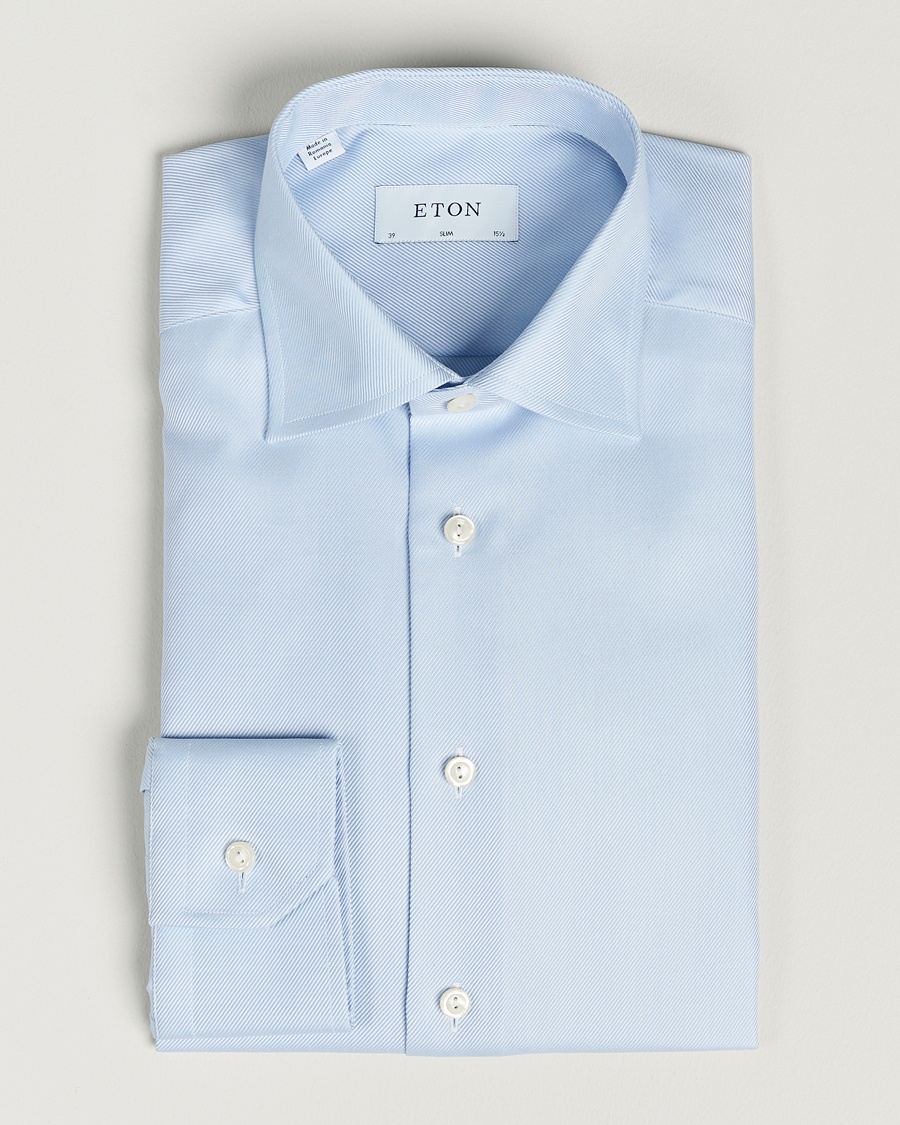
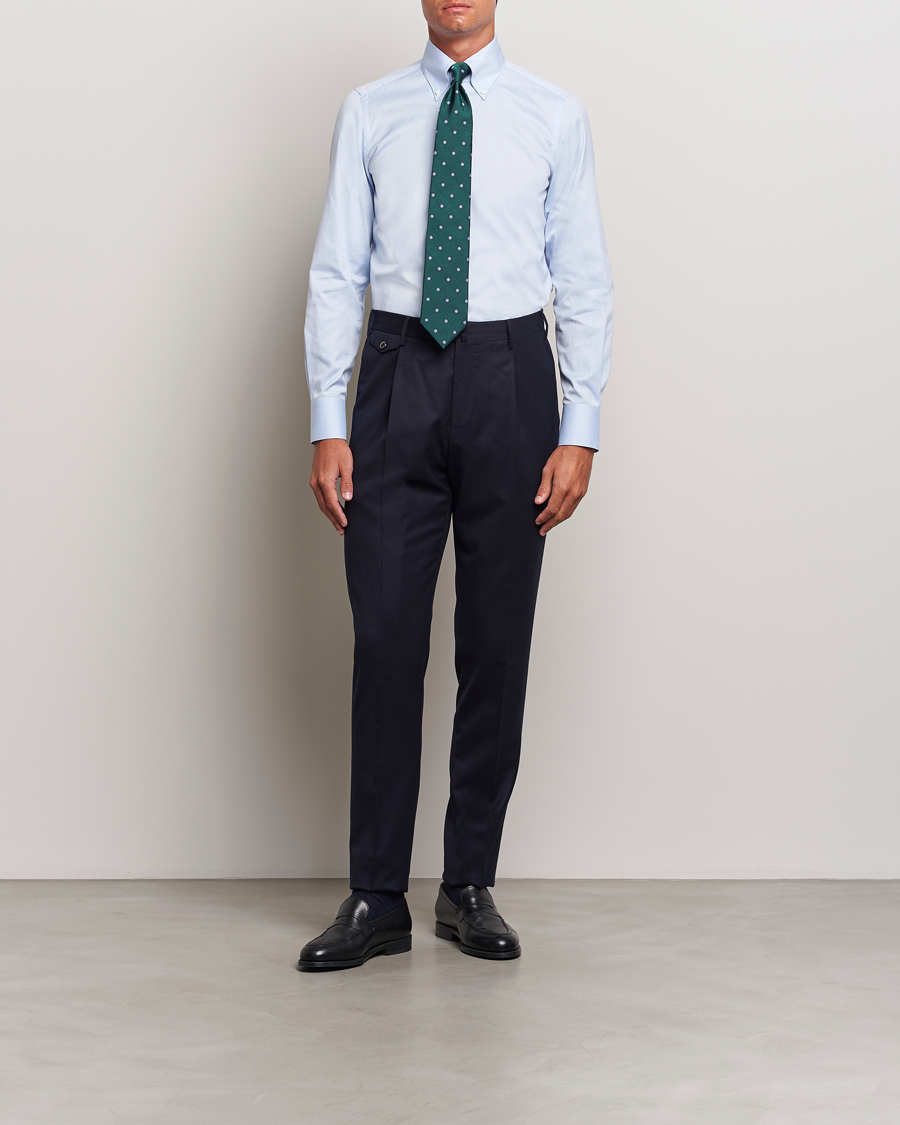
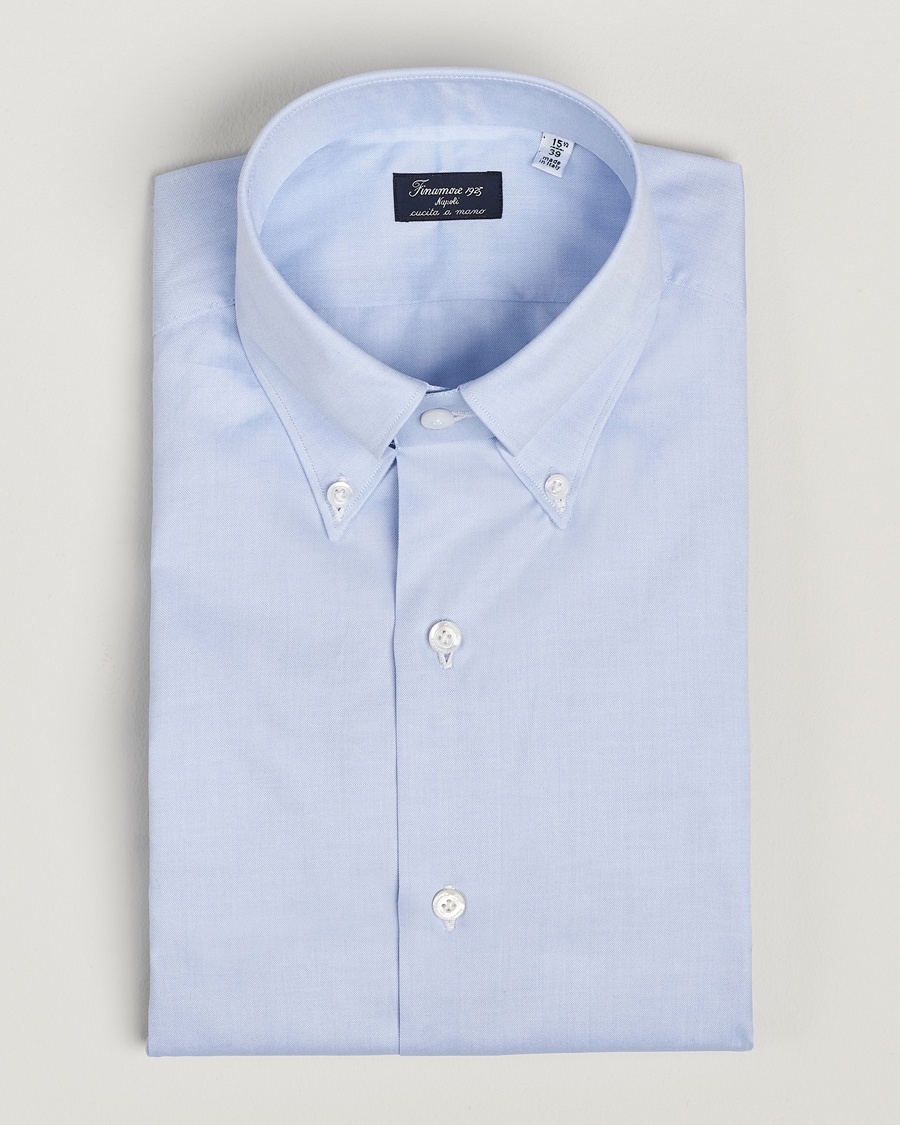
Finamore NapoliMilano Slim Oxford Button Down Shirt Light Blue
M
L
L
Regular price
285€
Reduced price
228€
The Man Behind the Myth
Gianni Agnelli, often referred to as "L’Avvocato," was much more than a business leader. As the head of Fiat and a central figure in post-war Italian industry, he became a symbol of an entire country's economic resurgence.
But his influence extended far beyond boardrooms. Agnelli moved as comfortably in political circles as he did in the art world and at Europe's most exclusive holiday resorts. He mingled with artists, designers, and royalty, and his style became a reference point for generations of well-dressed men. His wardrobe was a study in Italian elegance: tailored suits from Naples, perfect shirts, discreet yet thoughtful accessories.
And then there was the watch.

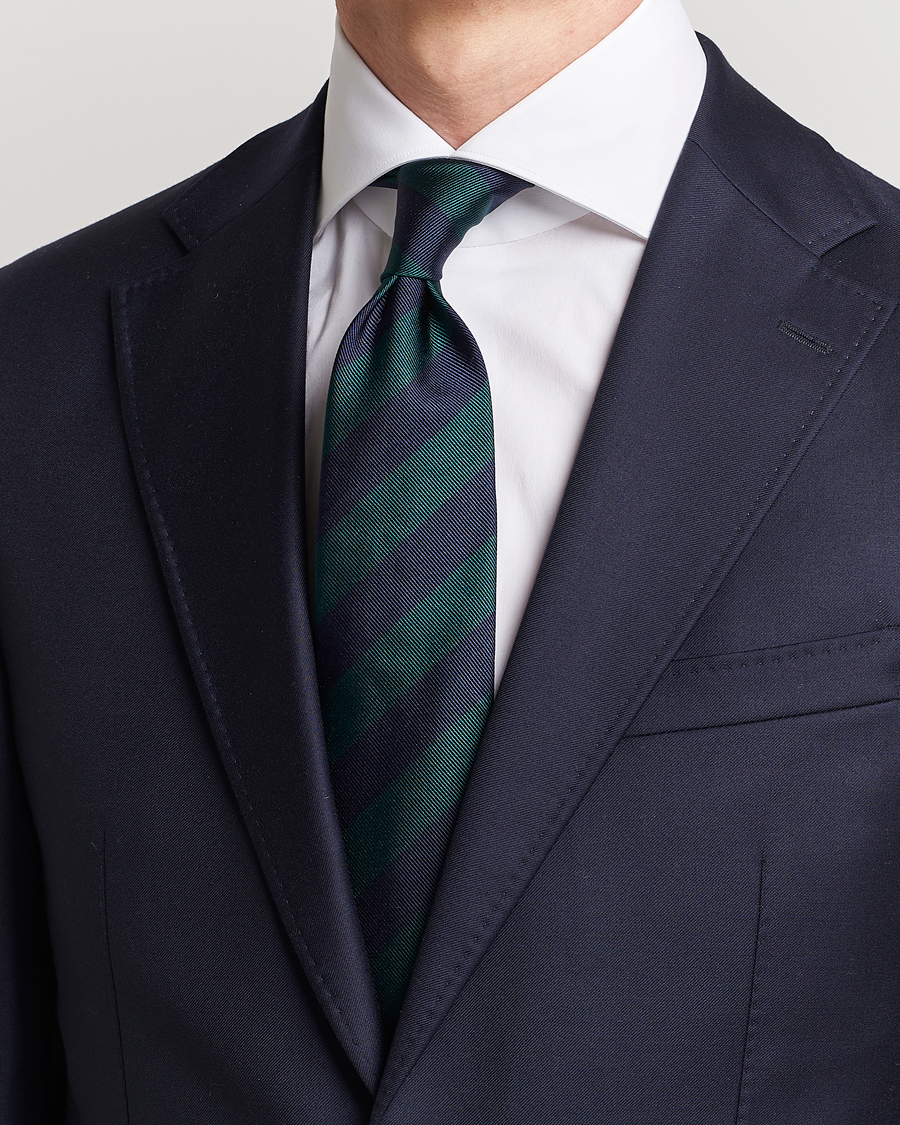
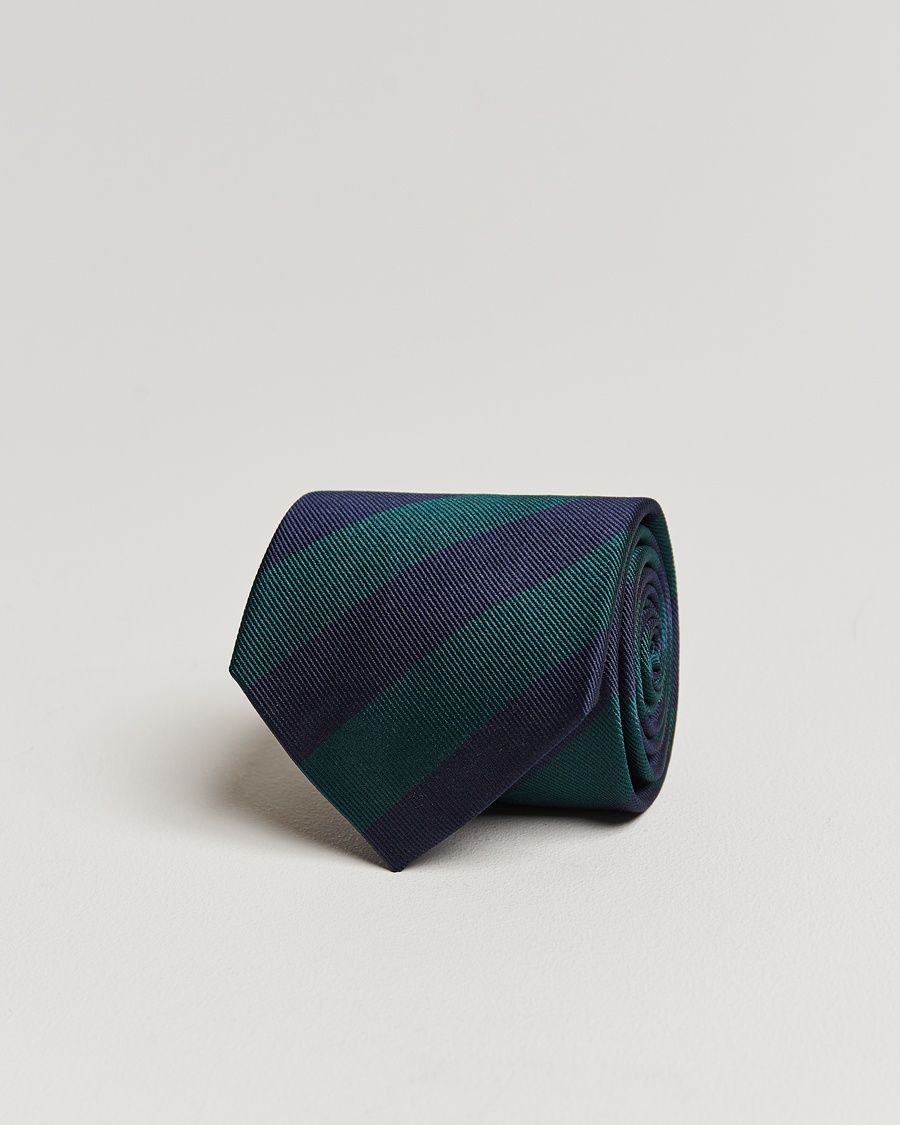
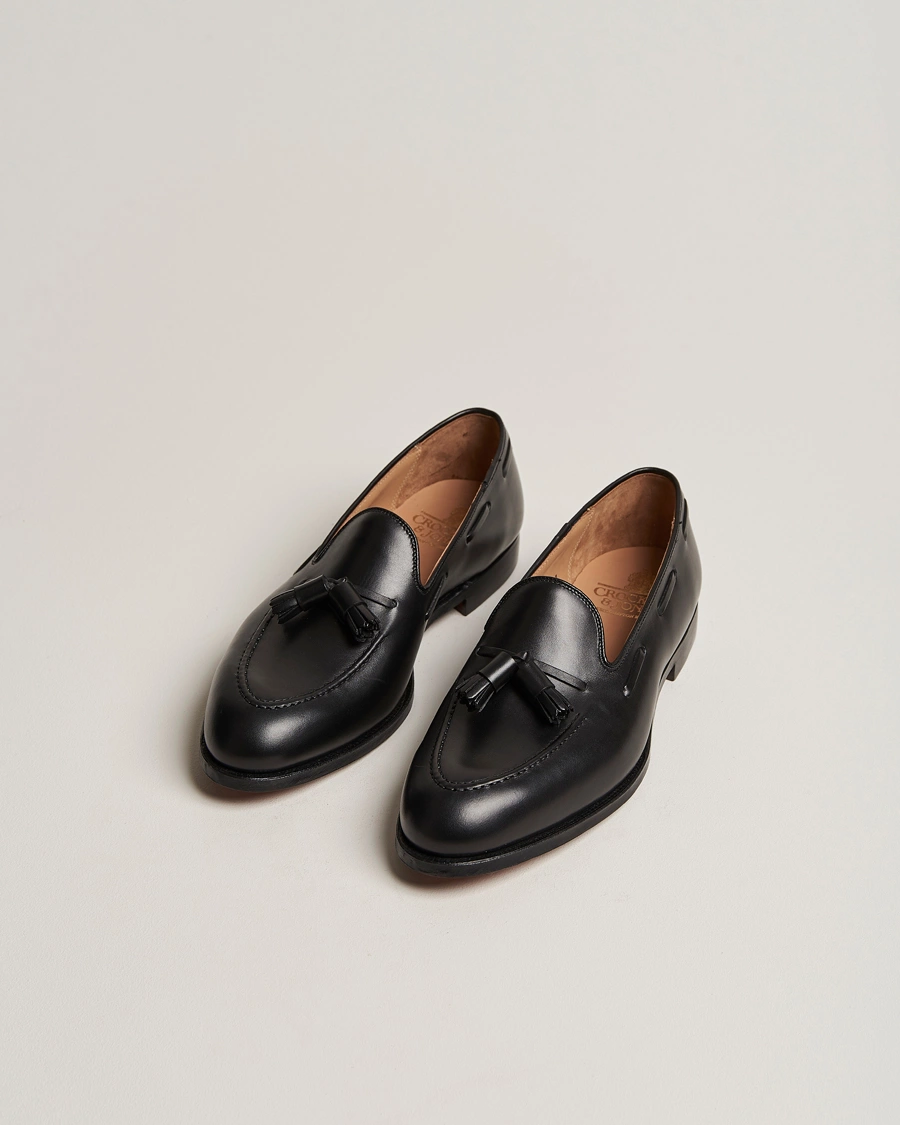
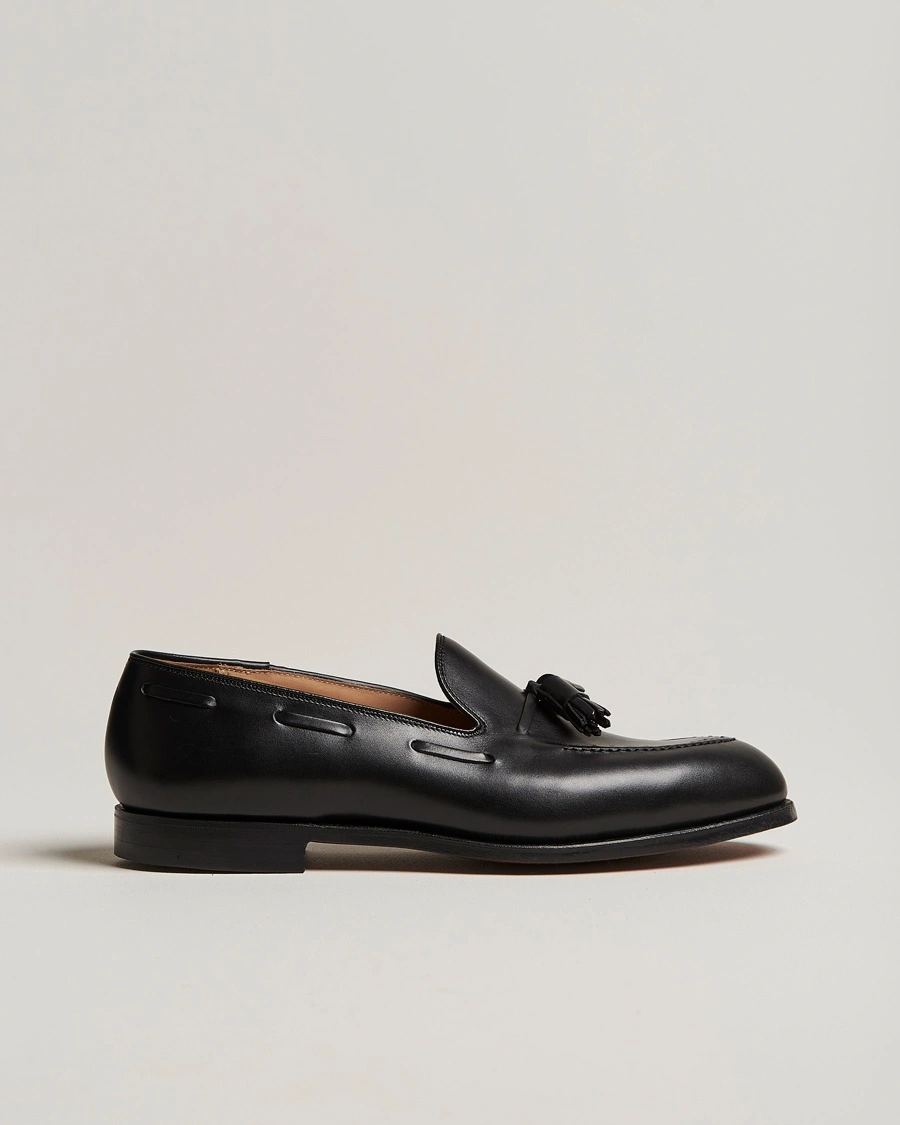
Crockett & JonesCavendish 2 Tassel Loafer Black Calf
41
41,5
42
42,5
UK9.5 - EU43,5
44
UK10.5 - EU44,5
715€
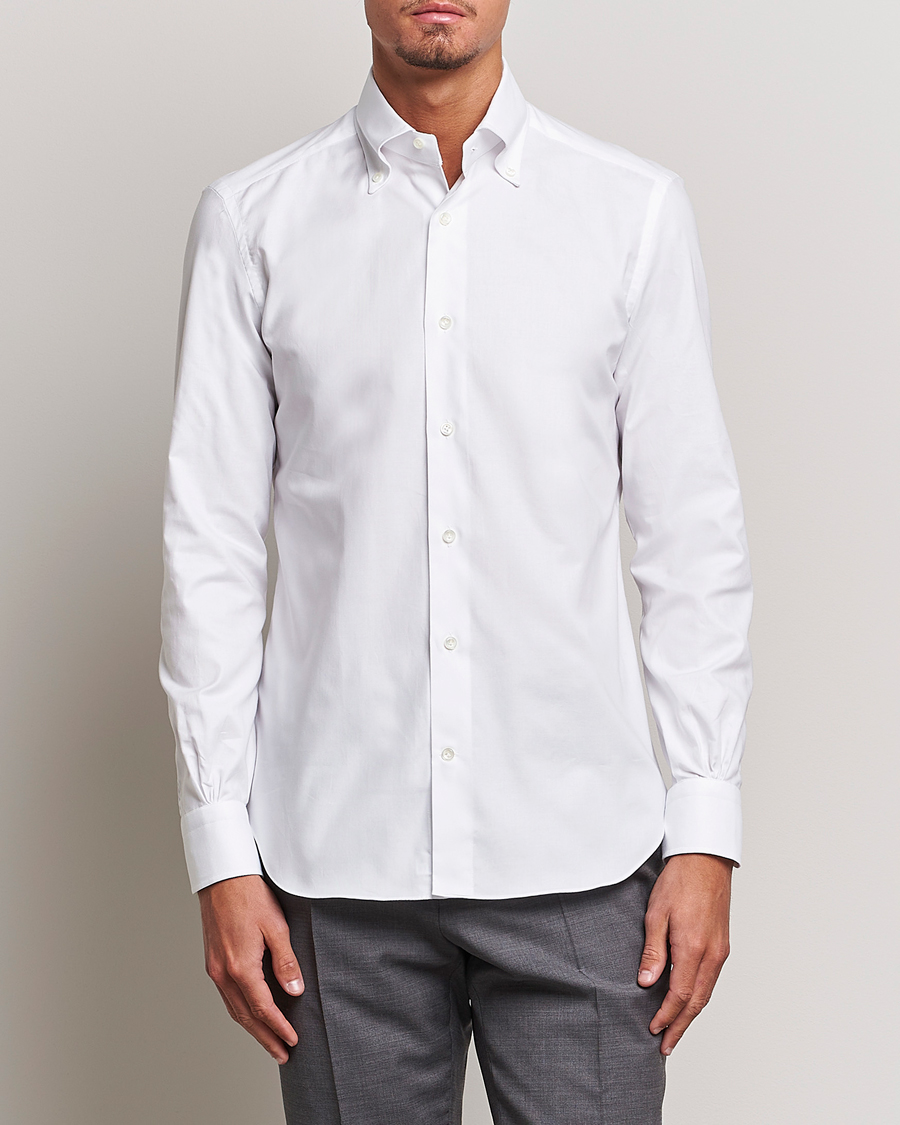

A Rule That Never Existed
In classic menswear, there is a long list of unwritten rules. The shirt cuff should cover the watch. The watch should discreetly peek out when the arm is bent.
Agnelli did the opposite. He strapped the watch on top of the cuff, so that it was clearly visible above the shirt. Images from the 1970s and 80s show him time and again with the watch placed where few others would even consider wearing it.
Why?
The answer is, as is often the case with Agnelli, both practical and symbolic.
According to some stories, he started doing it to avoid the cuff getting wrinkled when he checked the time. Others suggest it was simply a spontaneous gesture – something that felt right in the moment and then became a habit. But regardless of its origin, the result became something more than just a practical trick. It became a style statement that we look back on 50 years later.
Watches with Character
Agnelli was never a collector in the modern sense. He didn't chase rare references or discuss movements. But he wore watches with personality.
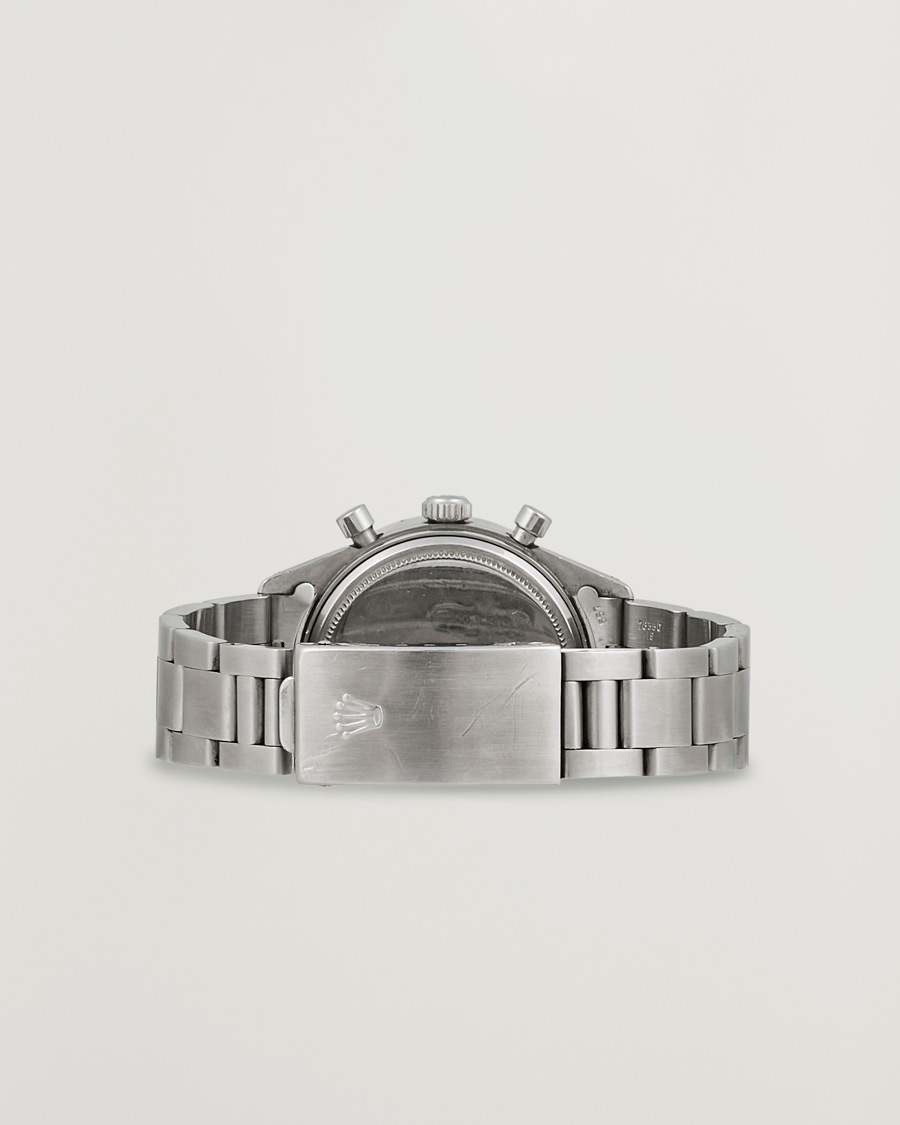
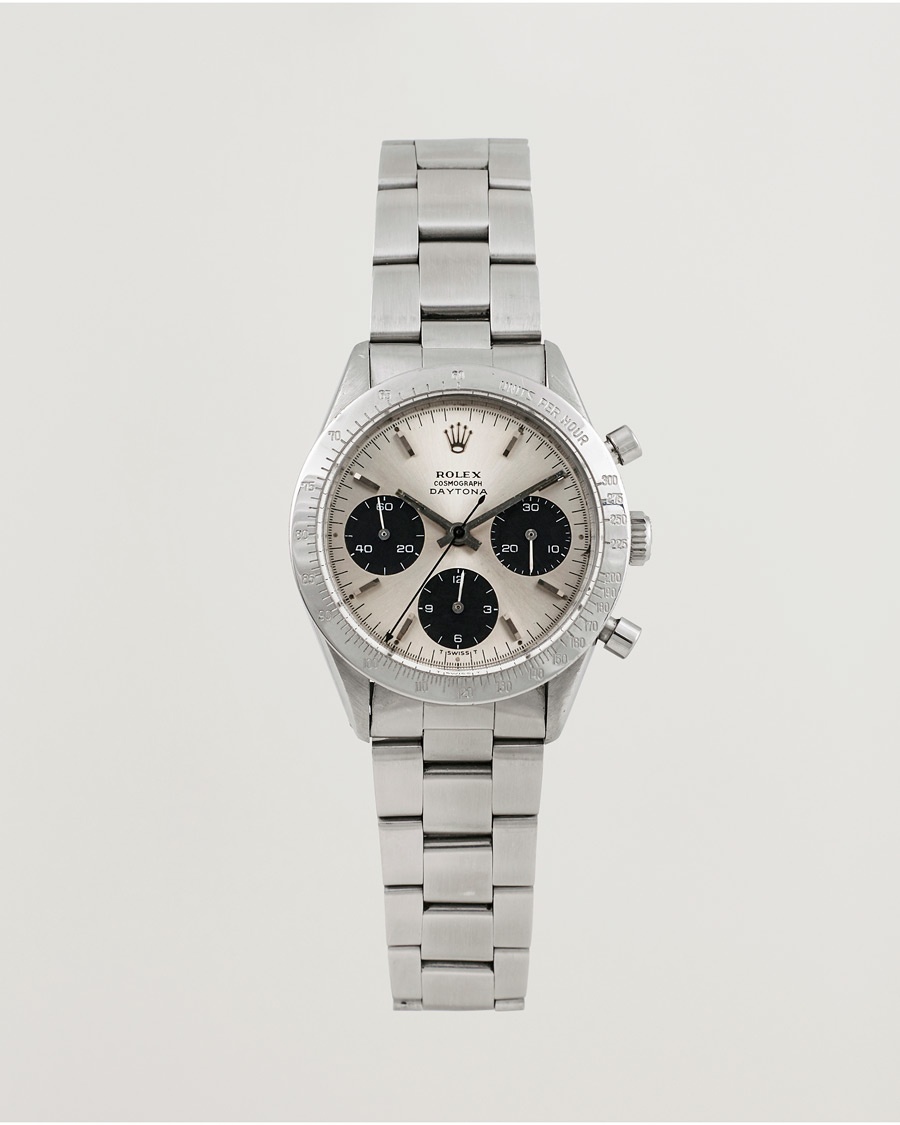
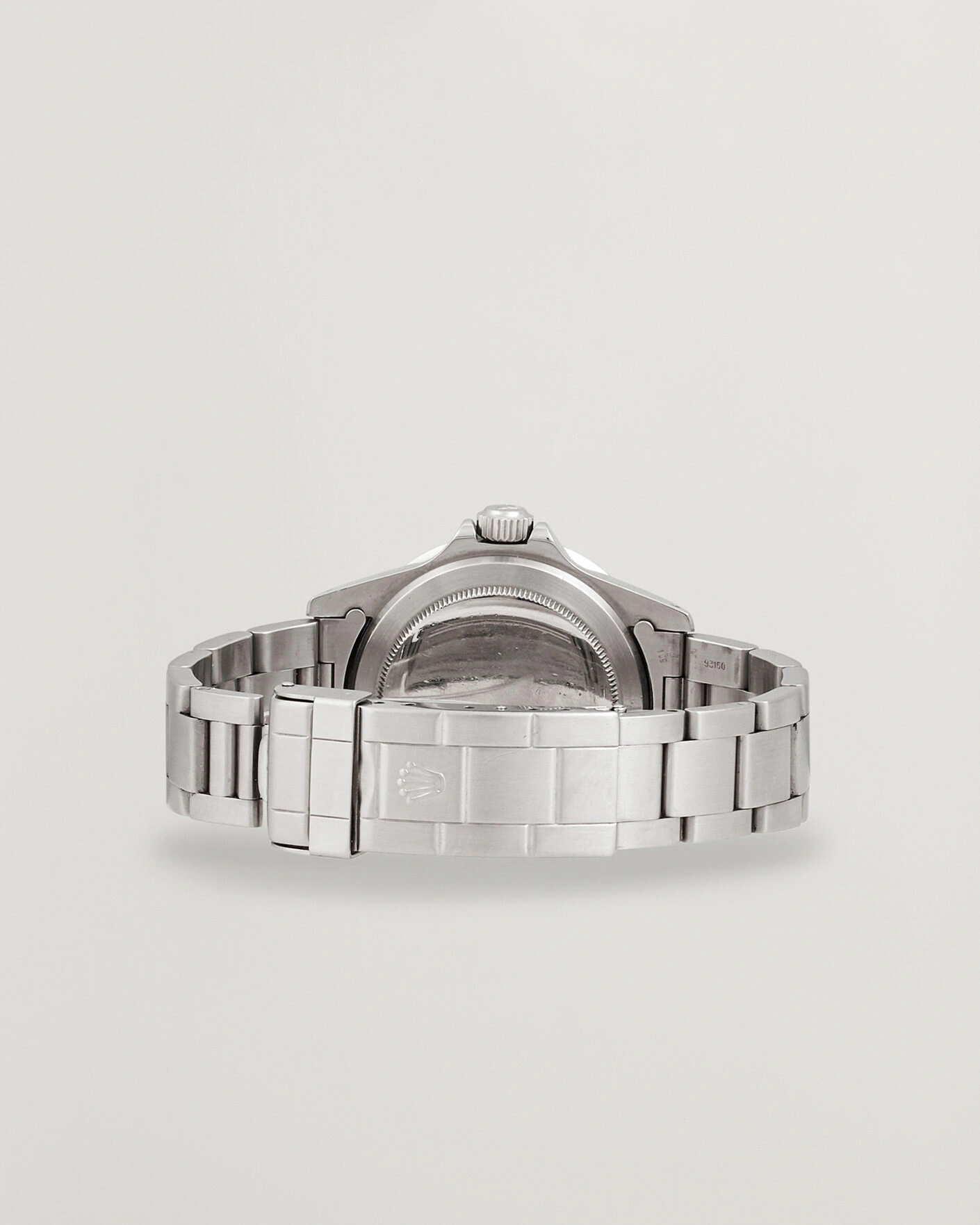
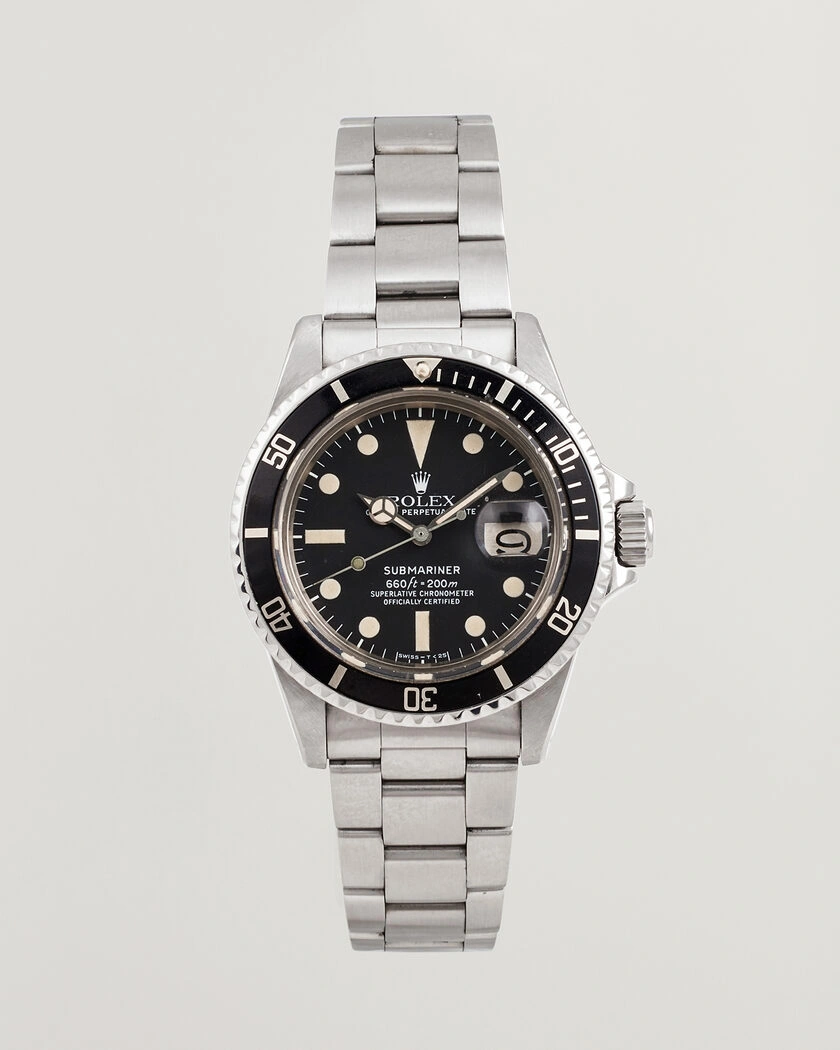
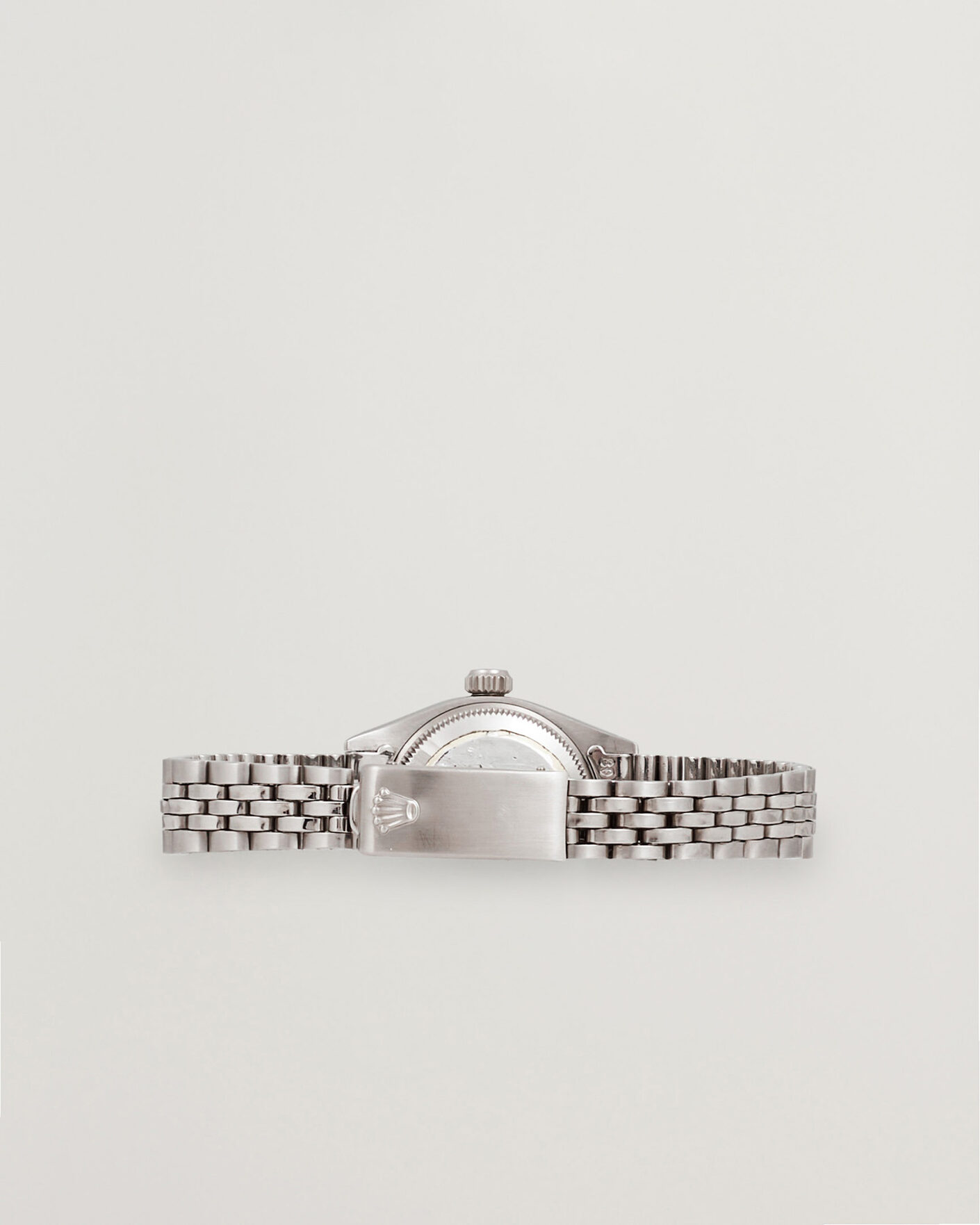
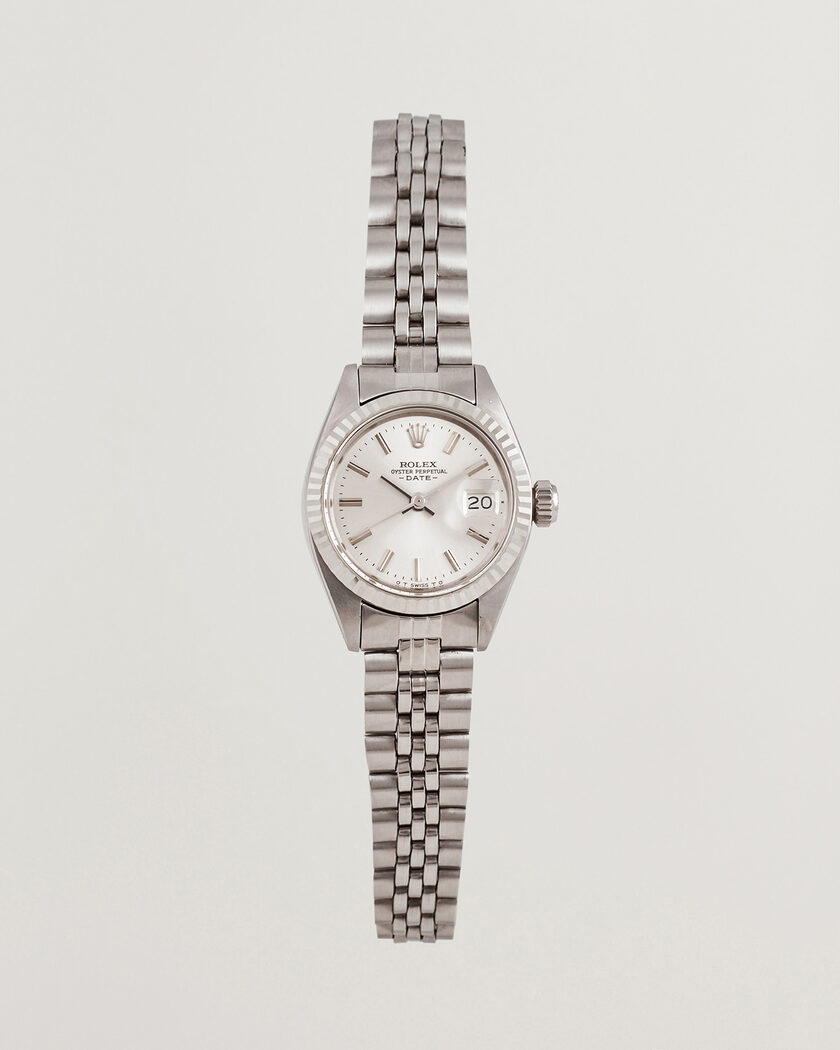
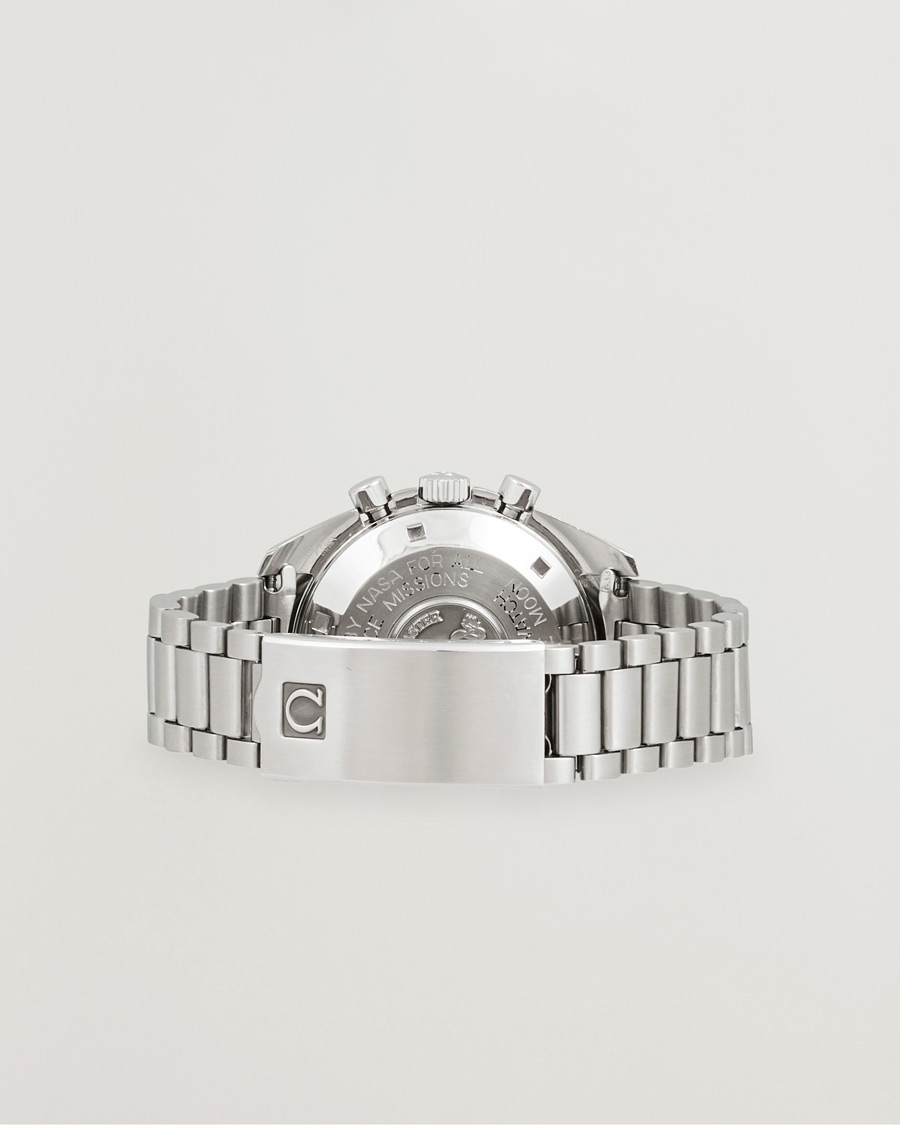
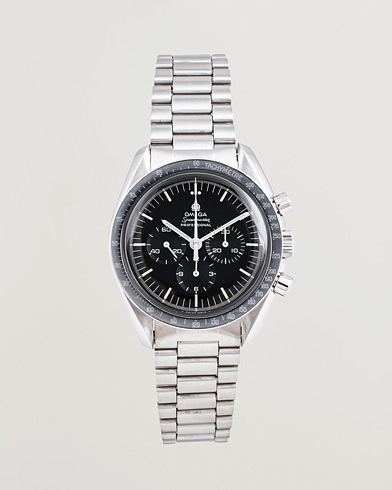
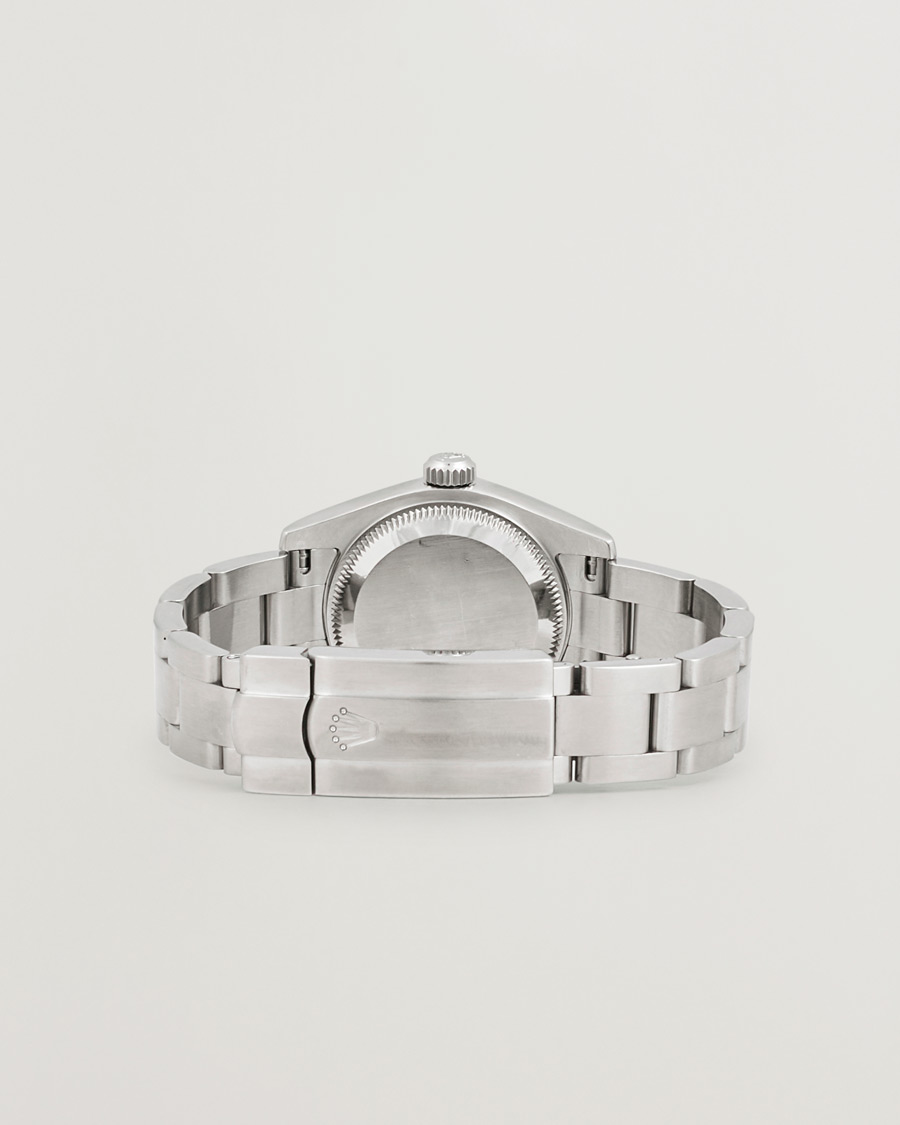
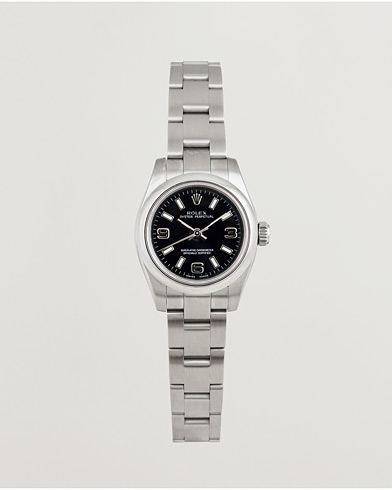
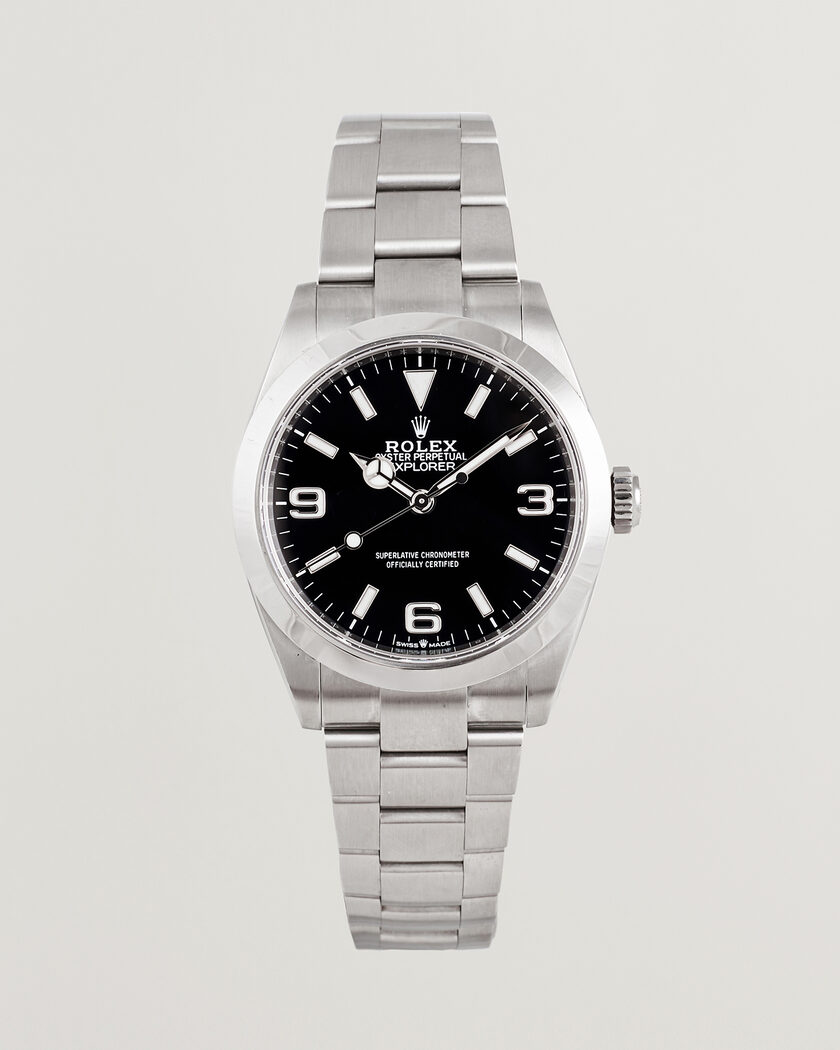
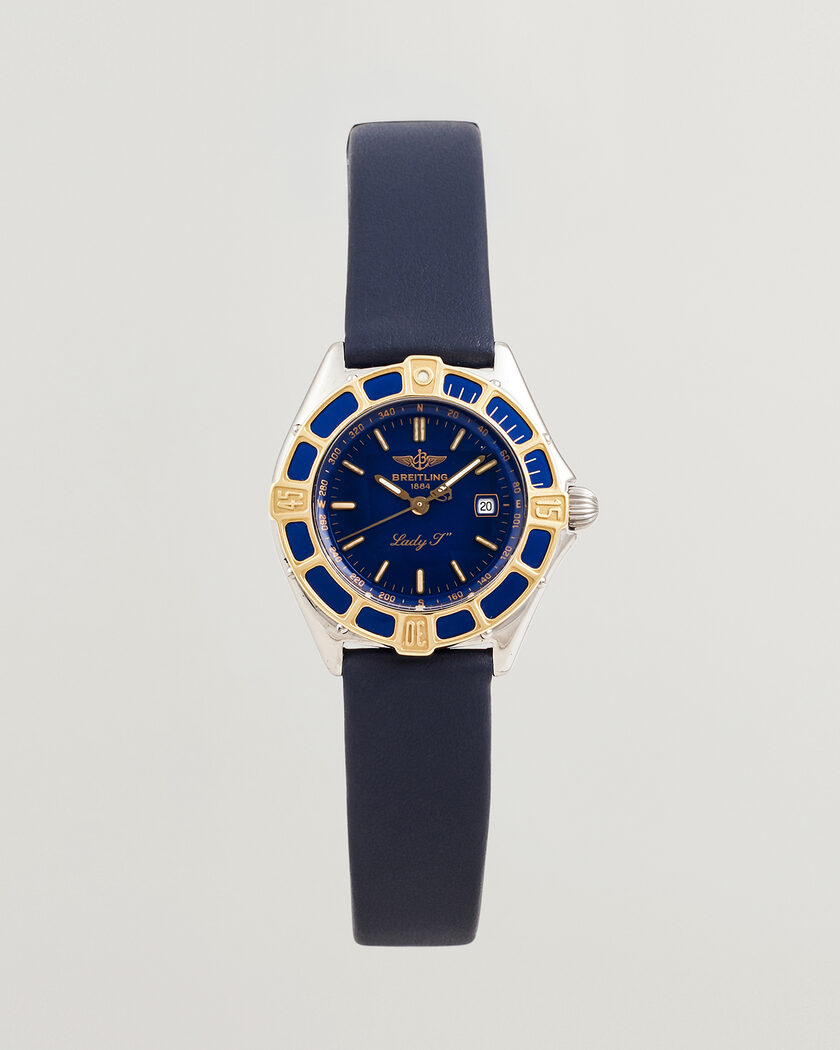
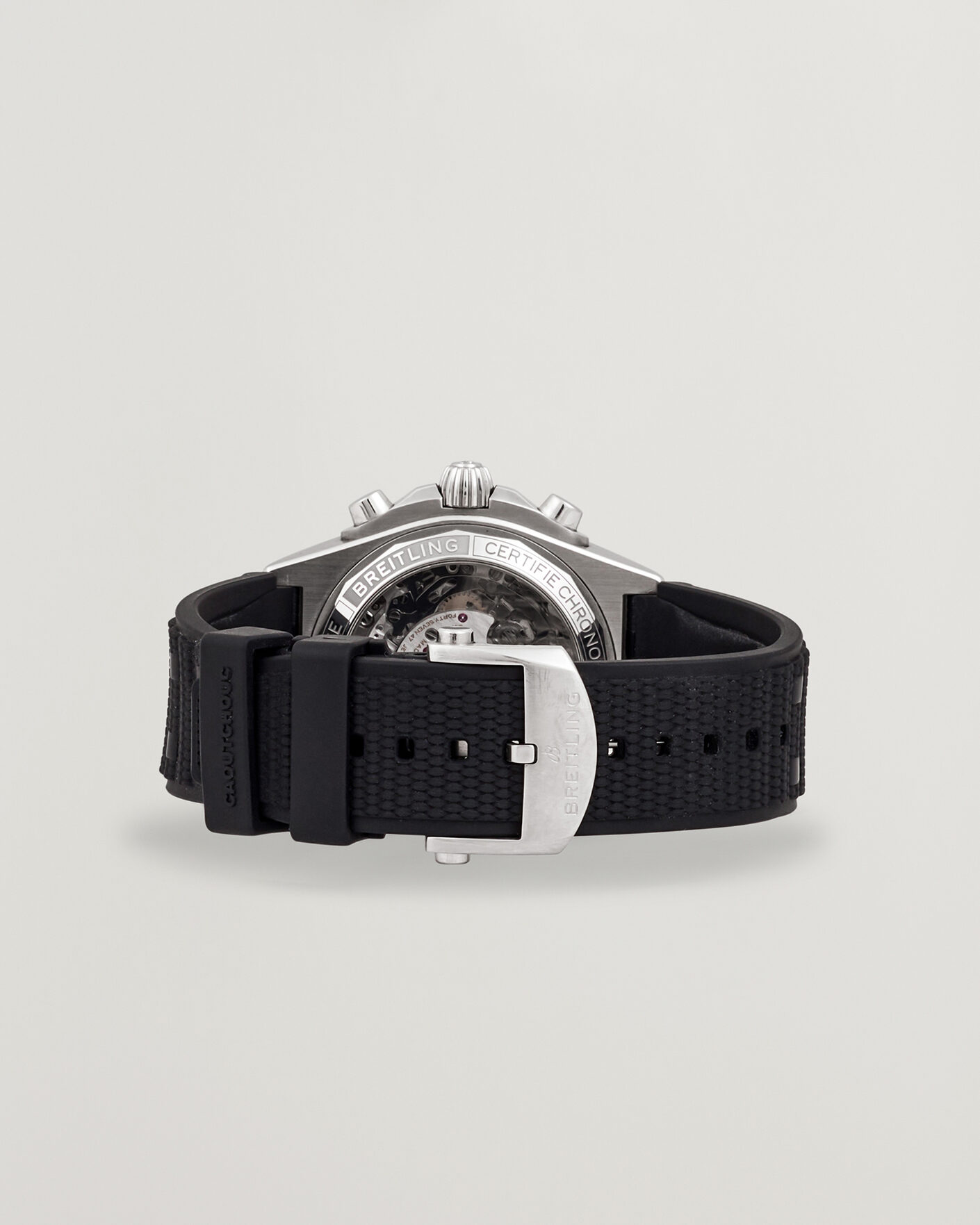
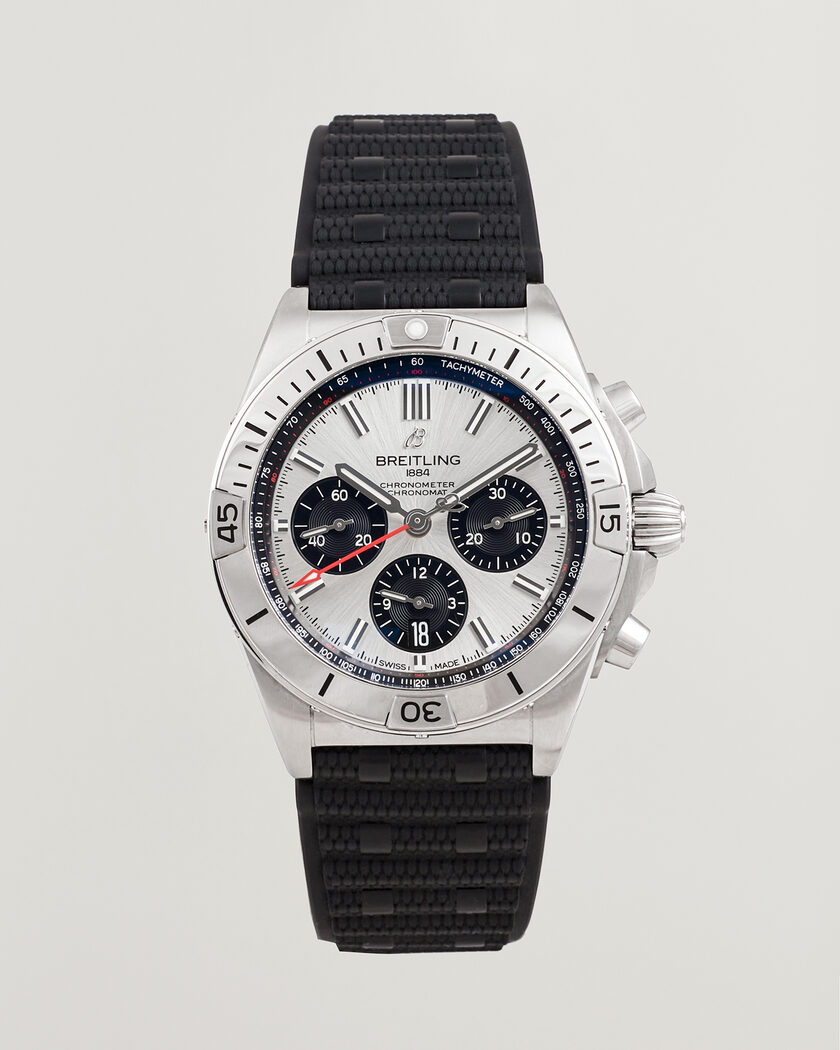
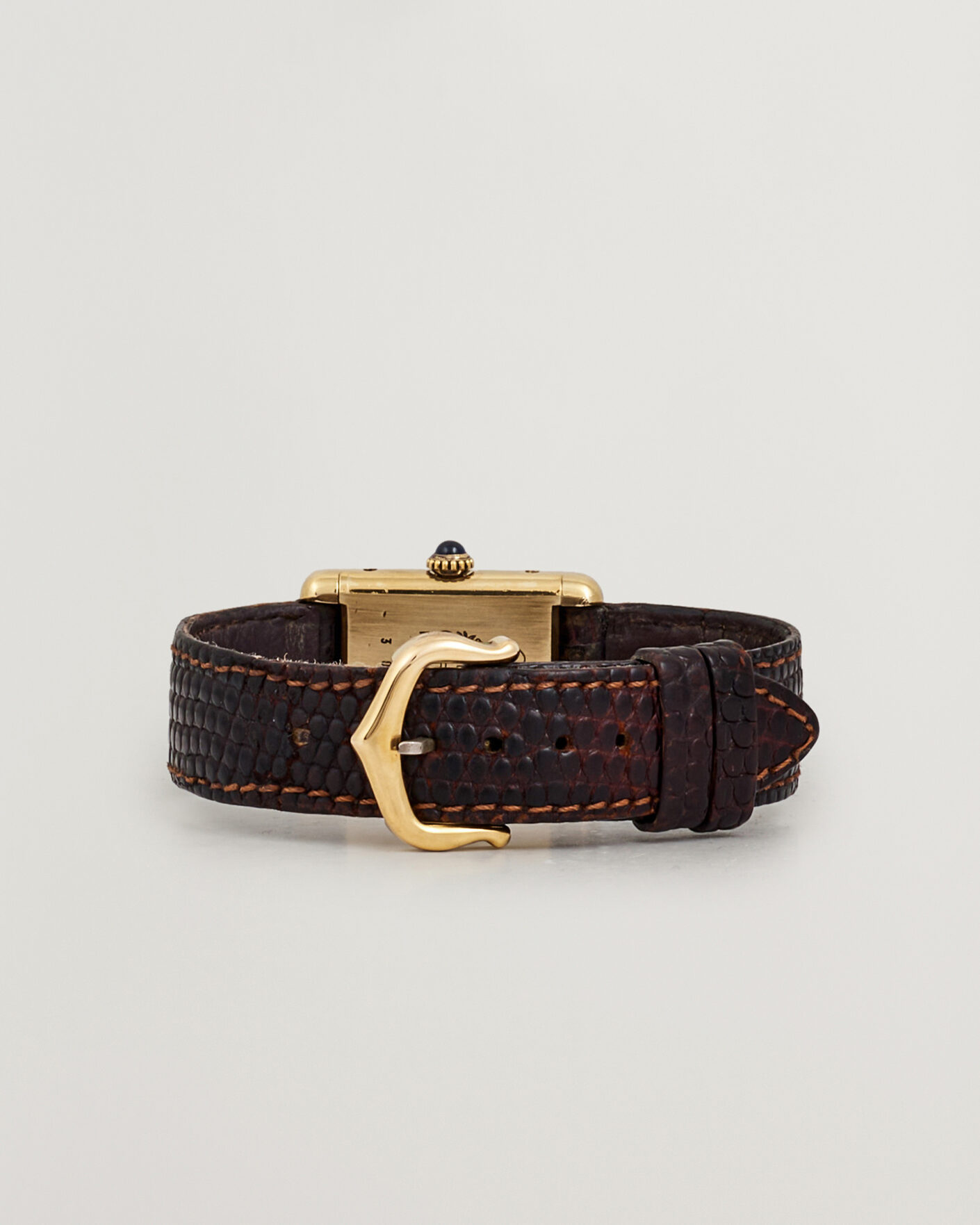
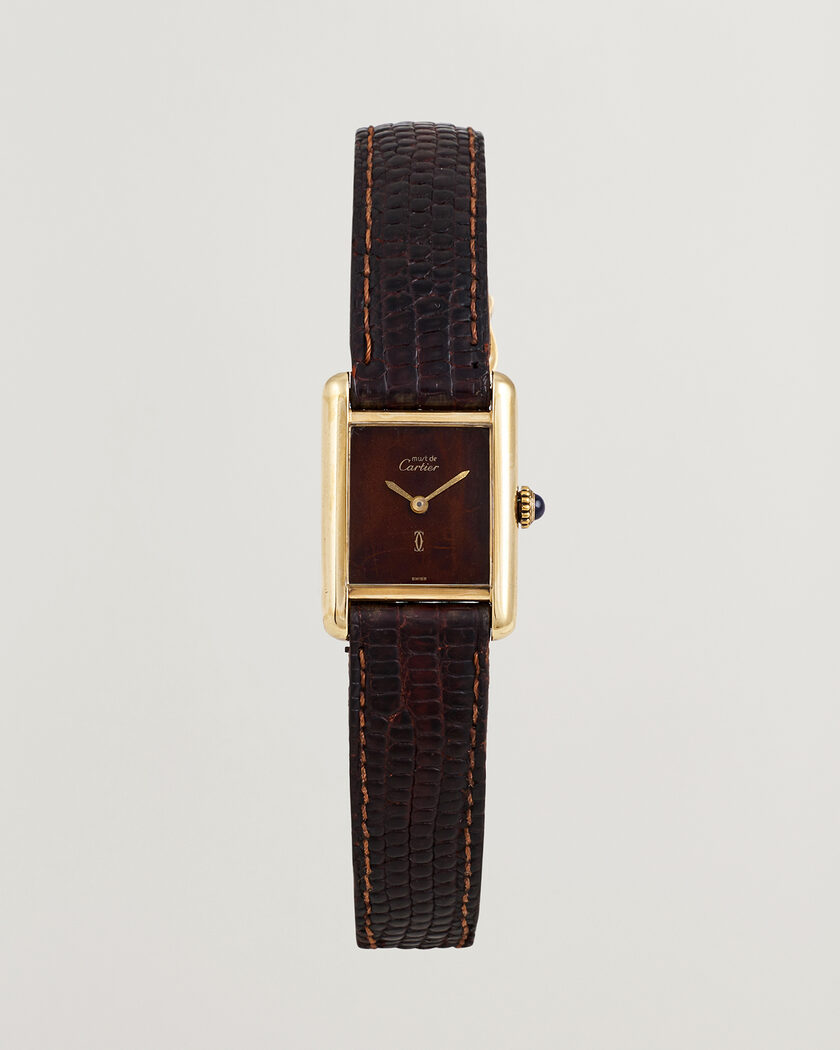
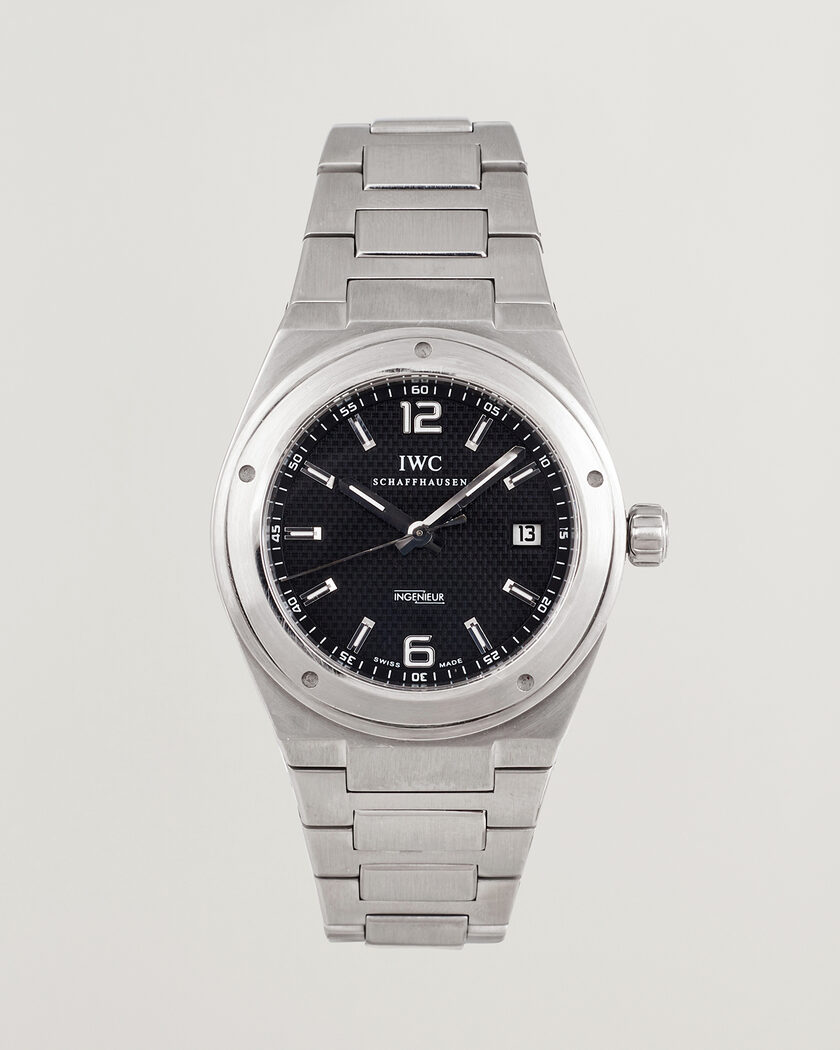
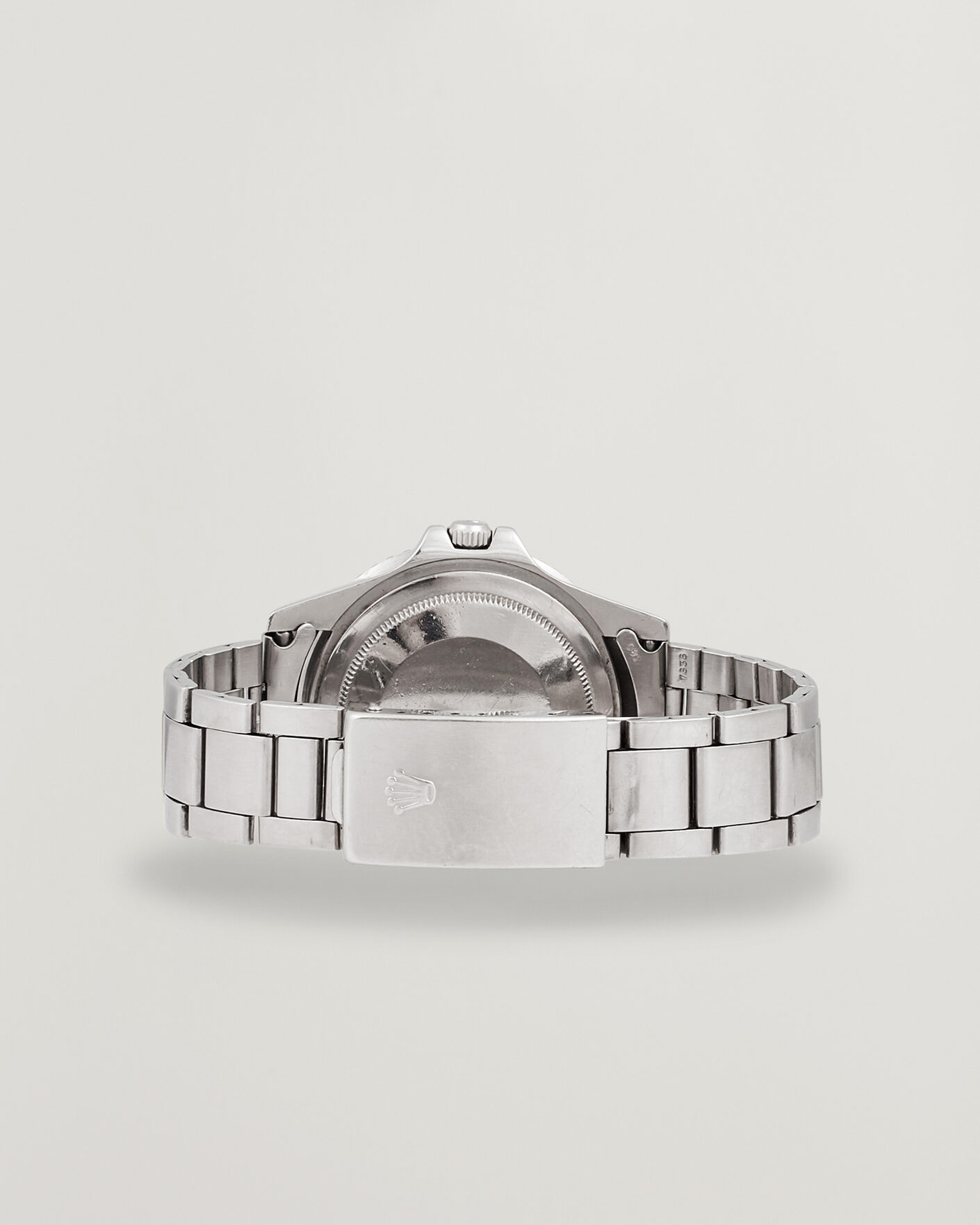
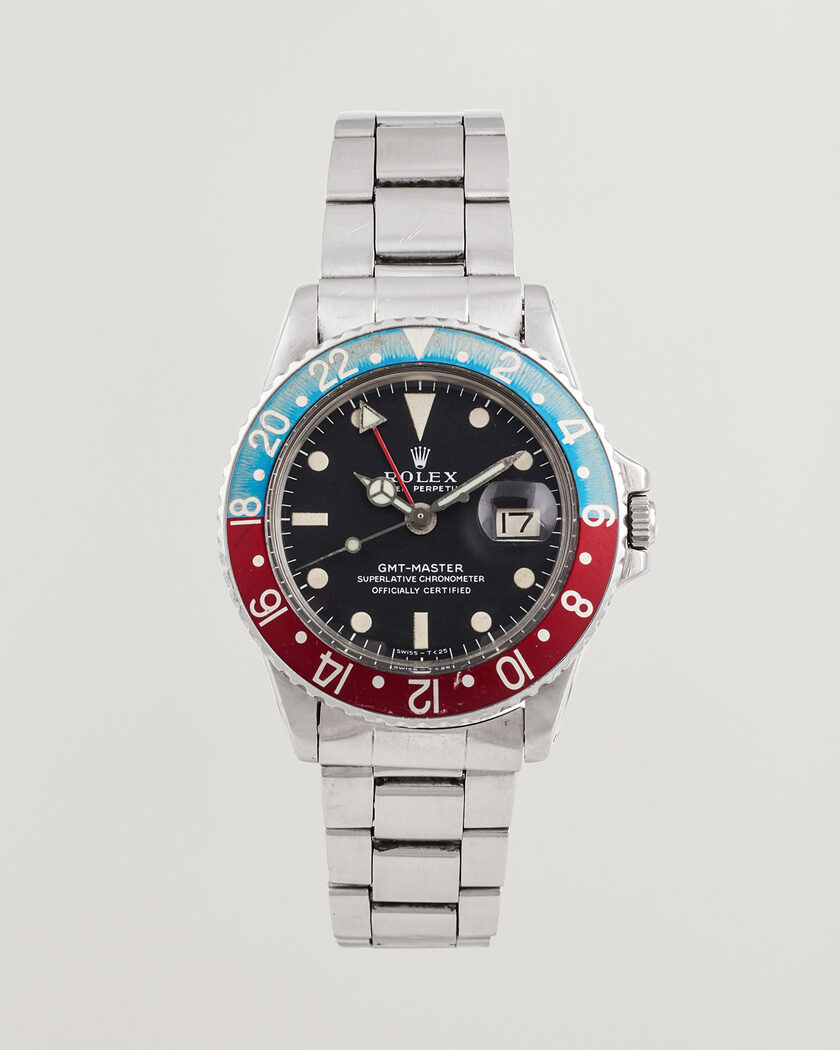
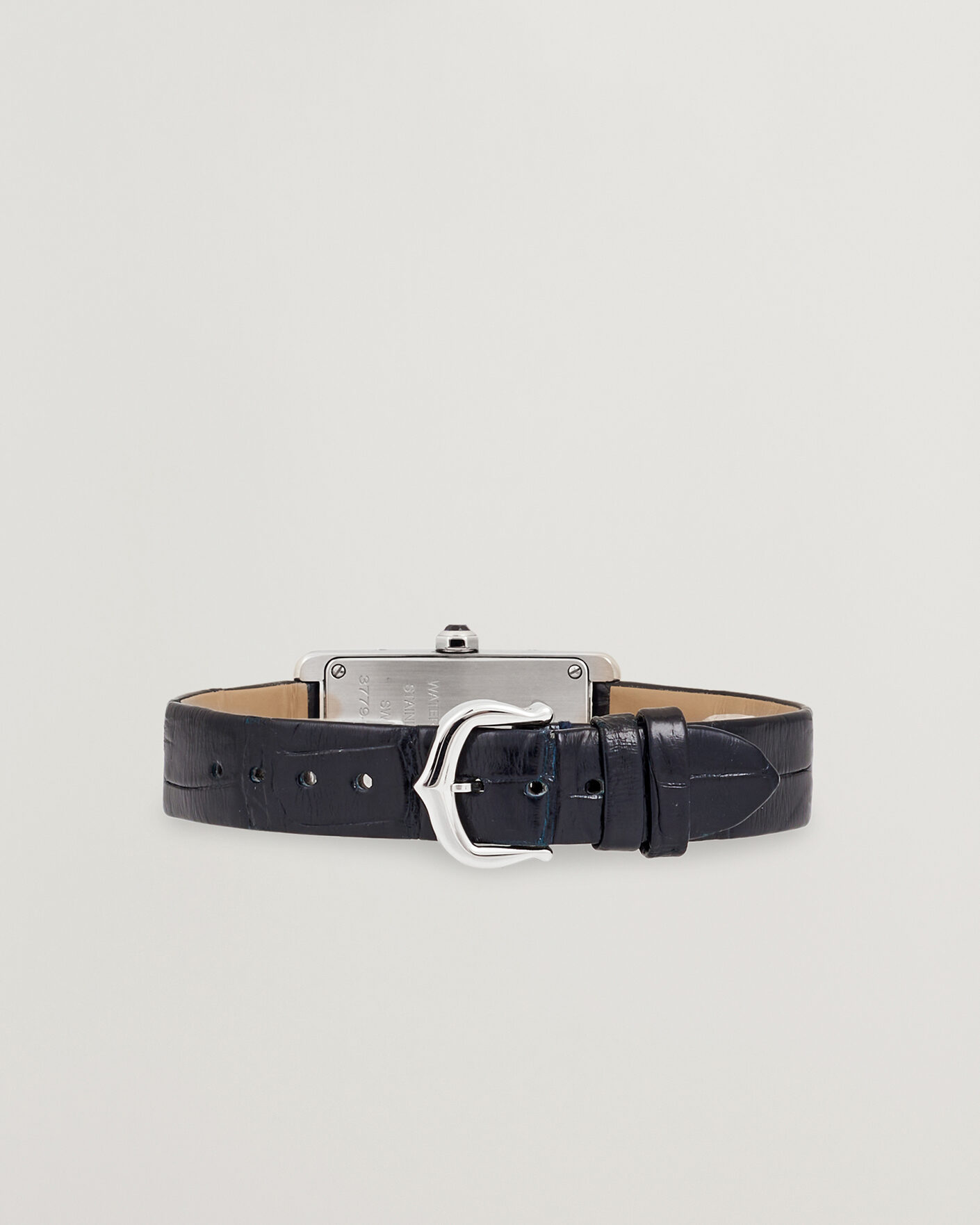
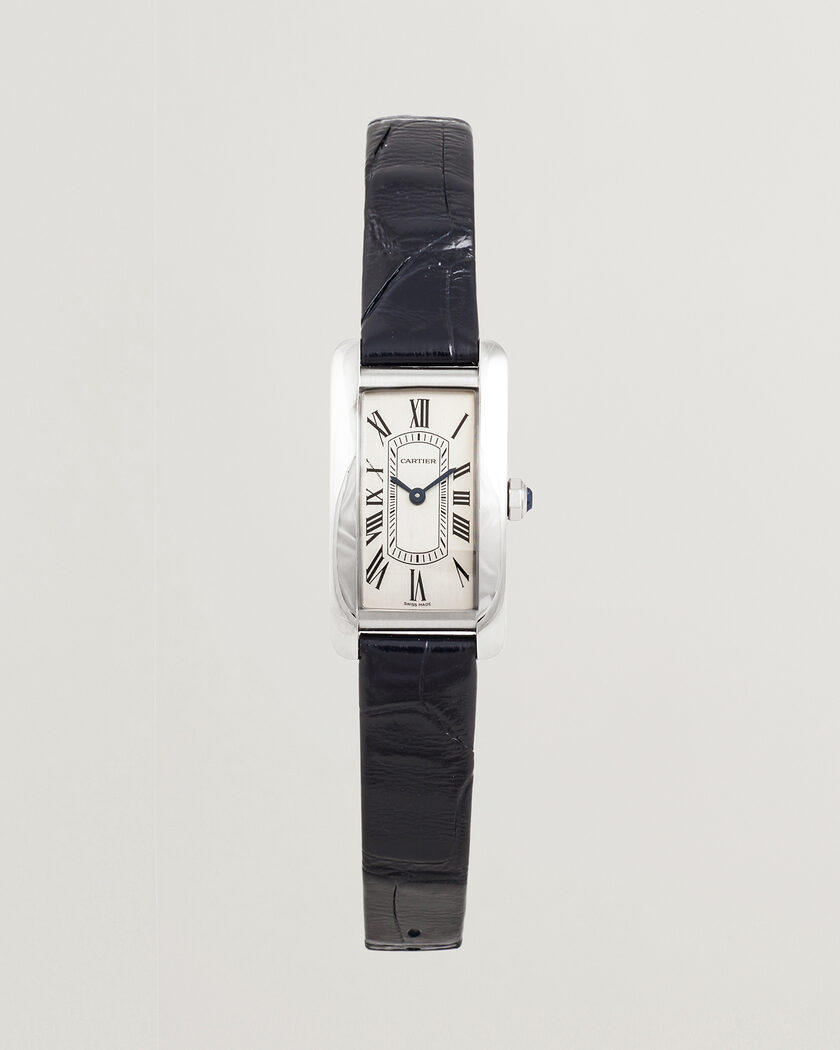
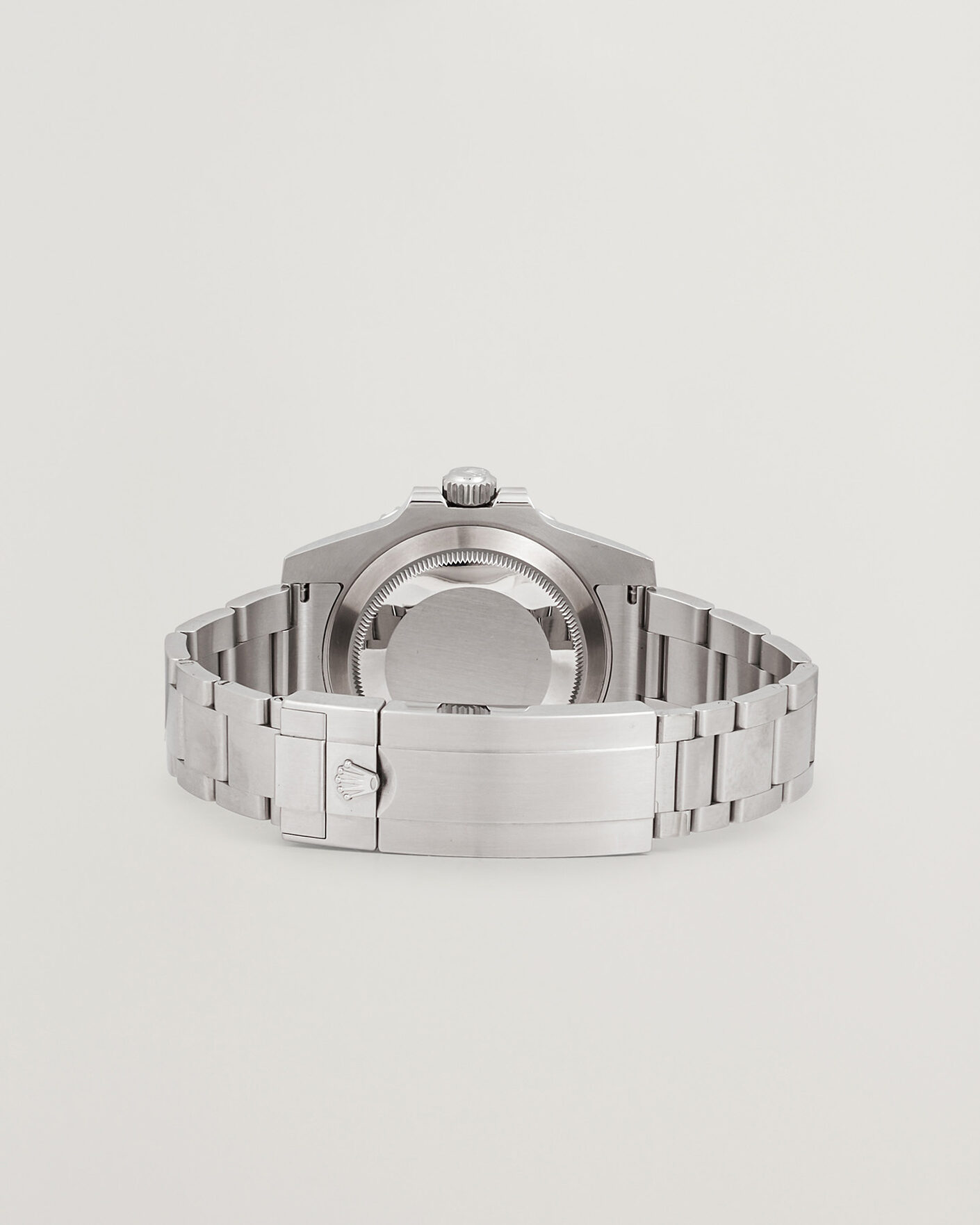
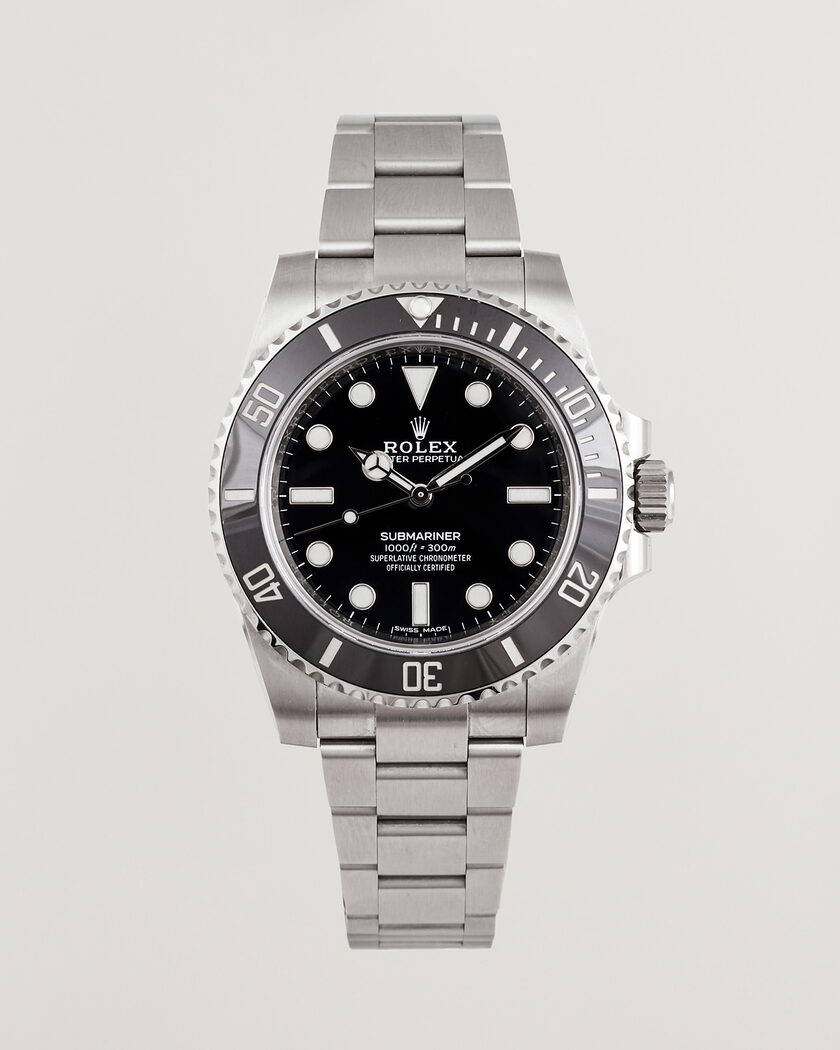
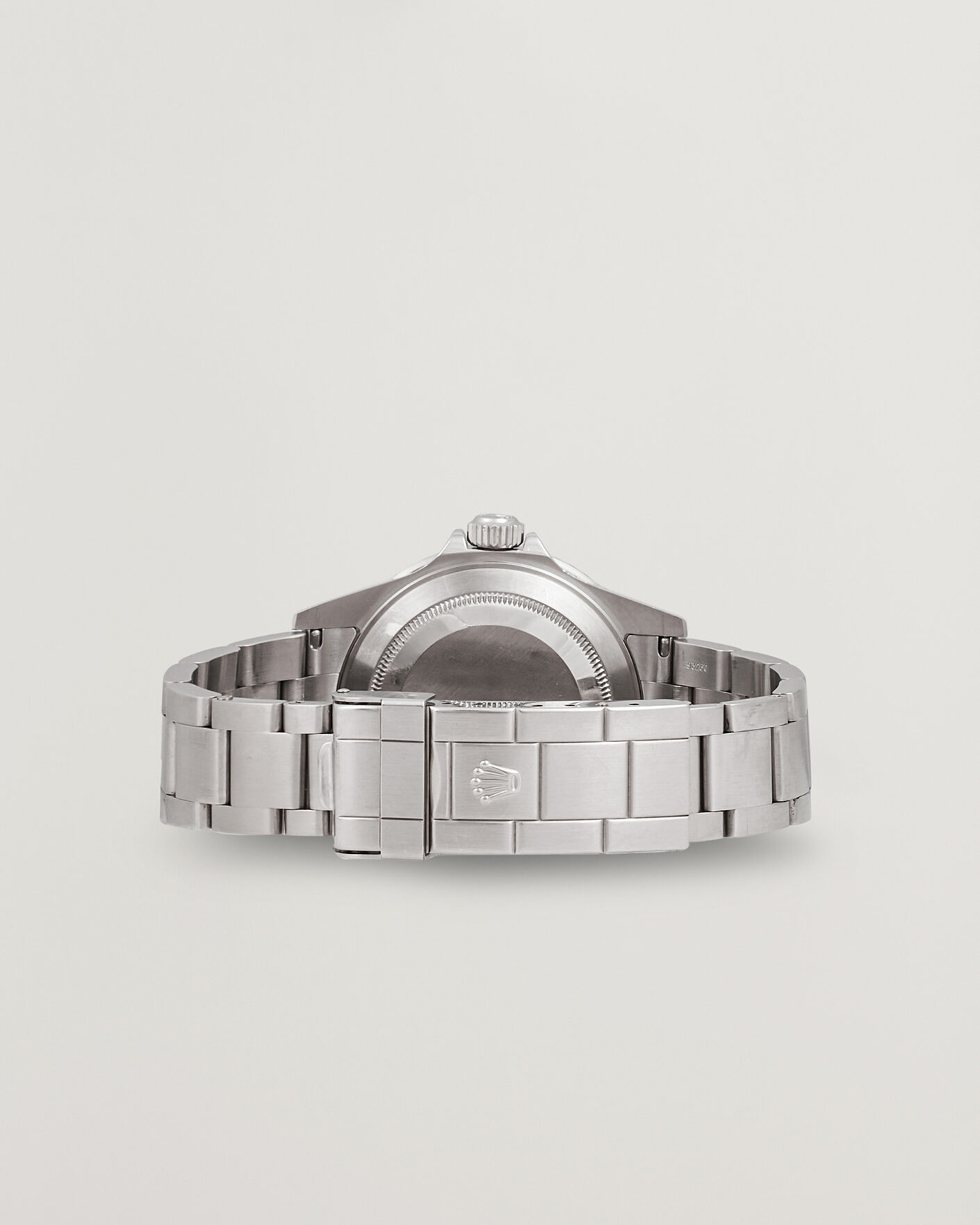
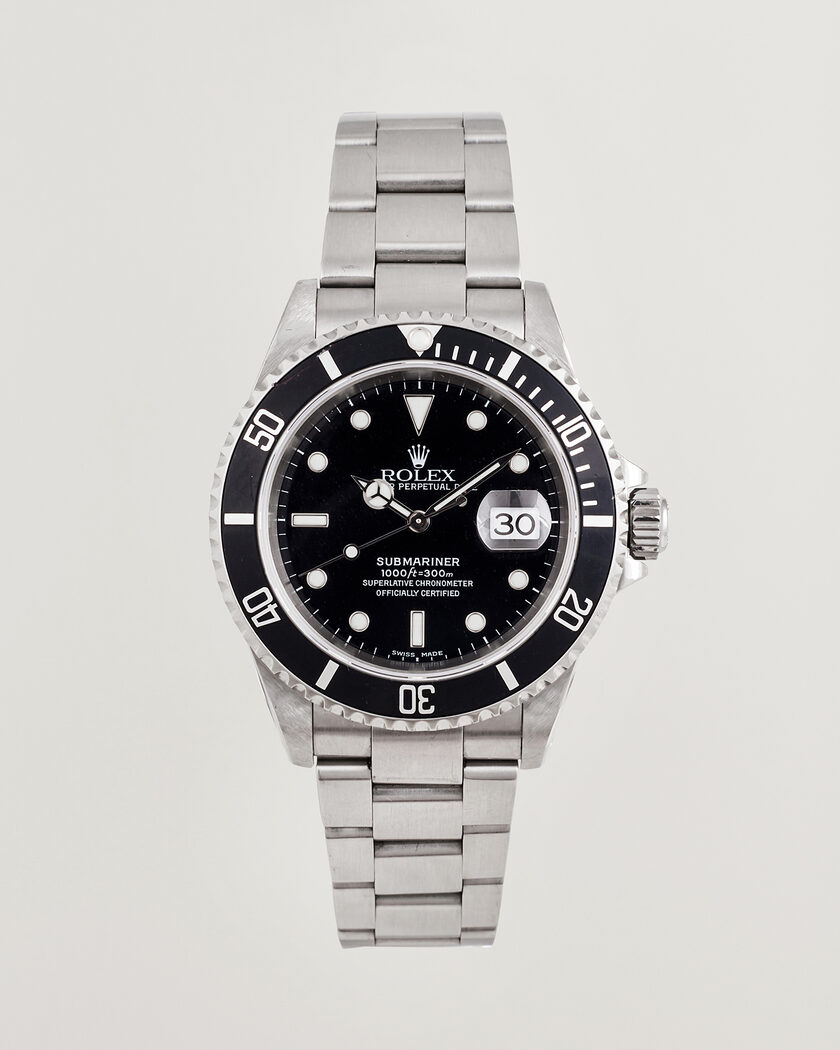
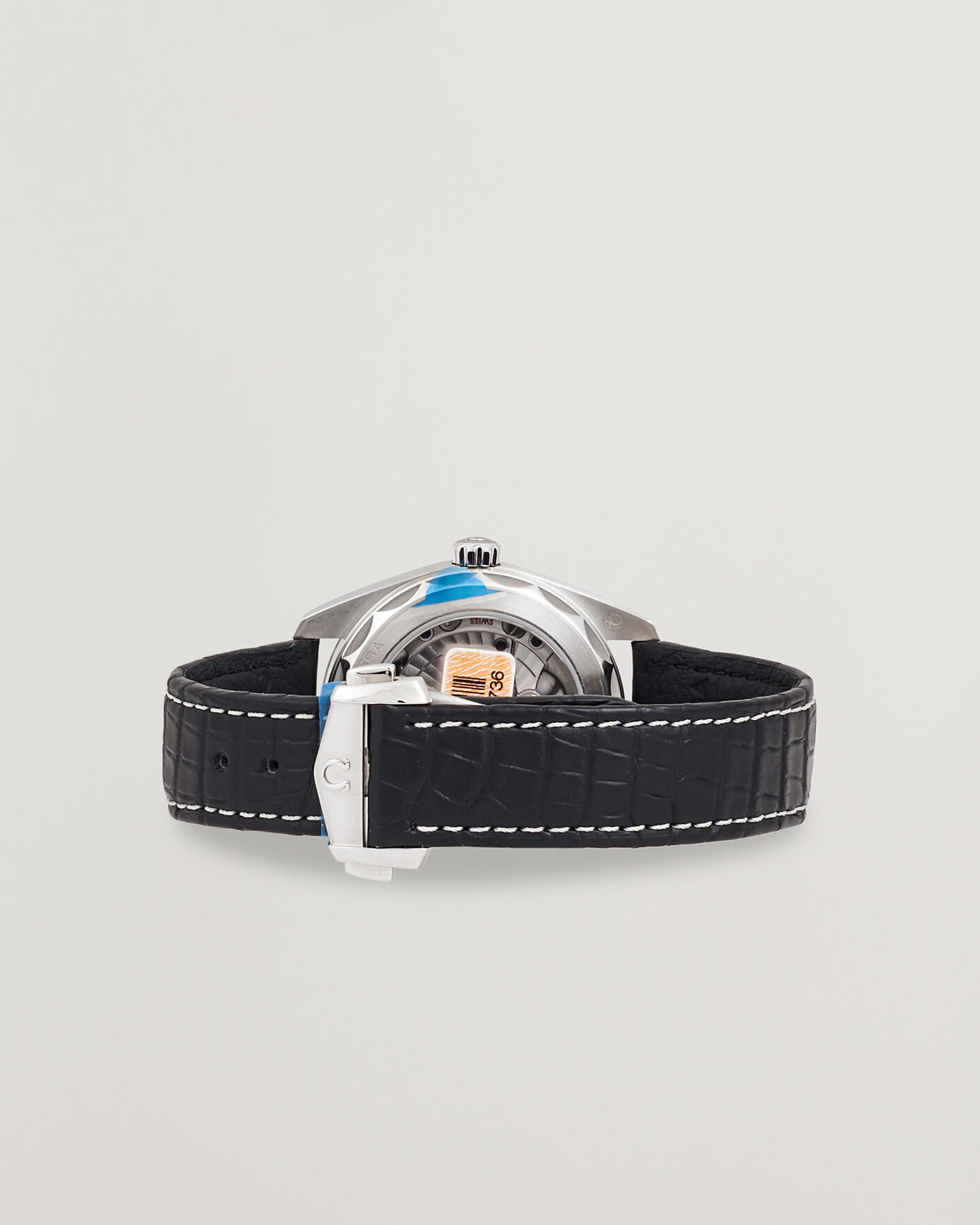
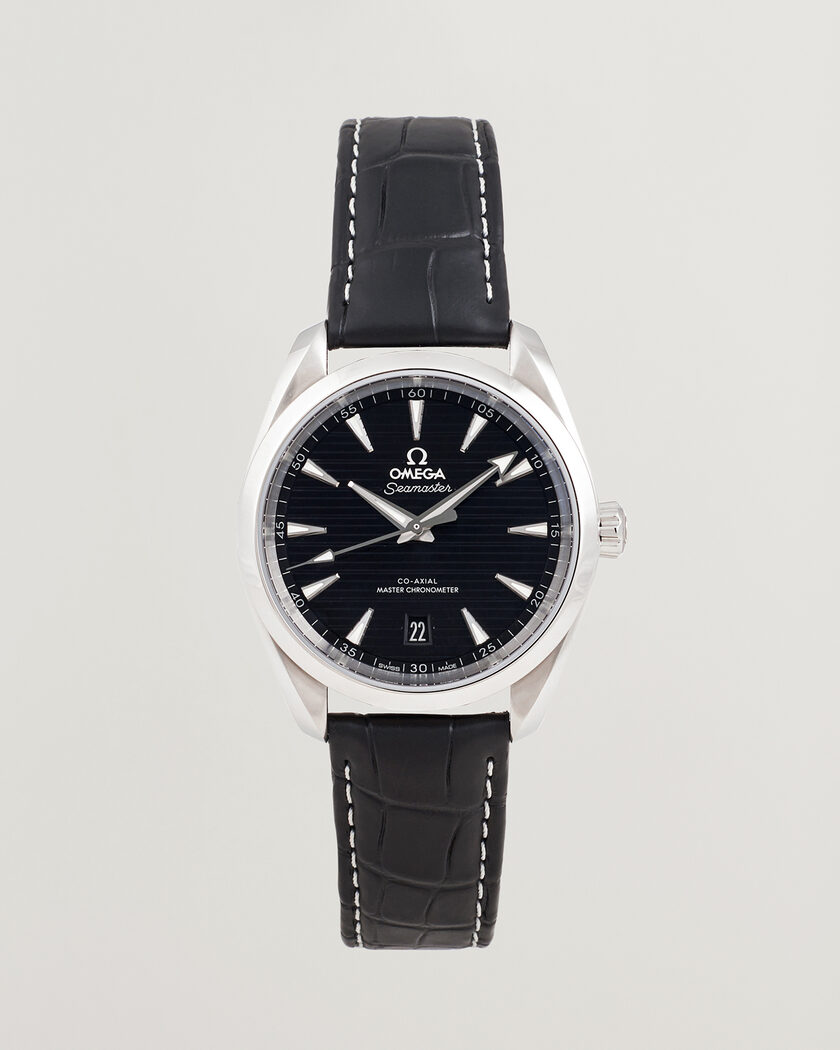
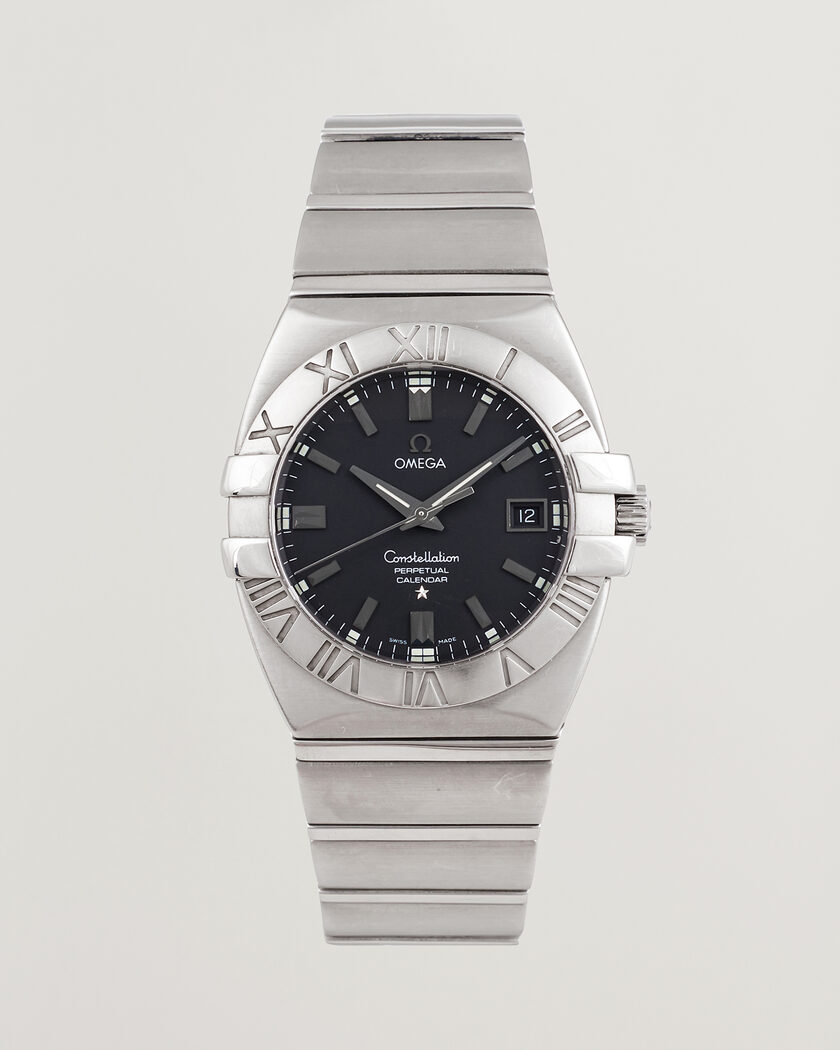
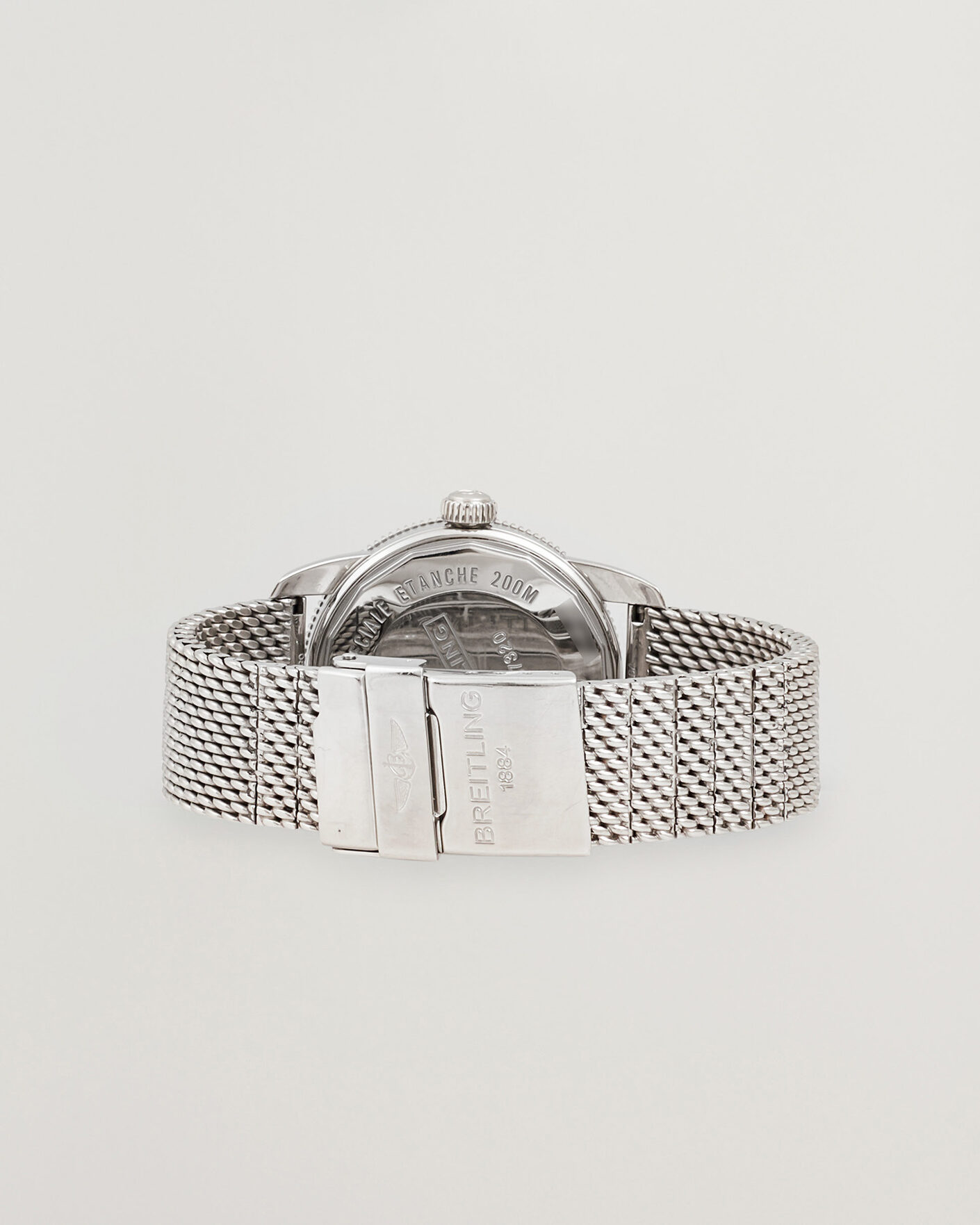
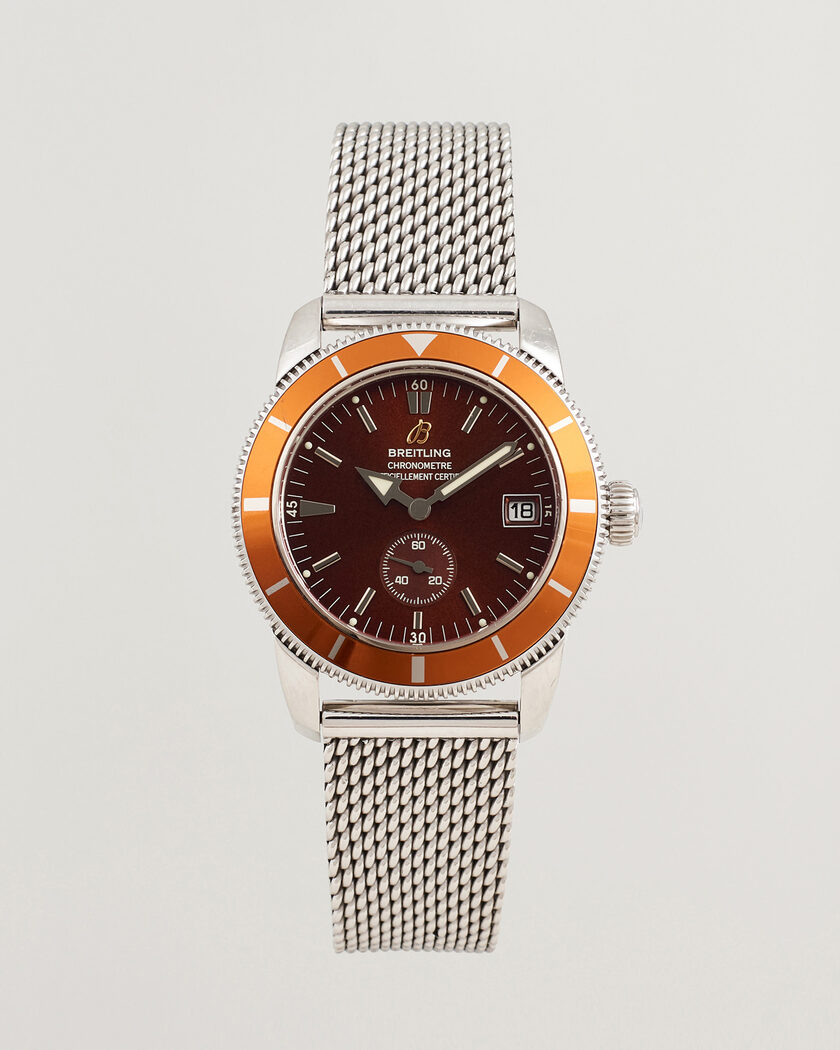
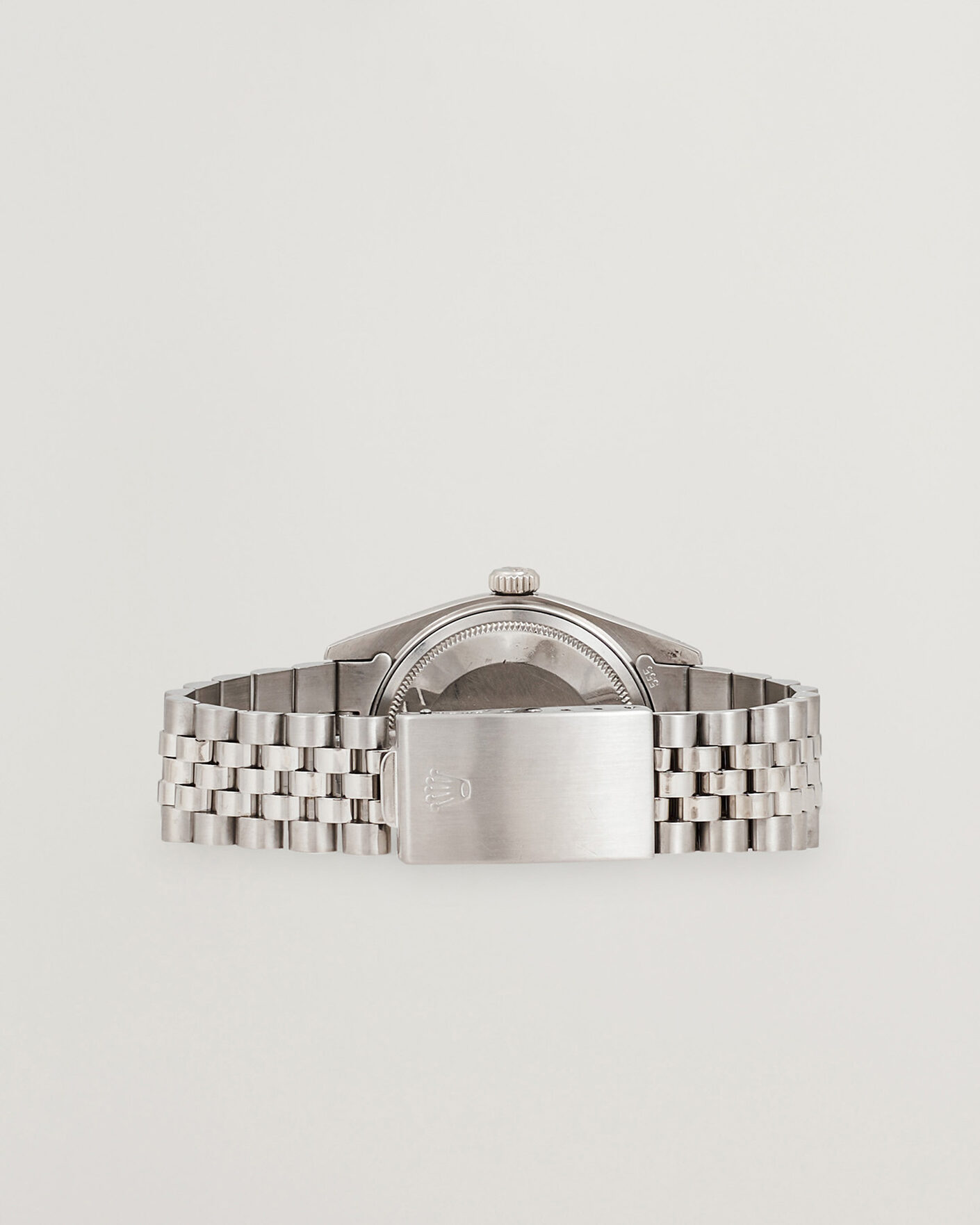
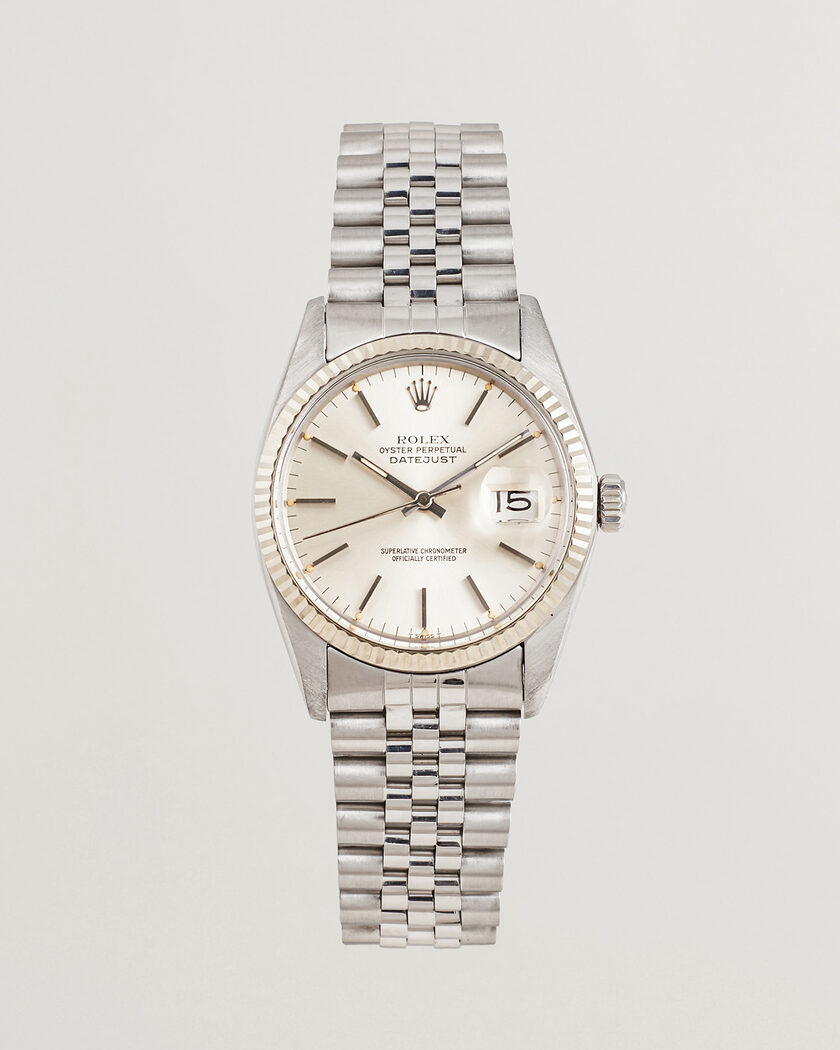
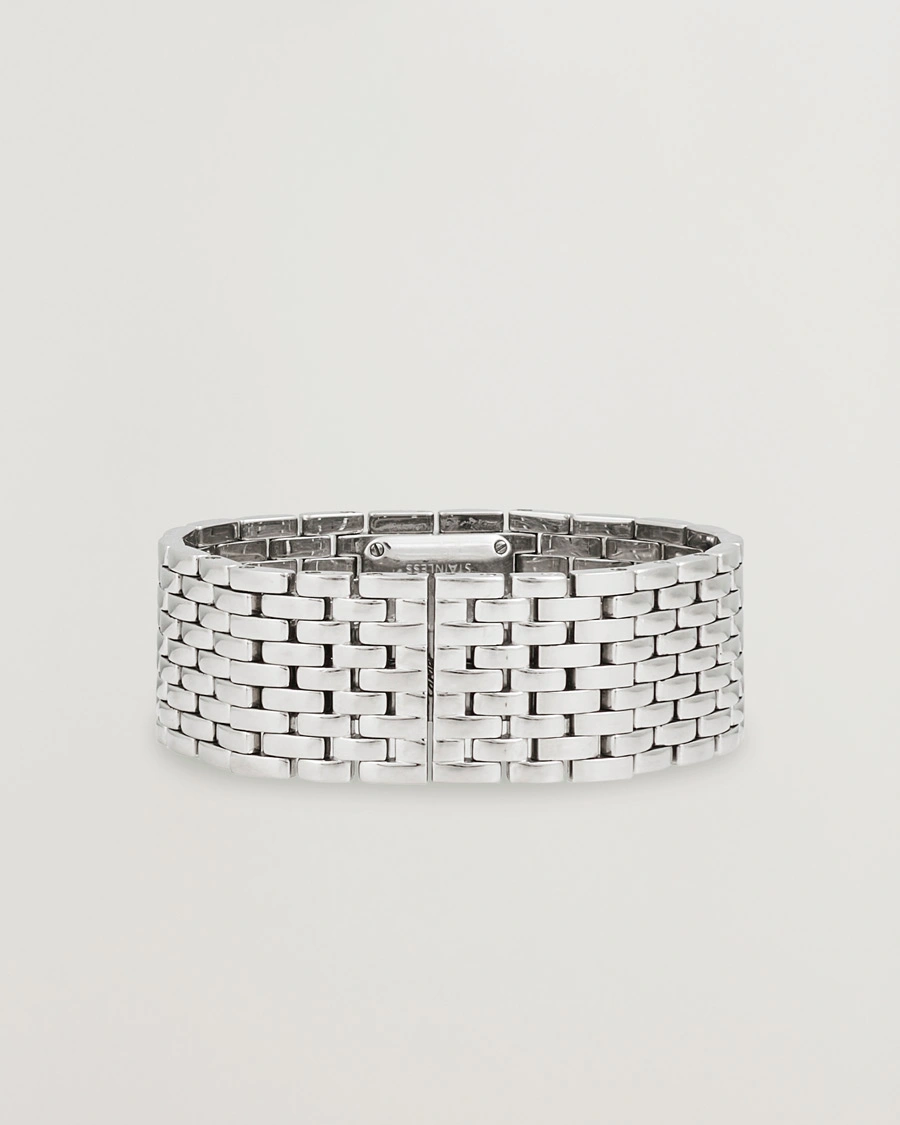
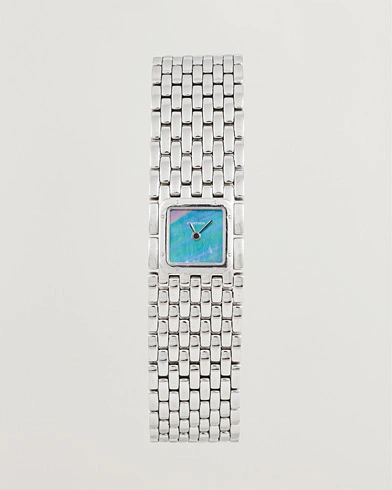
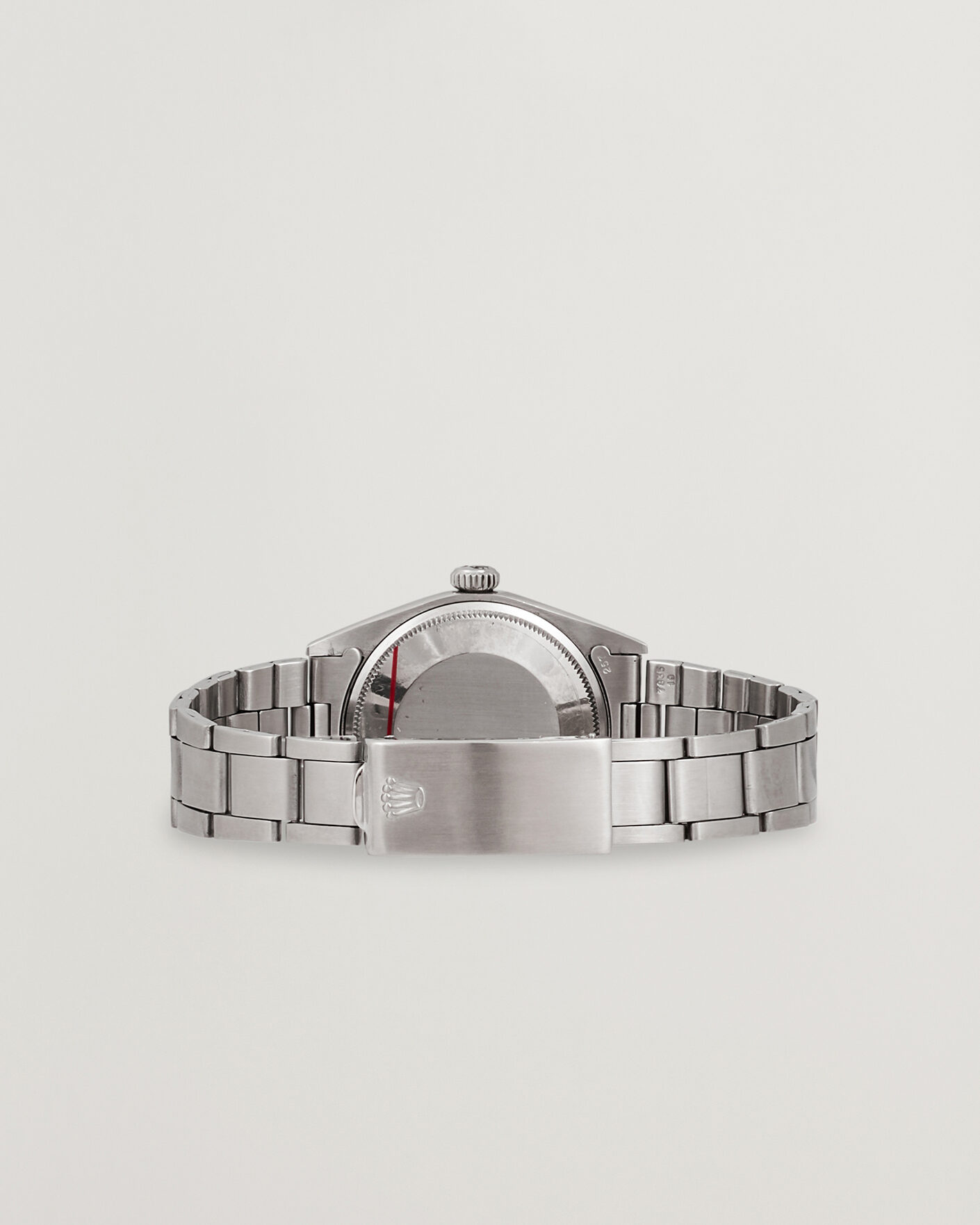
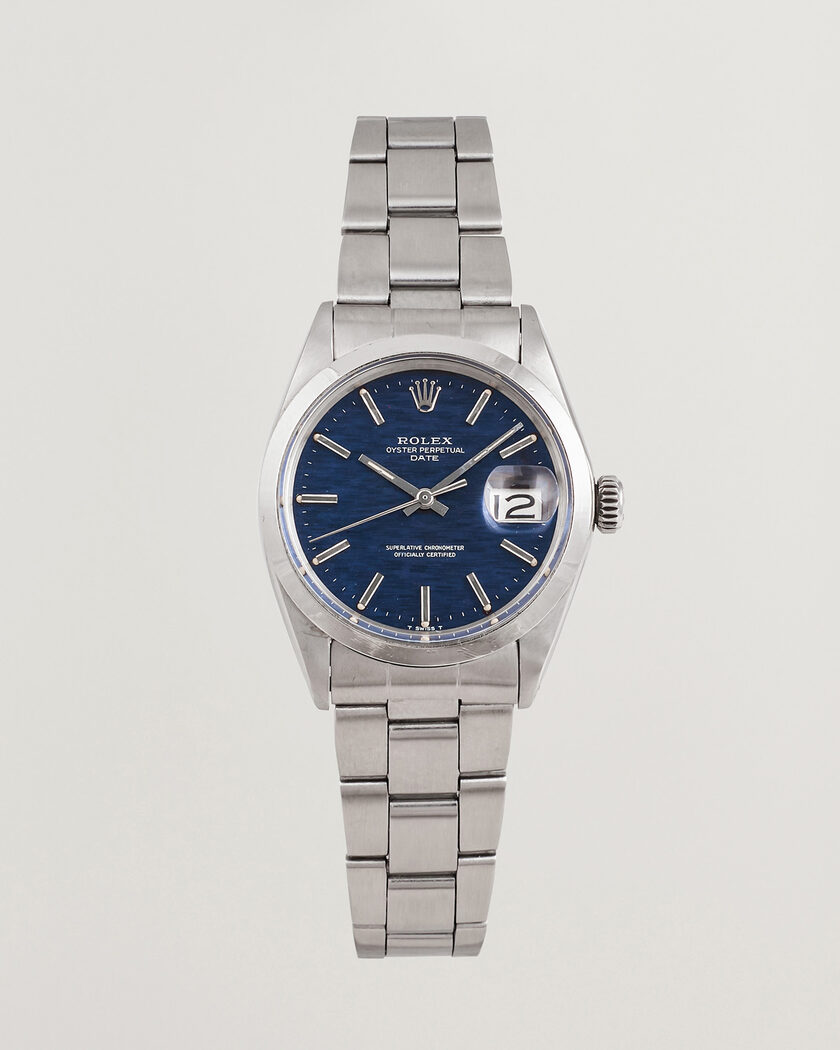
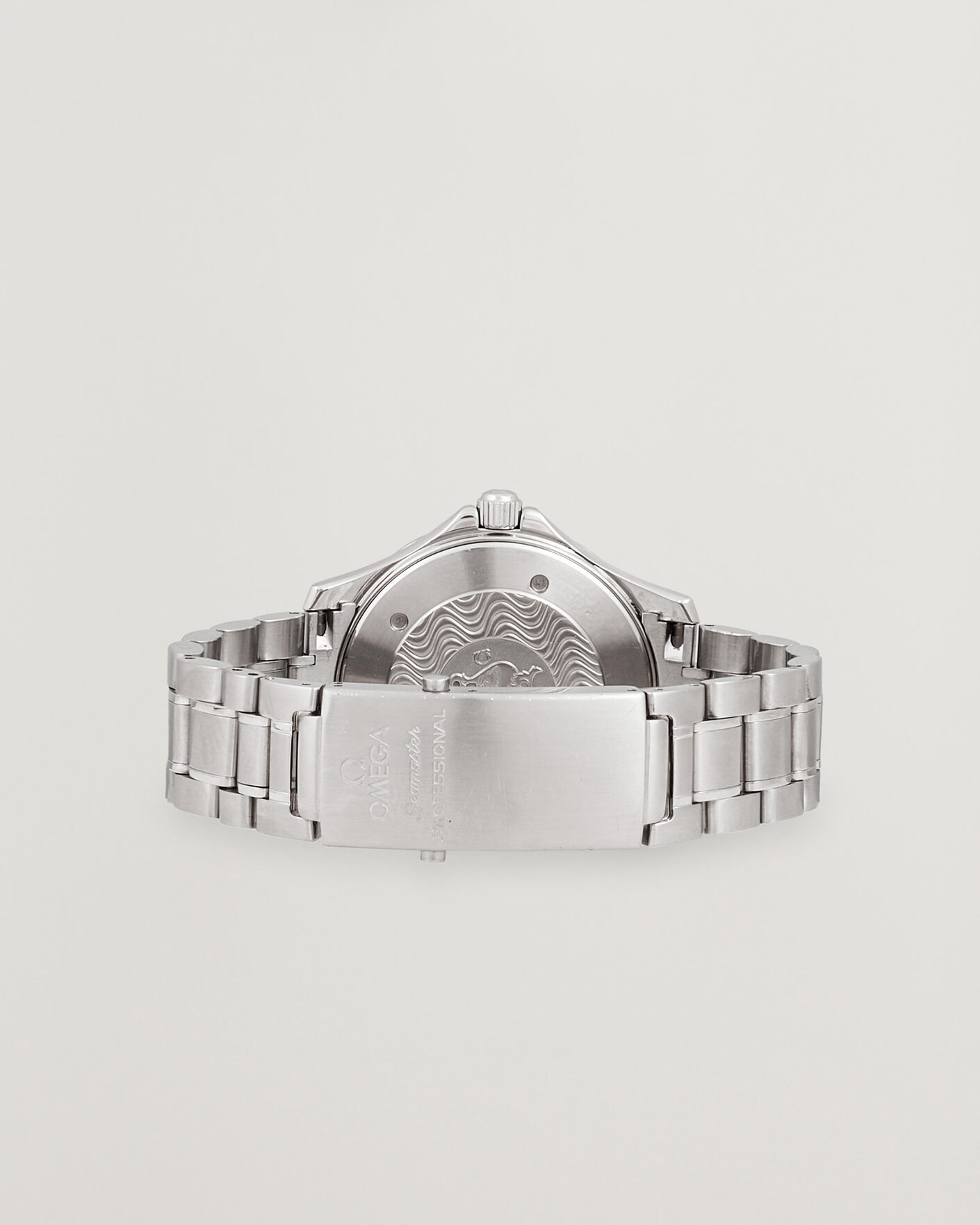
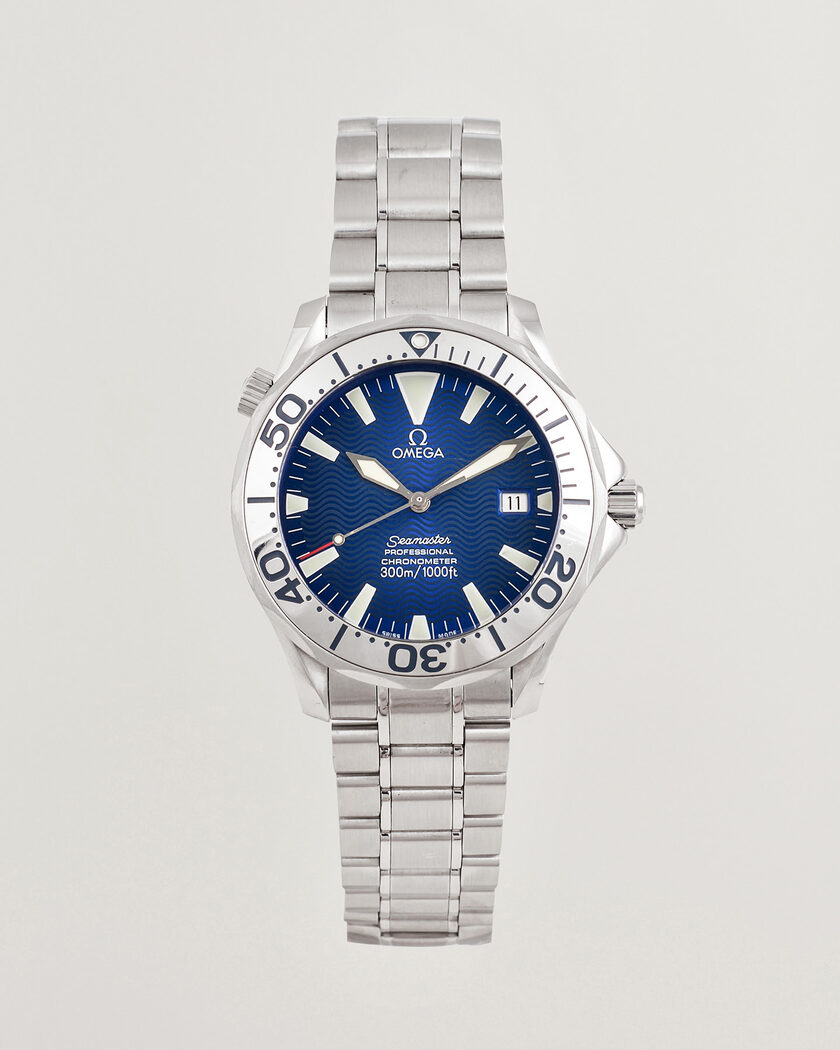
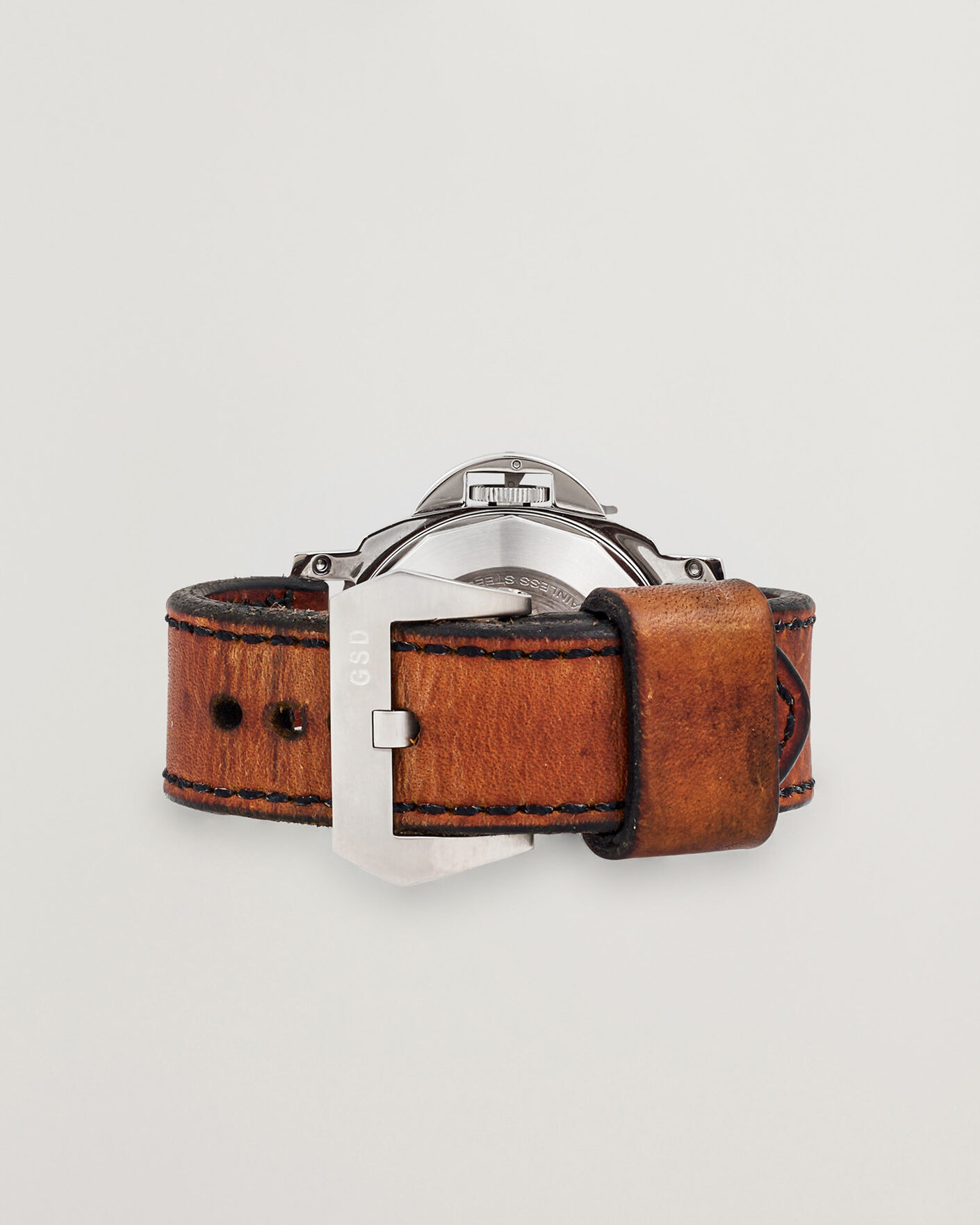
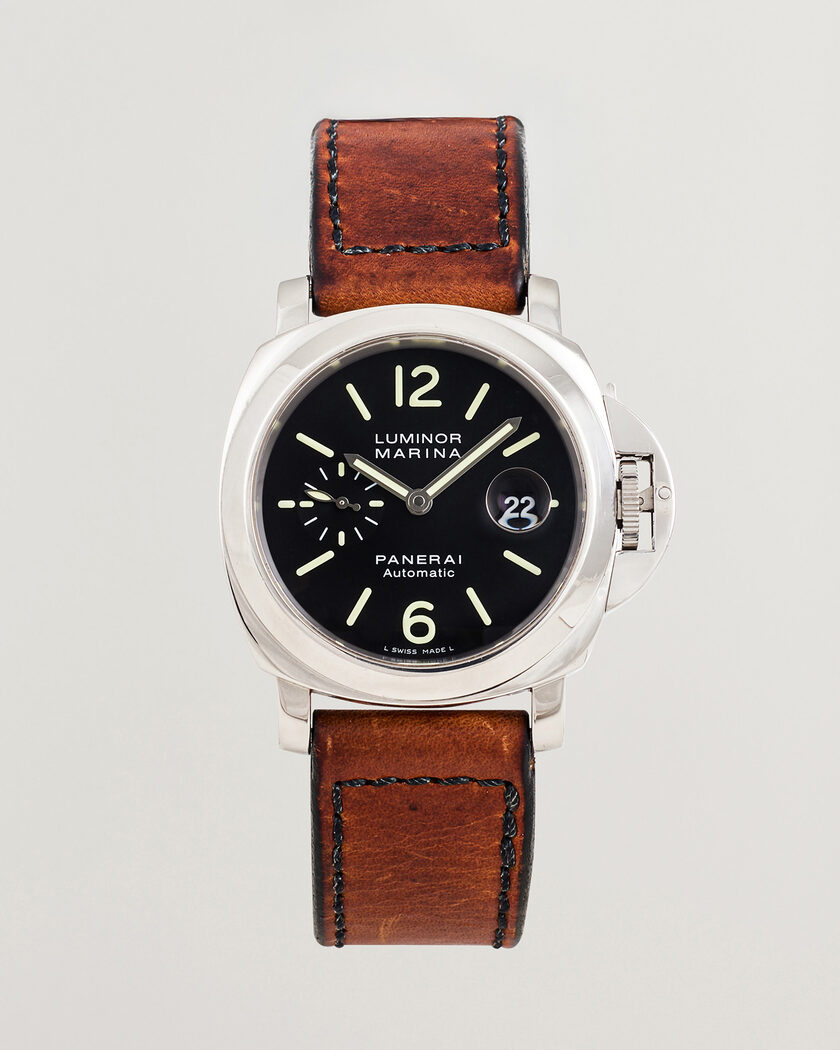
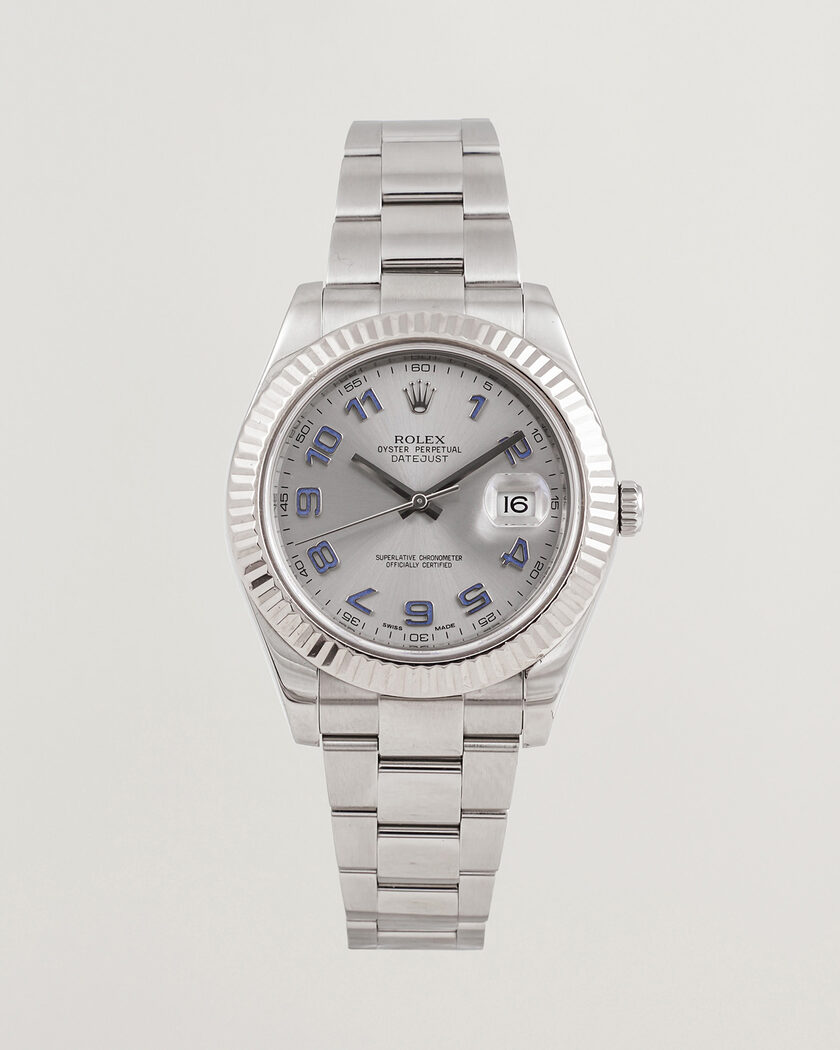
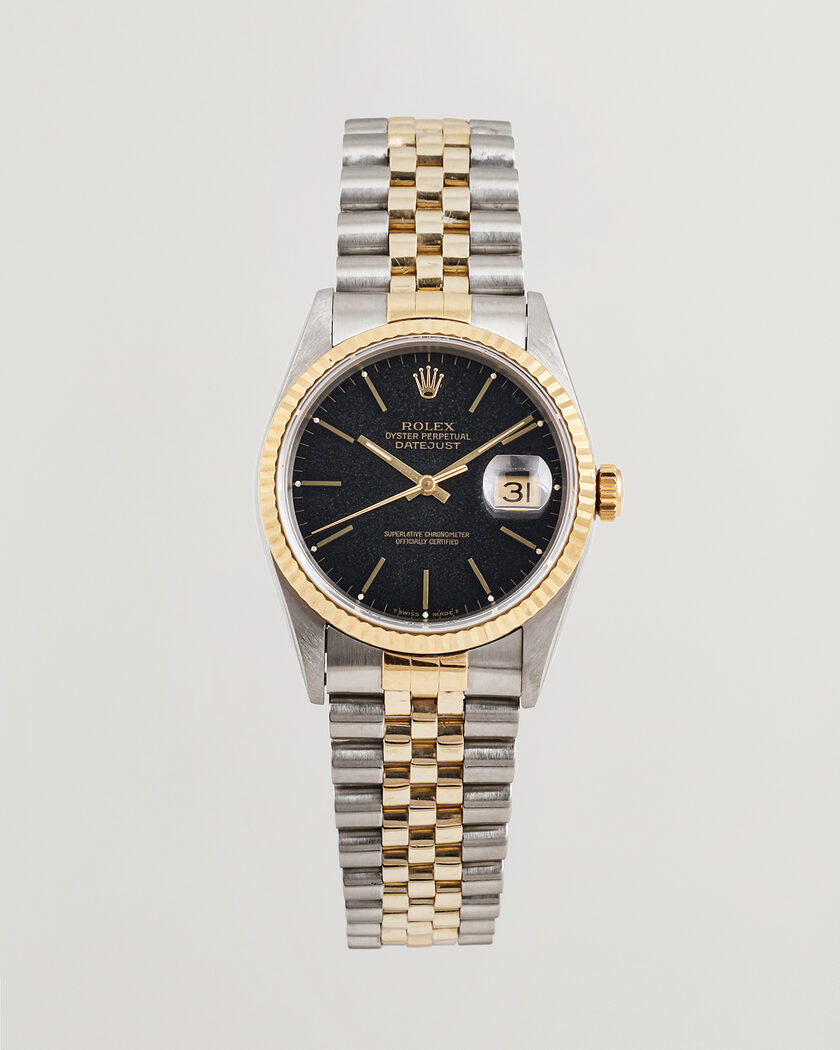
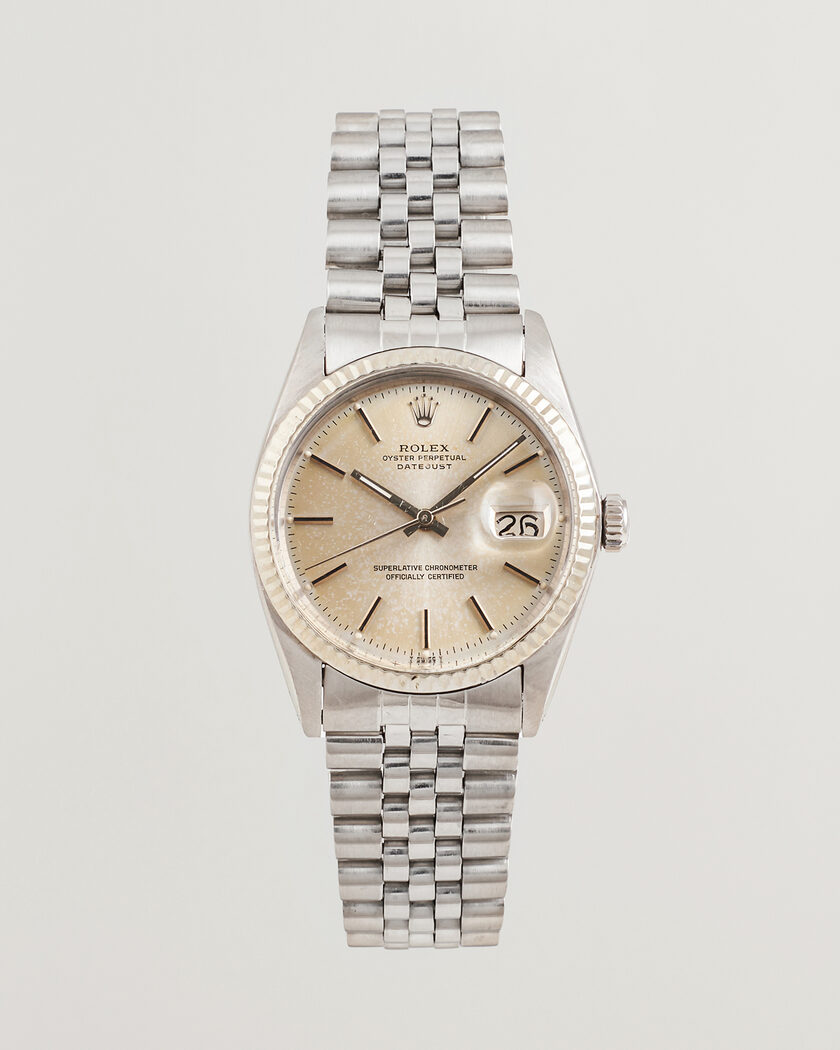
Among them was a Cartier Couteau, a Patek Philippe World Time and several sportier models that suited his active lifestyle. One of the most famous was a Omega Seamaster Ploprof, a massive dive watch originally designed for professional underwater divers.
On Agnelli's wrist – or rather cuff – it became something entirely different. It became a style statement. The way he wore watches conveyed something important: for him, accessories and watches were not about rules or traditions, but about personality.
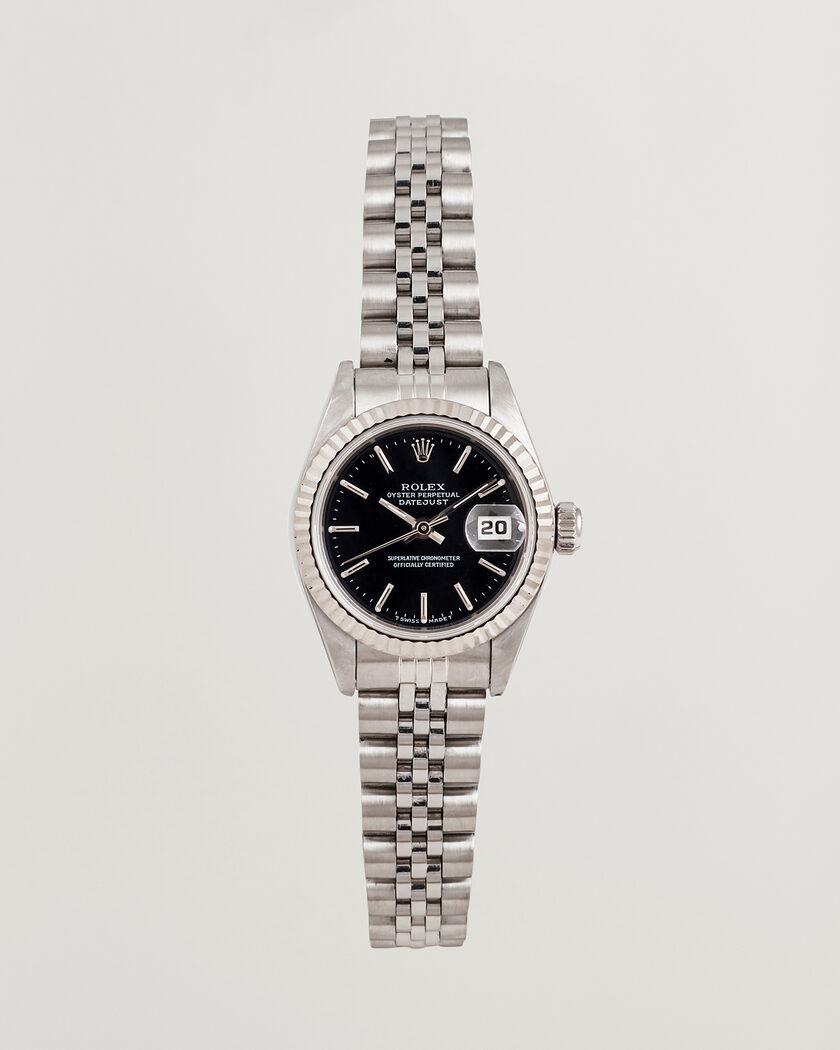
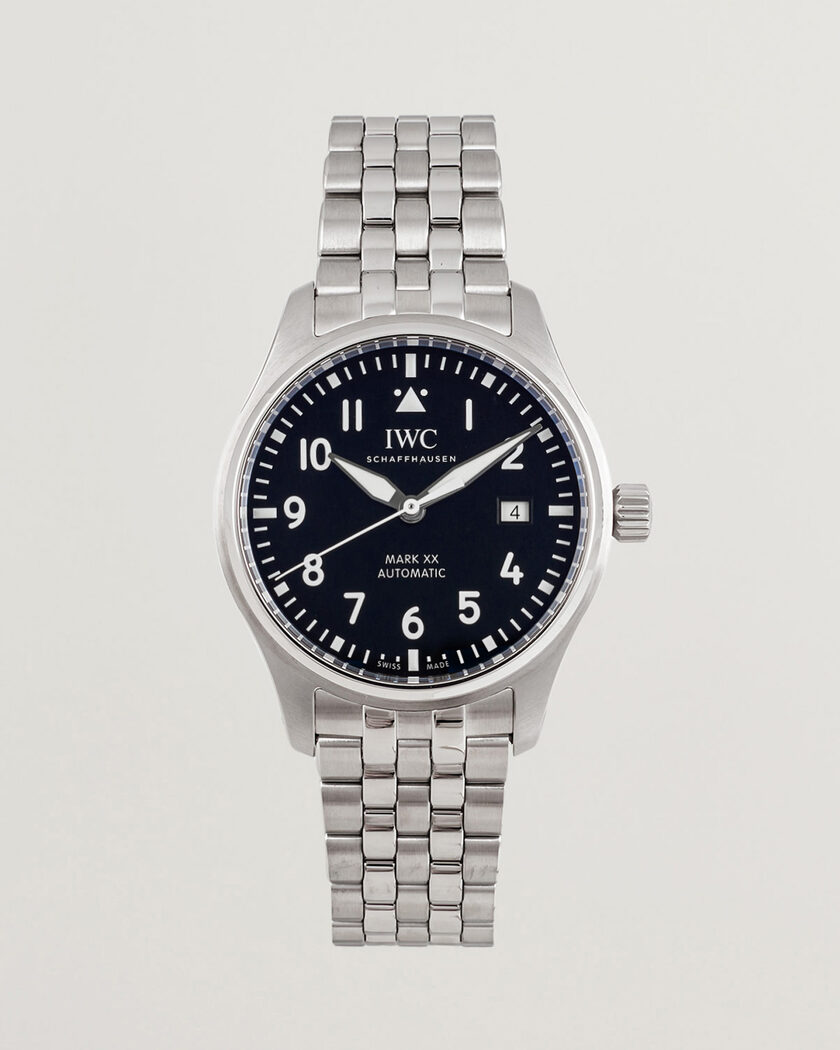
The Paradoxes of Style
The most fascinating thing about Agnelli's style was perhaps how relaxed it felt, even though everything was in practice extremely well thought out.
He could wear a military jacket over a suit.
A watch over the shirt cuff.
Or a tie that seemed loosely knotted but sat perfectly.
The result was never excessive. On the contrary, it felt natural – almost nonchalant. It’s the kind of style that is hard to imitate. Because when others try to do the same thing, it often looks like just that: a clumsy attempt.
With Agnelli, it was simply Agnelli.
The Legacy of a Style Break
Today, more than two decades after his death, images of Gianni Agnelli continue to circulate on social media, in style books, and in fashion magazines.
And almost every time, it appears again. The watch worn over the cuff. Few people have managed to transform such a simple style break into such a lasting visual signature. But perhaps that is precisely why Agnelli still fascinates. He demonstrated that true style rarely involves following rules. It’s about knowing when to break them.
Related reading
-
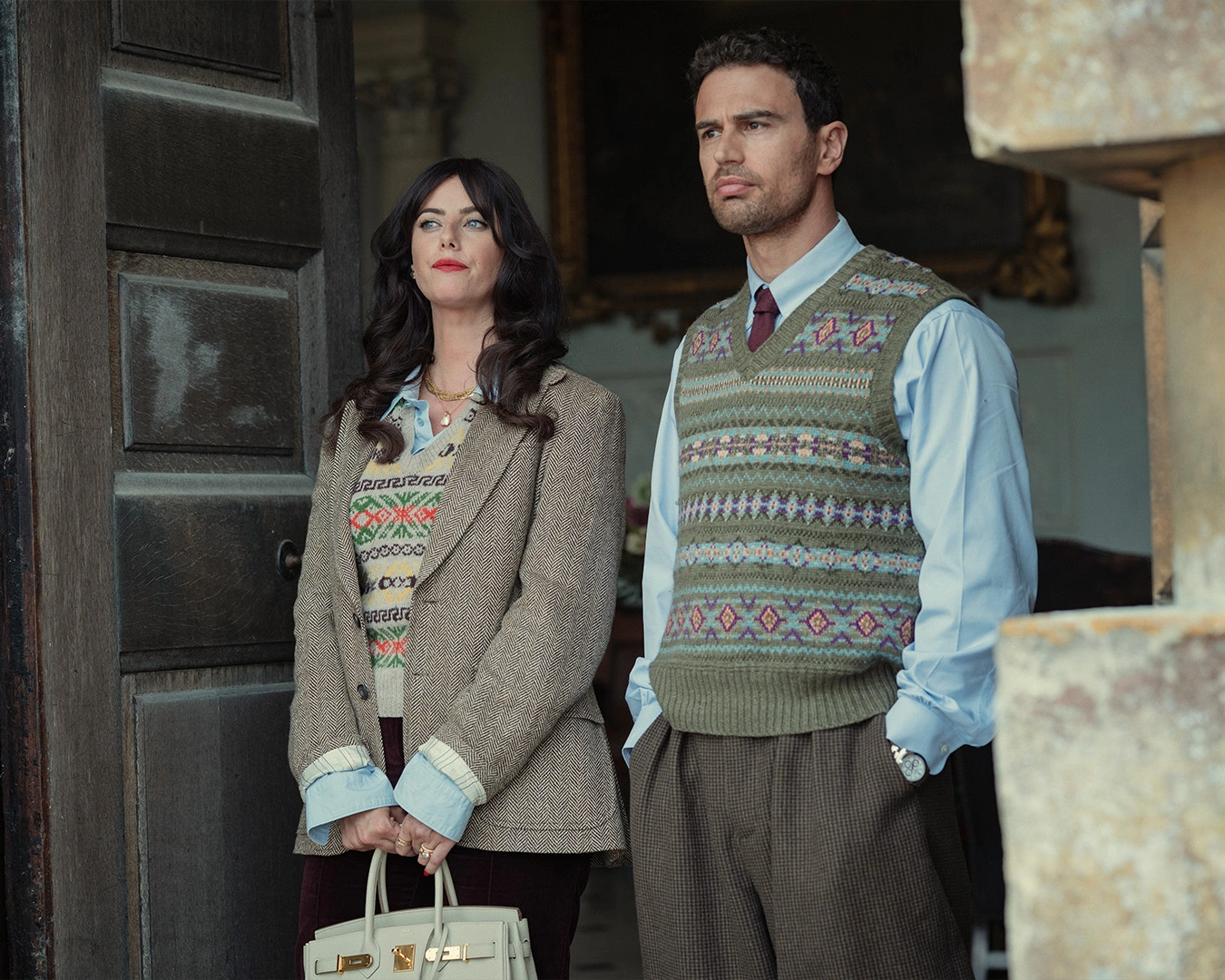
The style and watches of The Gentlemen season 2
-

The Watches in The Gentlemen (and What They Say About The Characters)
-
The Watches in Succession (and What They Say About the Characters)
-
Watches on the Big Screen: Ryan Gosling Special
-
Three unique Pre-Owned & vintage watches – and the autumn look to go with them
-
Five French Style Icons to Get Inspired By