1 item added to cart






Four Ways Men Shop and What It Says About Them
Some people buy clothes in minutes. Others think about it for weeks. The way we shop often says more about our personality than most people would care to admit. Clothes are rarely just clothes. In this post, we take a look at a few common shopping personalities.
Photo: Patrik Hagborg
Text: Camilla Åsedal
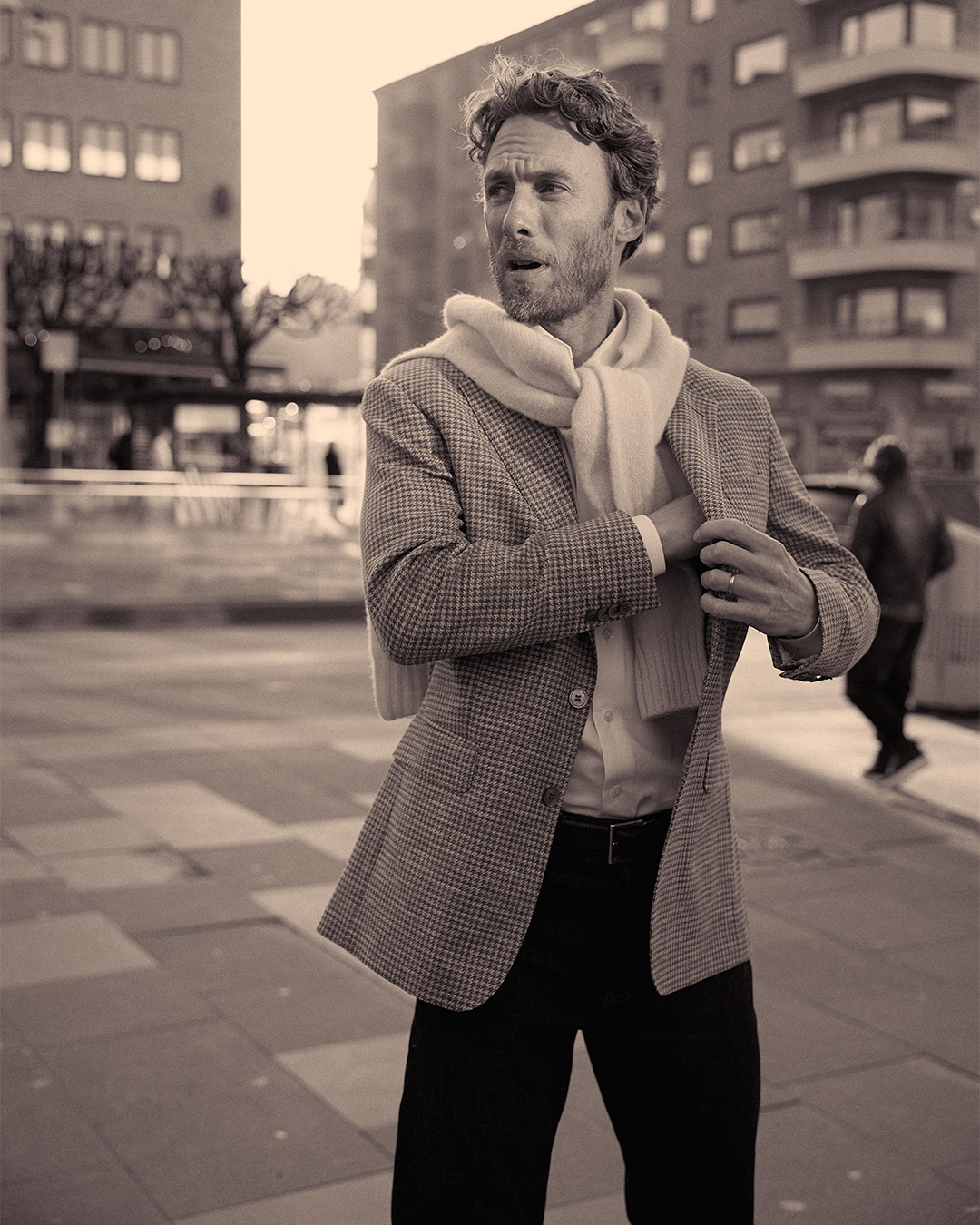
Broadly speaking, there are two kinds of people in the world: those who impulse-buy a jacket during their lunch break because “it just felt right”, and those who open seventeen browser tabs, compare fabric compositions, read obscure forum threads about shoulder construction, and still wait three weeks, or even months, before making a decision.
Which type of buyer are you?
The Impulse Buyer

This person shops as if every purchase were a moment that must be captured before it slips away. They see something, like something, buy something. No thoughts about how the garment will feel in five years. Possibly not even how it will feel on the body.
The wardrobe often becomes exciting, unpredictable, and occasionally a little chaotic. Here, instinct, novelty, and trends spotted on social media or people in the street are in charge.
Sometimes it works brilliantly. Other times, a neon-coloured trend piece ends up buried in the back of the wardrobe as an expensive reminder of the value of long-term thinking.
The Emotional Buyer
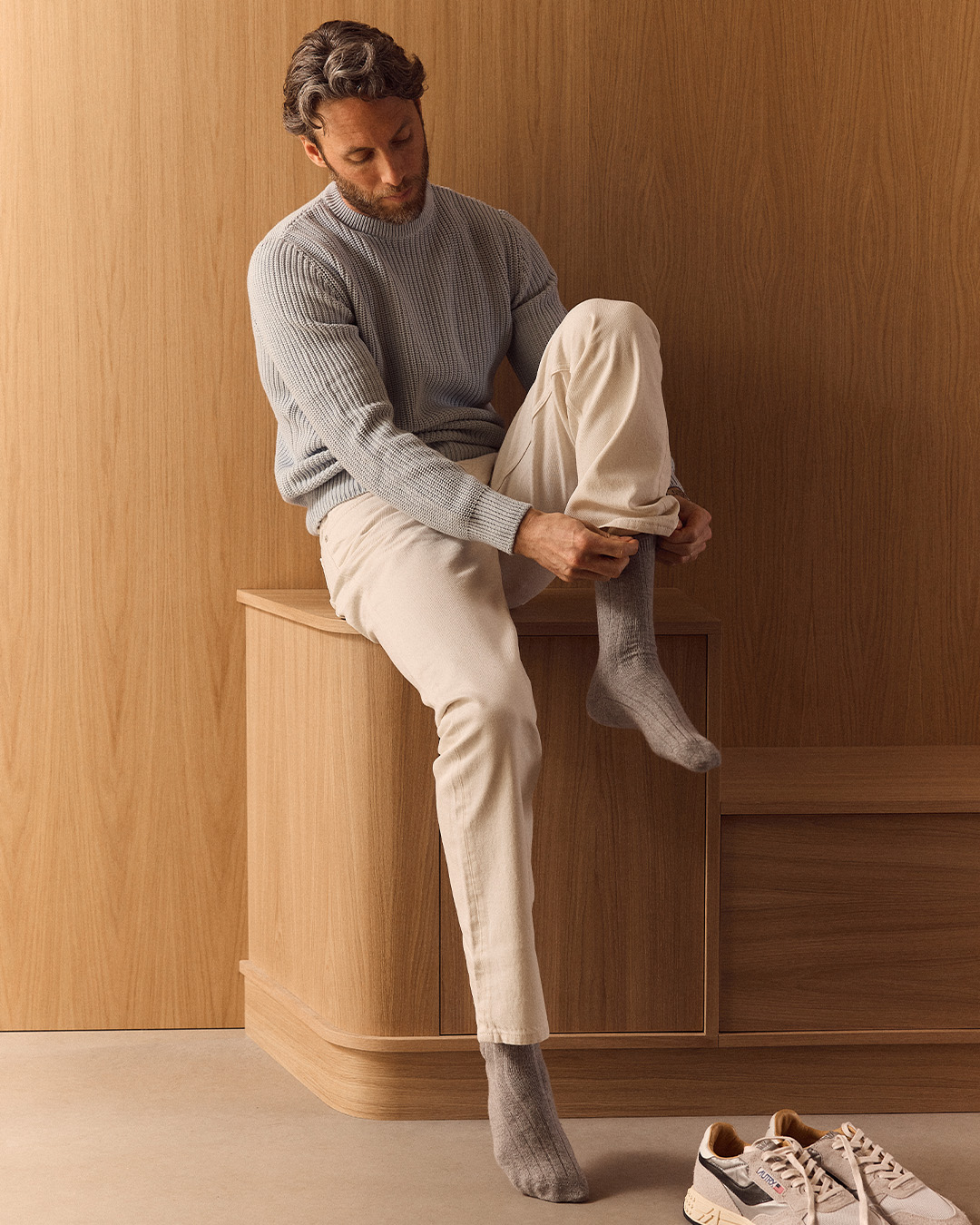
Bad day? Buy shoes. Promotion at work? Treat yourself to a new pair of running shoes. Tuesday? Probably running shoes again.
This personality type tends to shop for dopamine first and practical function second, which is entirely understandable in a life where rewards can sometimes feel well deserved.
The challenge begins when short-term gratification takes up more space than long-term satisfaction. Remember: Five mediocre impulse purchases rarely deliver the same feeling as one truly well-considered buy.
The Strategist
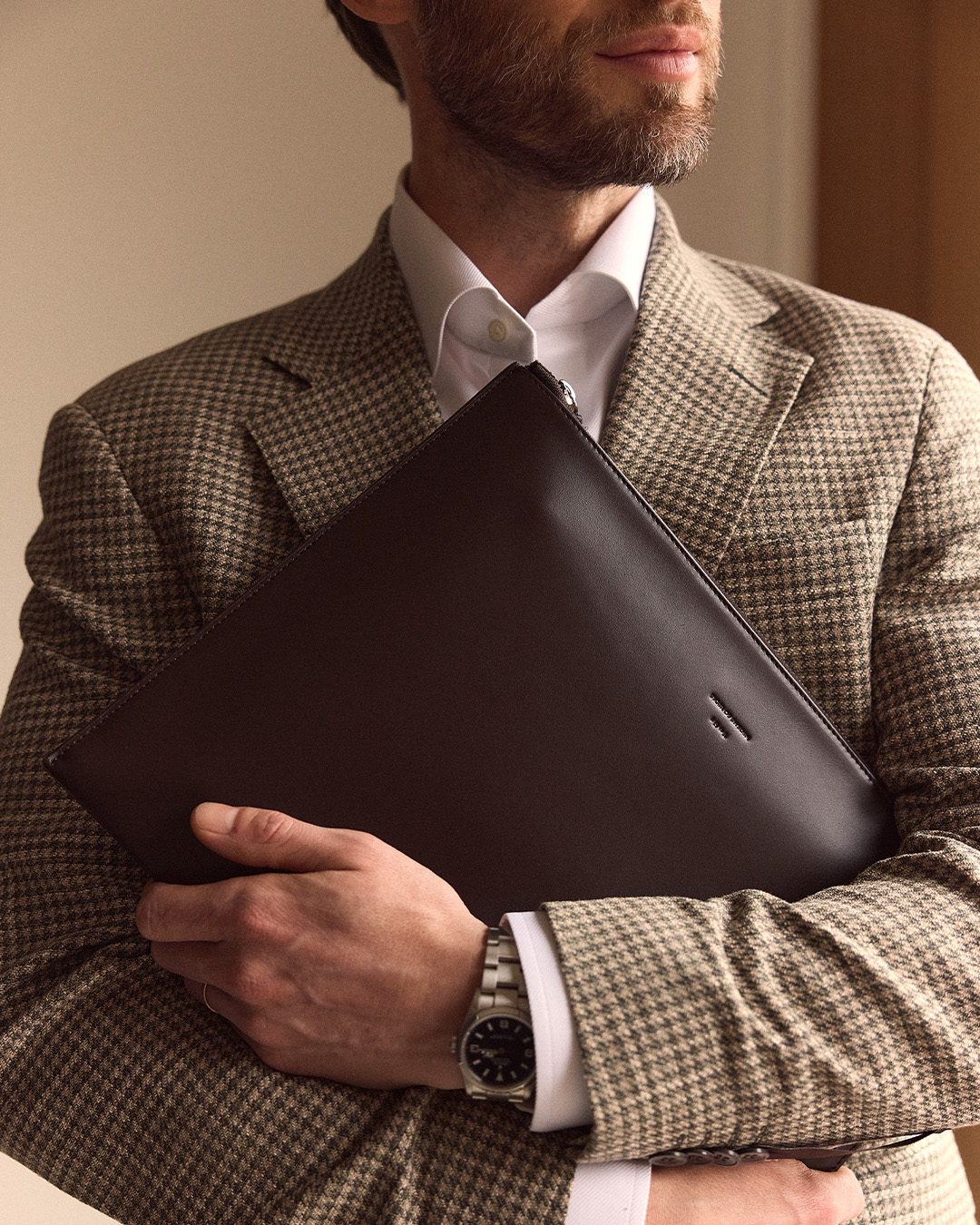
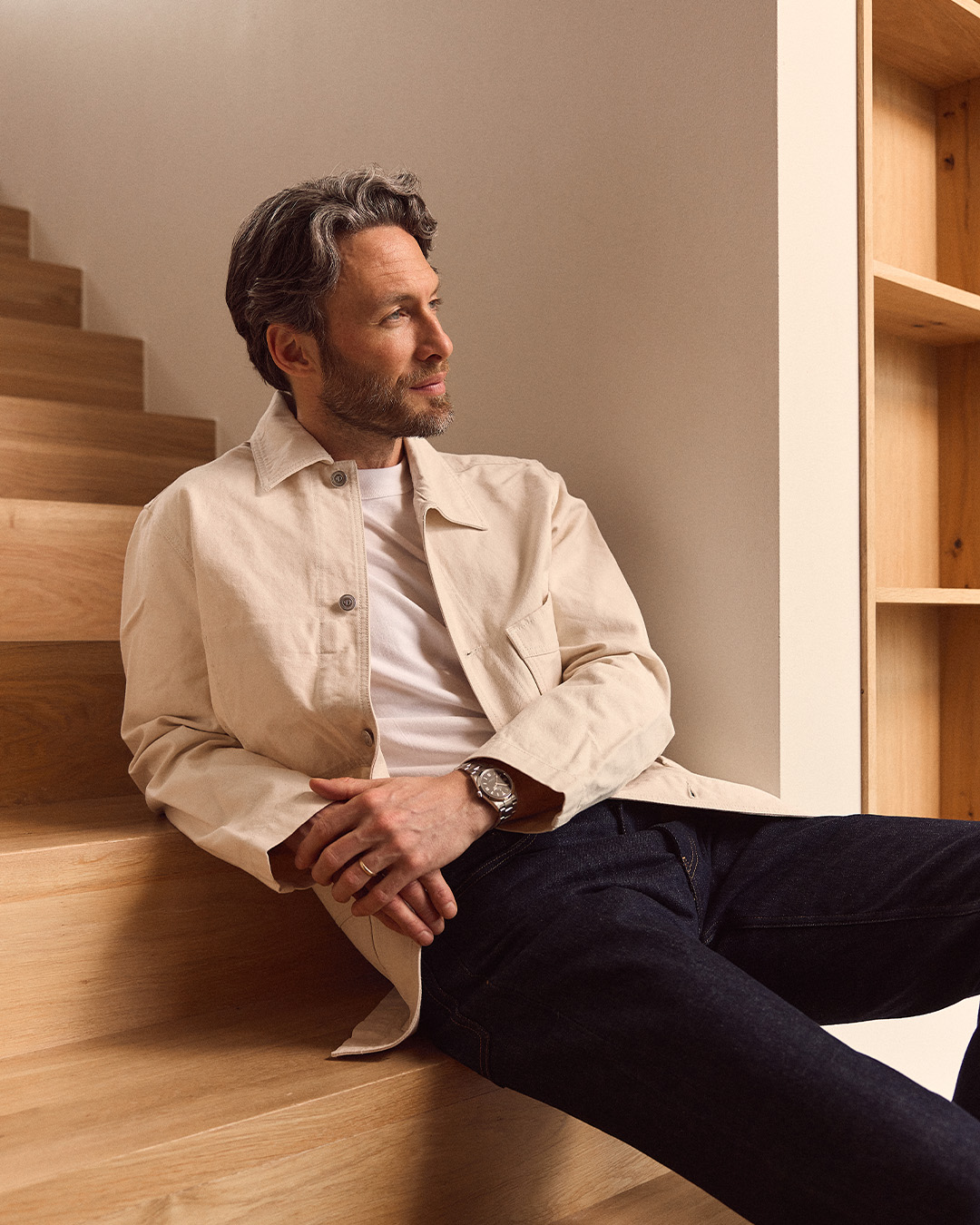
A calmer species. Possibly slightly over-caffeinated and data-driven, but methodical.
The strategist compares prices, analyses details, waits for the right fit, and asks questions in forums that hardly raise anyone’s pulse, such as: “Will the cost per wear justify this purchase?”
Thanks to his spreadsheets, he understands something important: quality often becomes the smarter investment when the cost is spread out over time. A well-made coat worn for ten years usually costs less, financially and emotionally, than five mediocre replacements.
His clothing purchases resemble less of a shopping trip and more of a carefully structured procurement process run by a municipality with an unusually generous budget.
Yet something important is missing. He risks losing that spark of instinct, taste, and personality once everything ends up reduced to spreadsheet columns and the process becomes more important than the garment itself. Or the search becomes so time-consuming that the decision feels overwhelming and never happens at all, leaving the wardrobe exactly as it was.
The Conscious Quality Buyer
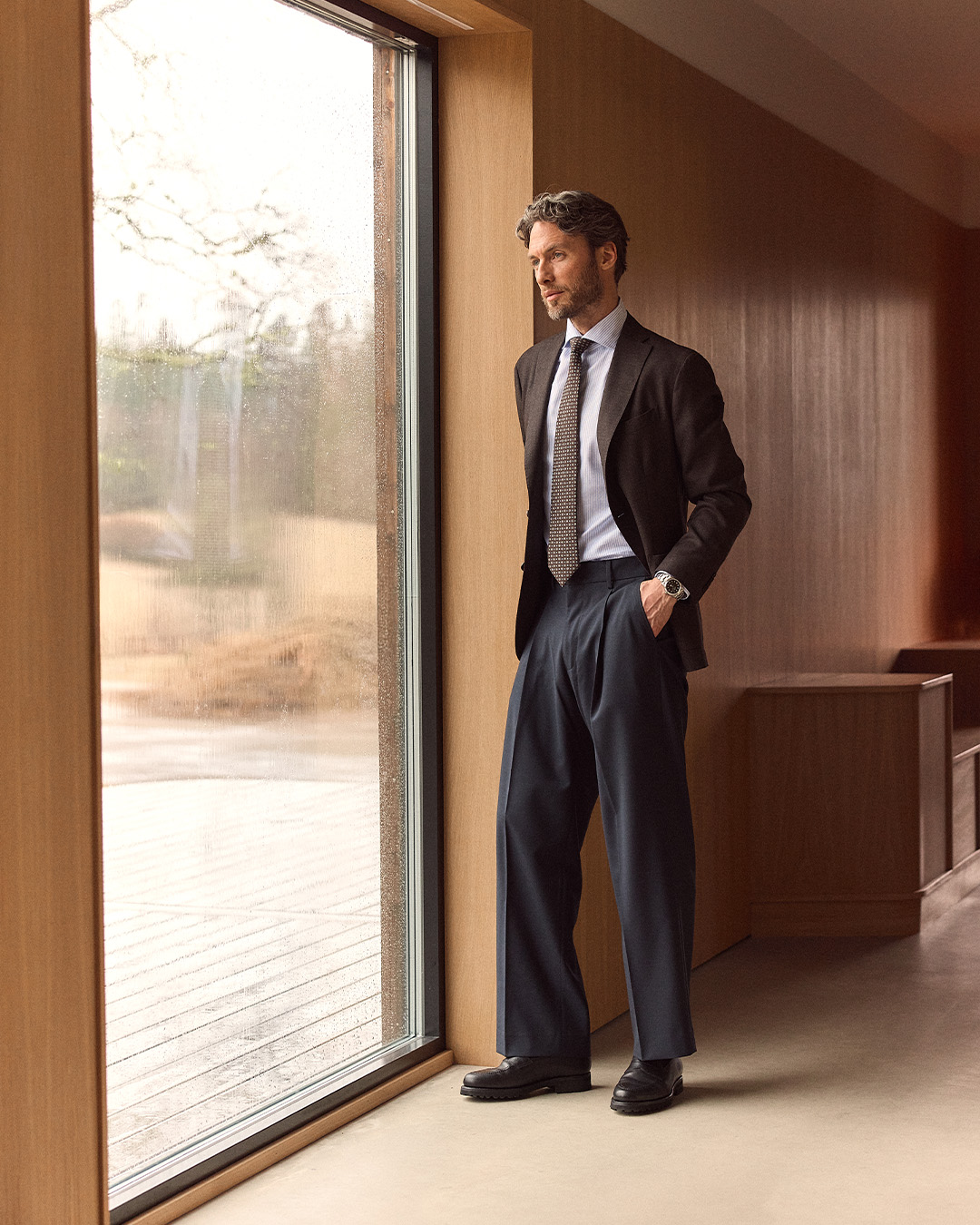
Then there is the conscious quality buyer, or what we would preferably define as the Care of Carl customer. The man who rarely buys the most, but often buys the best.
This is the buyer who does his research, reads up on construction, origin, materials, and brand history, and invests in Goodyear-welted shoes, a well-cut blazer, or a finely knitted sweater in the right fibre with the same level of care others reserve for major life decisions.
Fewer garments are allowed into the wardrobe, but every choice is carefully considered. The focus lies on timeless design, quality, and investments that will stand the test of time, always rooted in his personal style.
For this person, style is less about consumption and more about curation. Good shoes, reliable essentials, and well-made outerwear become long-term building blocks in a wardrobe that ages with dignity.
The result may involve less drama in the moment, but far more character, consistency, and awareness over time. Because style is rarely about who can buy the most or spend the most, but about making thoughtful, long-term quality choices.
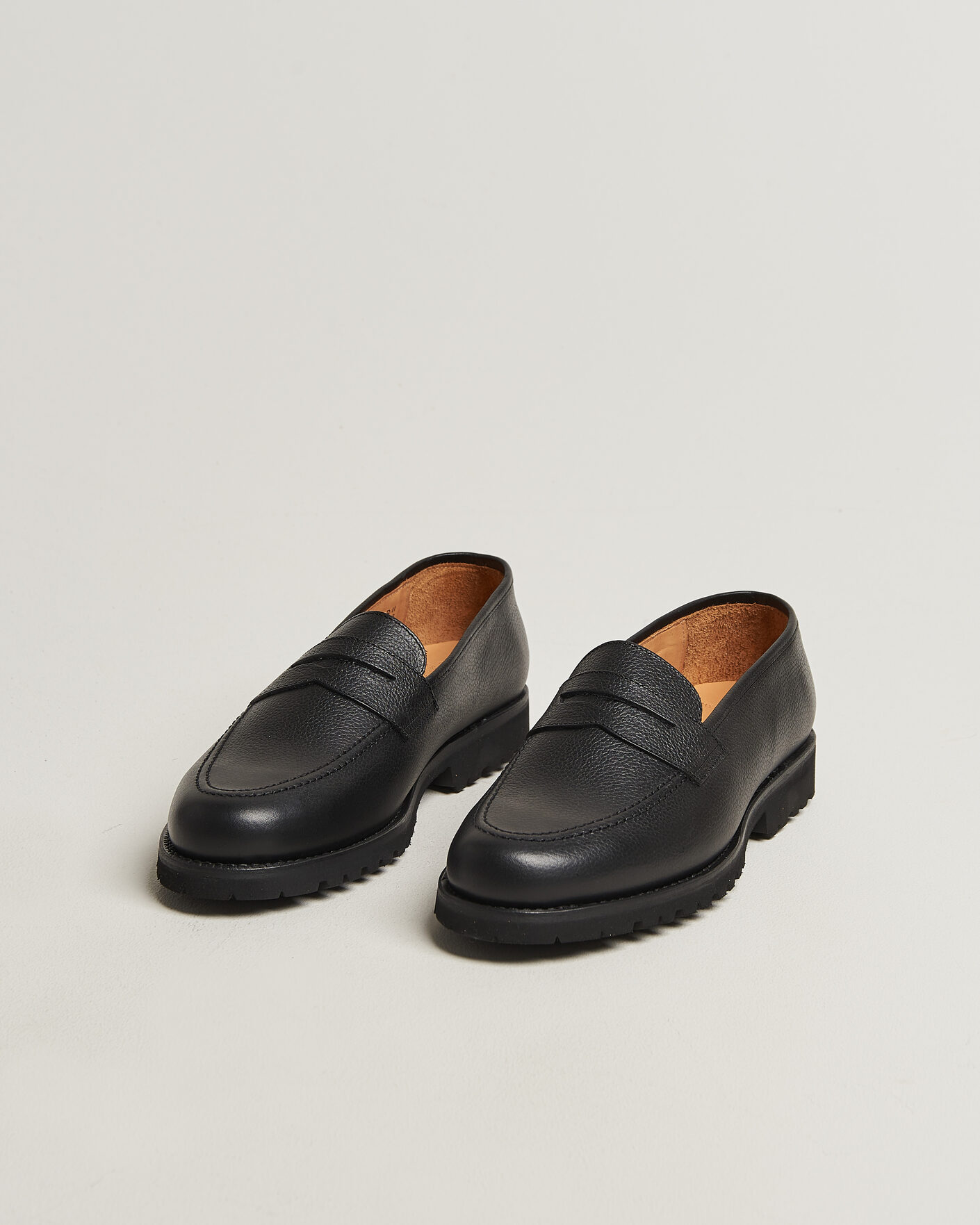
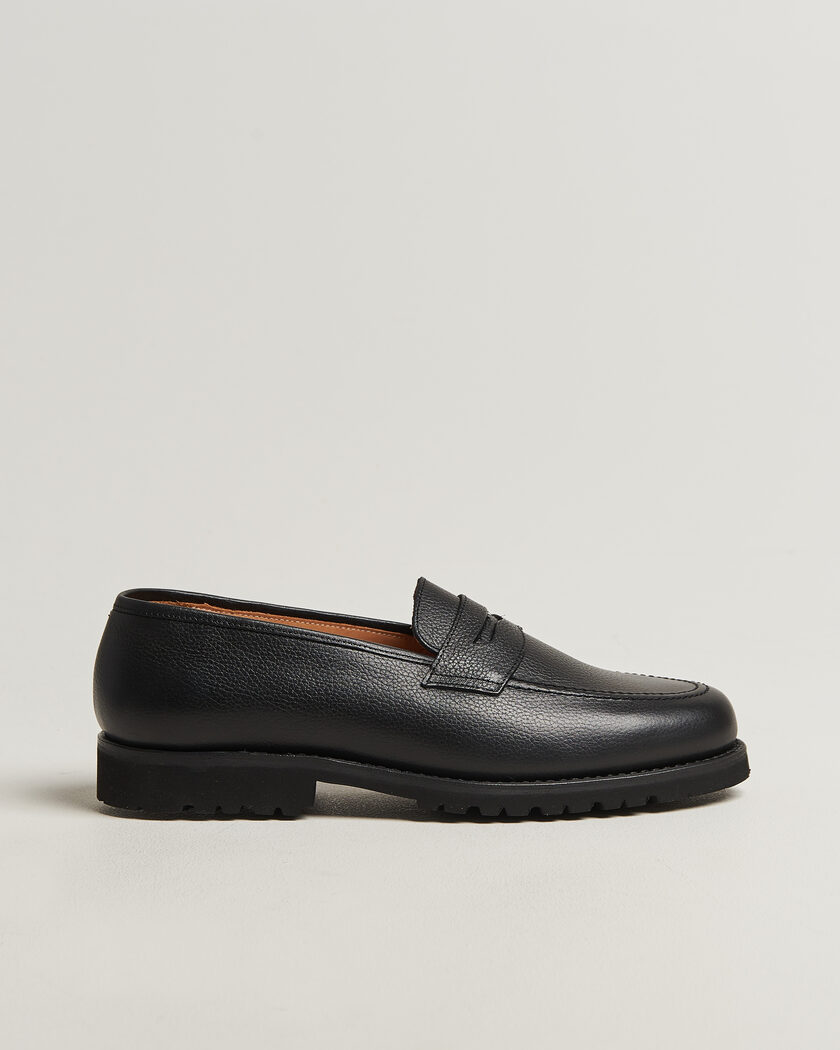
Myrqvist for Care of CarlMyrqvist Stenhammar II Vibram Loafer Black Grained Calf
Many sizes available
320€